How to Build a Bookshelf Wall: Step-by-Step Guide for Home

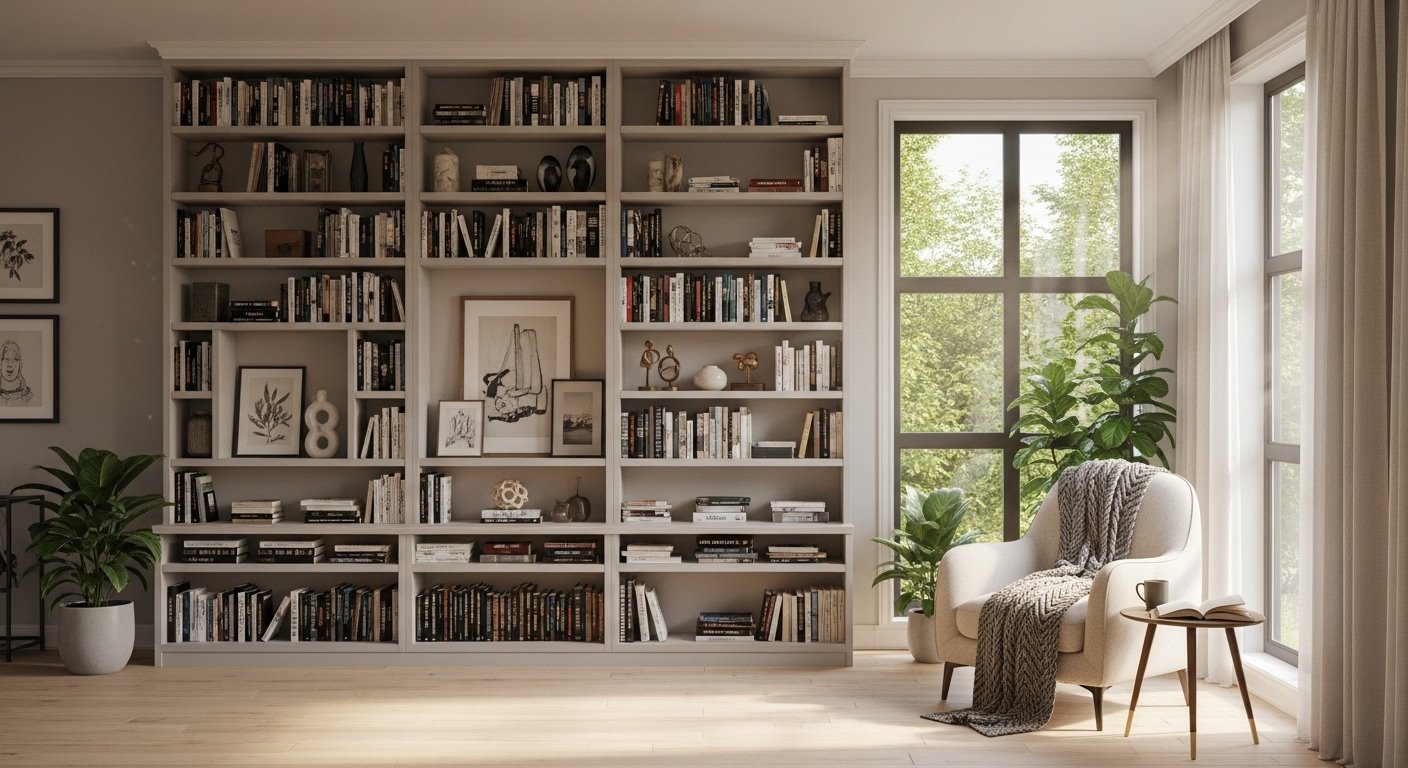
Creating a bookshelf wall is one of the most impactful ways to elevate your home decor. Not only does it provide functional storage, but it also acts as a focal point that showcases your personality through books, art, and decorative objects.
Whether you’re a DIY enthusiast or looking to hire a professional, this guide will walk you through everything you need to know to build a stunning bookshelf wall. It covers planning, materials, installation, styling, and maintenance so you can create a beautiful and functional feature in your home.
Why a Bookshelf Wall is Worth It
Bookshelves have evolved beyond simple storage solutions. A bookshelf wall can:
- Maximize space: Perfect for small apartments or large living rooms, a bookshelf wall uses vertical space efficiently.
- Enhance aesthetics: Custom-built shelves can turn a plain wall into an elegant design statement.
- Showcase personality: Display your favorite books, plants, or personal collectibles.
- Increase home value: Well-built custom shelving can make a home feel luxurious and thoughtfully designed.
Before diving into the process, it’s important to consider both the practical and stylistic elements.
Step 1: Plan Your Bookshelf Wall
Planning is the foundation of any successful project. Start with these key considerations:
Measure Your Space
Use a tape measure to record the height, width, and depth of the wall where you plan to install your bookshelf. Consider:
- Ceiling height: Will your shelves go all the way up?
- Wall width: How many columns of shelves will you need?
- Obstructions: Windows, doors, and electrical outlets may affect placement.
Decide on the Style
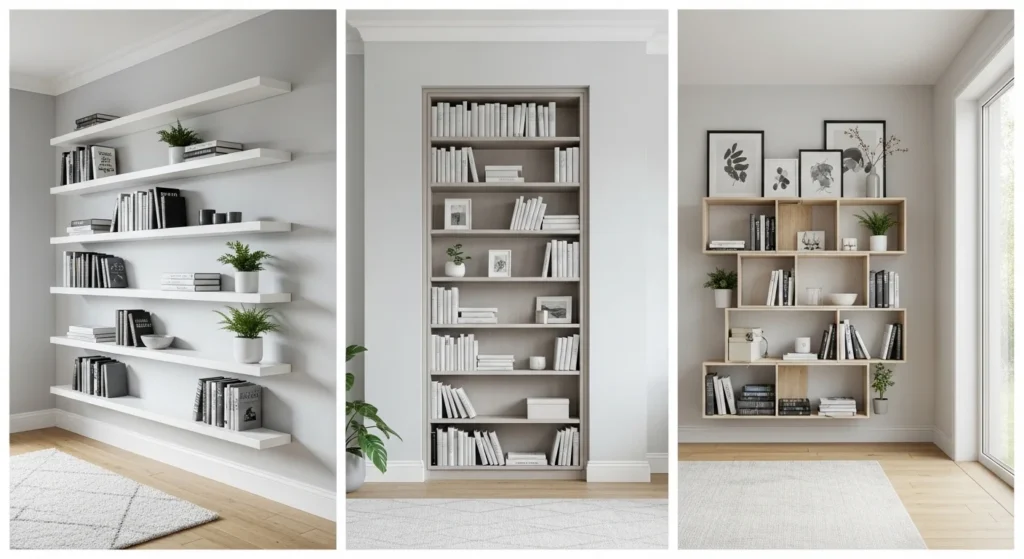
Bookshelf walls come in various styles:
- Built-in: Shelves integrated into the wall for a seamless, custom look.
- Floating: Minimalist shelves anchored directly to the wall without visible supports.
- Modular: Pre-made units that can be combined to form a large wall display.
Select Your Materials
Choose materials that match your home’s aesthetic and durability needs:
- Wood: Solid hardwoods like oak or maple offer durability and elegance.
- Plywood: A cost-effective alternative with a smooth finish for painting or staining.
- Metal: Industrial-style bookshelves combine wood and metal for a modern look.
Consider Load Capacity
Books can be surprisingly heavy. Make sure the shelves can support:
- Weight of books: Plan for at least 30 lbs per linear foot.
- Decor items: Consider plants, frames, and sculptures.
Step 2: Gather Tools and Materials
Here’s a basic list of tools and materials for a DIY bookshelf wall:
Tools:
- Tape measure
- Level
- Stud finder
- Power drill
- Saw (circular or table saw)
- Screwdriver
- Sandpaper
- Paintbrush or roller
Materials:
- Wood planks or panels
- Wall anchors or brackets
- Screws
- Wood glue
- Paint or stain
- Optional: molding or trim
Having all your tools ready before you start ensures the project flows smoothly.
Step 3: Prepare the Wall
Before installing the shelves, prep your wall carefully:
- Find the studs: Use a stud finder to locate studs for secure anchoring. Mark them lightly with a pencil.
- Clean and repair: Fill any holes or cracks and ensure the wall surface is smooth.
- Paint or prime: If your shelves will be attached to a painted wall, a fresh coat of paint or primer prevents damage and ensures a clean finish.
Step 4: Install the Base and Supports
The foundation of your bookshelf wall is the base shelf or bottom support.
- Mark positions: Use a level to mark where the bottom shelf will sit.
- Attach brackets: Secure brackets or cleats to the wall studs for stability.
- Install the base shelf: Place the bottom plank and check with a level before tightening screws.
For taller walls, vertical supports are essential:
- Use 2x4s or metal brackets: Attach them to the studs vertically.
- Ensure spacing: Keep shelf spacing consistent to maintain symmetry.
Step 5: Install Shelves
Now the fun part—adding shelves!
- Measure and cut: Ensure each shelf matches your planned width.
- Dry fit: Place each shelf without screws to check alignment.
- Attach shelves: Secure each shelf to the vertical supports or wall brackets.
- Level and adjust: Double-check that each shelf is level before final fastening.
Tips for a Professional Finish
- Use wood filler to hide screw holes.
- Sand edges for a smooth, clean look.
- Consider adding trim or molding for a polished appearance.
Step 6: Paint or Stain the Shelves
The finish can make or break your bookshelf wall. Choose a color or stain that complements your room:
- Neutral tones: White, gray, or beige for a clean, modern look.
- Bold colors: Deep blues, greens, or black create a striking contrast.
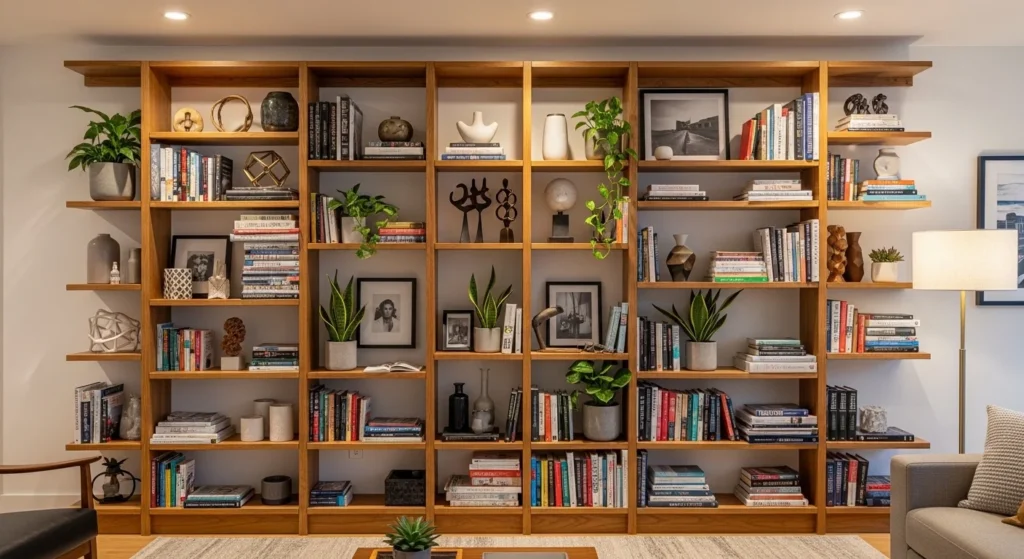
- Natural wood: Highlight the wood grain with a clear varnish or oil finish.
Apply two coats for durability, sanding lightly between coats for a smooth surface.
Step 7: Decorate Your Bookshelf Wall
A bookshelf wall is more than just shelves—it’s a canvas for creativity. Consider these styling tips:
- Books: Arrange by color, size, or subject. Mix horizontal and vertical stacks.
- Decor items: Use plants, vases, sculptures, or framed photos.
- Balance: Avoid overcrowding. Leave negative space for visual breathing room.
- Lighting: Add LED strips or wall-mounted lamps to highlight your collection.

Step 8: Maintain Your Bookshelf Wall
Proper care ensures your bookshelf wall remains functional and beautiful:
- Dust regularly: Use a microfiber cloth to prevent dust buildup.
- Check stability: Inspect brackets and supports periodically.
- Avoid moisture: Keep away from damp areas to prevent warping.
- Rotate decor: Refresh items seasonally to keep the display interesting.
Expert Advice and Common Mistakes
Building a bookshelf wall can be challenging, but following expert tips can save you time and money:
- Always anchor to studs: Drywall alone cannot support heavy books.
- Plan for expansion: Wood can expand or contract with humidity, so leave a small gap at walls.
- Measure twice, cut once: Mistakes in cutting can be costly and time-consuming.
- Mix materials carefully: Avoid combining heavy items on weak shelves.
Mistakes to Avoid
- Overcrowding shelves with books and decor.
- Skipping the leveling step, which can ruin symmetry.
- Using insufficient fasteners or cheap brackets.
When to Hire a Professional
While a DIY bookshelf wall is rewarding, some projects are better left to experts:
- Complex built-ins: Full-wall units with intricate molding may require carpentry skills.
- Heavy or oversized shelves: If you plan to store hundreds of books or large art pieces.
- Uneven walls: Professionals can account for minor wall imperfections.
Hiring a professional ensures safety, durability, and a polished finish.
Final Thoughts
A bookshelf wall is more than storage—it’s a design statement that reflects your taste and lifestyle. With careful planning, quality materials, and attention to detail, you can transform an ordinary wall into a striking focal point in your home. Whether you choose a minimalist floating design or a grand built-in, the result is a combination of function and style that will enhance your living space for years to come.
By following this step-by-step guide, you not only save time and money but also gain the satisfaction of creating something truly personalized. So grab your tools, choose your favorite wood, and start building a bookshelf wall that is uniquely yours.