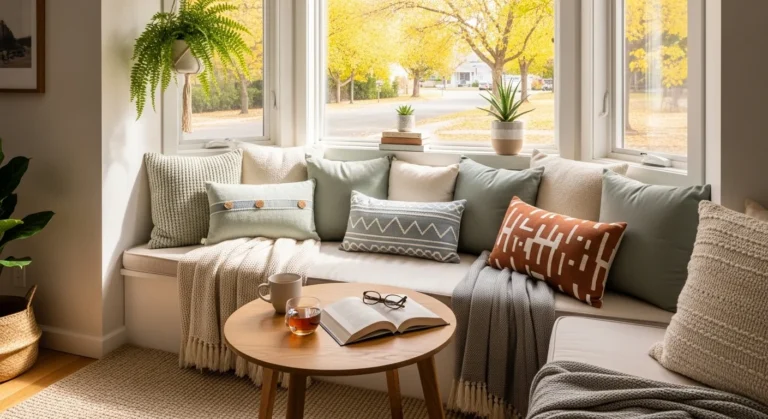
13 Kids’ Room Interior Design Ideas That Inspire Comfort & Fun

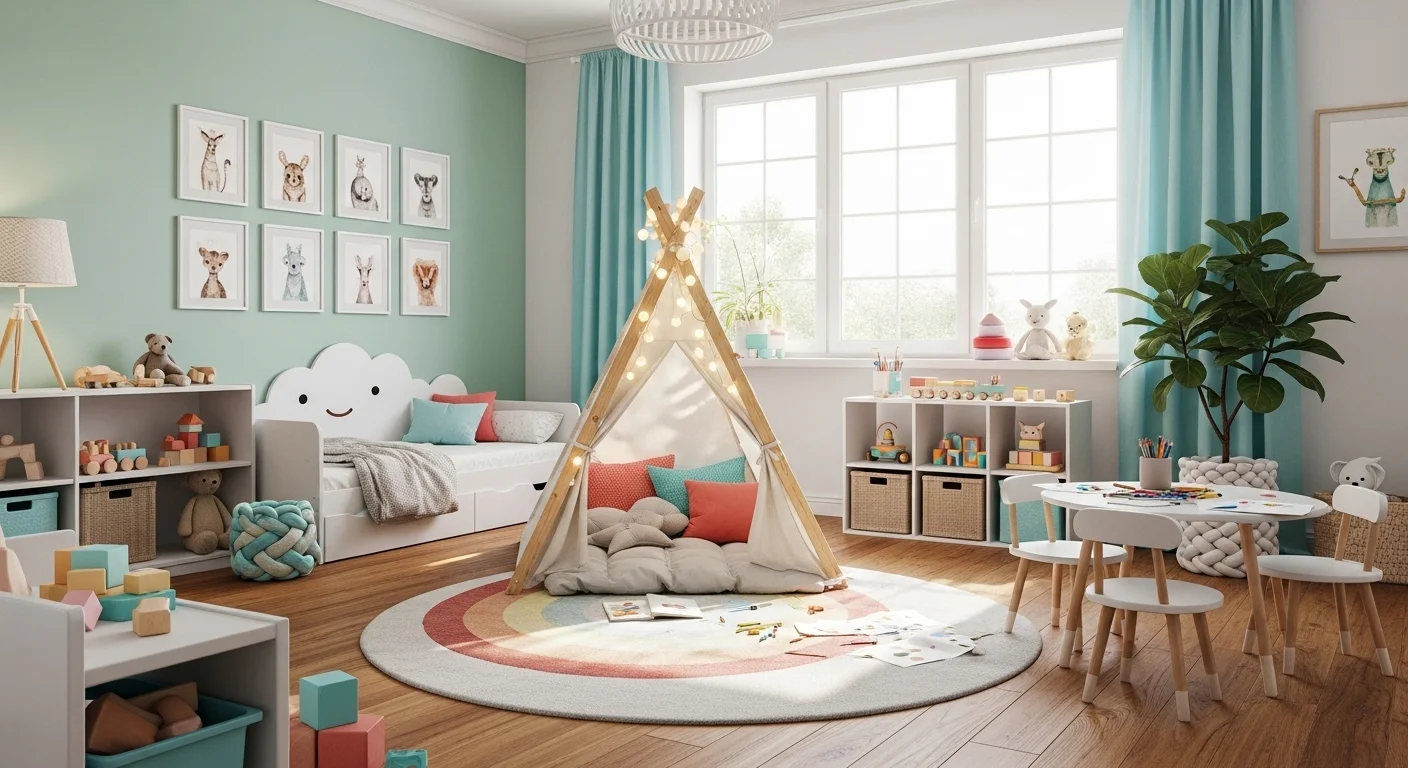
Kids room interior design shapes how children think, learn, relax, and express their creativity every single day.
A thoughtfully designed bedroom does much more than look attractive or follow modern trends.
It influences emotional development, daily habits, and even the way children organize their belongings.
Parents often focus only on furniture, yet children’s bedroom decor affects comfort, imagination, and long-term confidence.
A balanced kids bedroom layout supports both playtime energy and peaceful sleep routines.
Smart toddler room decorating ideas also help create creative children’s spaces that grow naturally with age.
When you design with intention, you create a room that encourages independence and responsibility.
This guide explores practical and stylish ideas that make kids room interior design both functional and inspiring.
Understanding Your Child Before Designing the Space
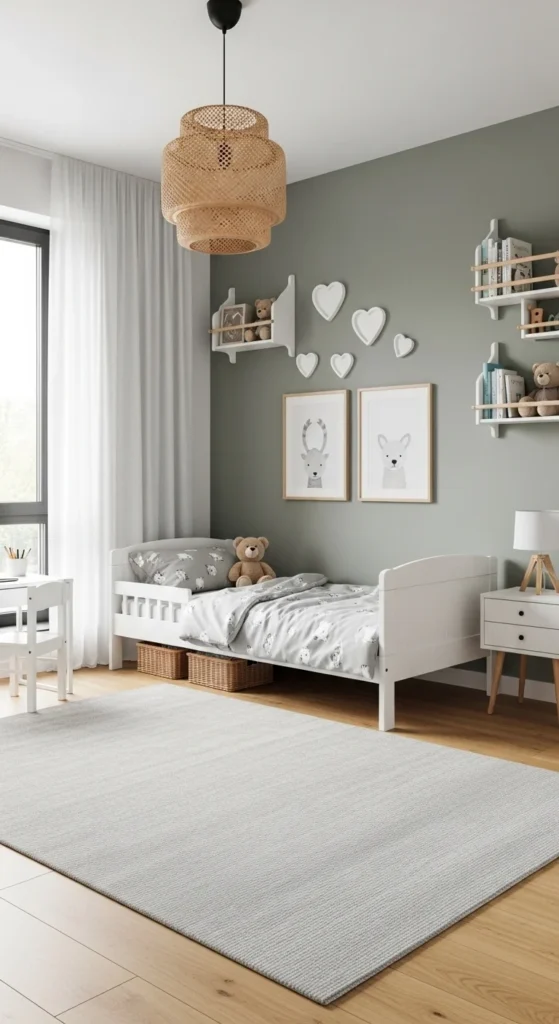
Before selecting colors or furniture, take time to understand your child’s personality and interests.
Some children prefer quiet reading corners, while others need active zones for movement and creativity.
Observe how your child spends time during weekends or after school activities.
Designing around their habits helps you create a room that supports natural behavior patterns.
Age also plays a significant role in planning children’s bedroom decor.
A preschool child needs accessible storage, while older kids require study-friendly furniture and organized shelves.
Avoid copying trendy themes that may lose relevance within a year.
Instead, focus on adaptable elements that allow the room to evolve with changing interests.
When kids feel connected to their environment, they take better care of their space.
Thoughtful planning always strengthens the foundation of successful kids room interior design.
Smart Planning Tips for a Functional Kids Bedroom Layout
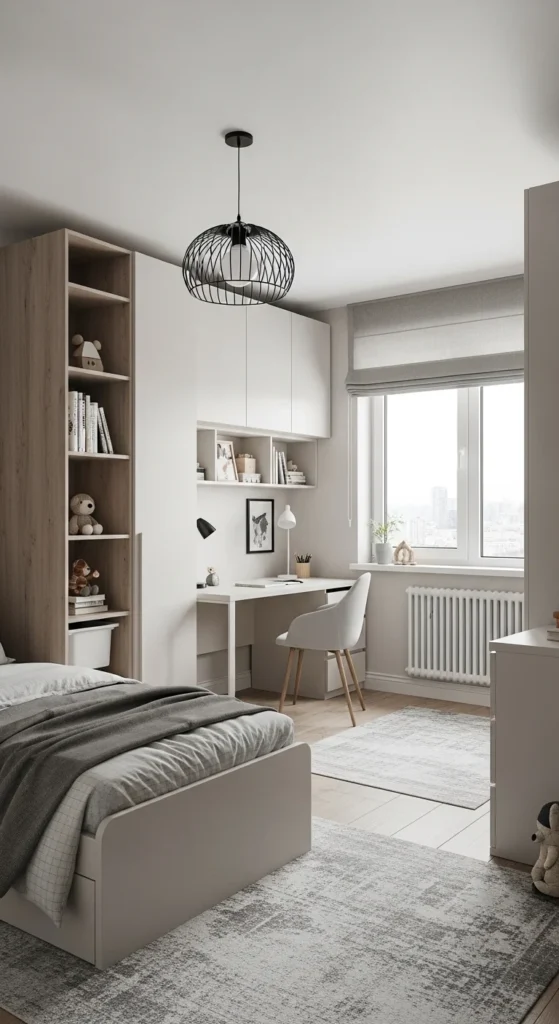
Every successful kids room interior design begins with careful space planning.
Start by dividing the room into sleep, study, and play zones for better organization.
Clear zoning prevents clutter and helps children understand how to use each area effectively.
Place the bed in a calm corner away from distractions to encourage restful sleep.
Position the study desk near natural light to improve focus and reduce eye strain.
Use vertical storage solutions to maximize limited floor space in smaller bedrooms.
Wall-mounted shelves and tall cabinets provide storage without overwhelming the layout.
Layer different lighting sources to create flexibility for reading, relaxing, and playing.
Functional planning transforms an ordinary bedroom into a purposeful and inspiring environment.
A well-organized layout supports both creativity and discipline within kids room interior design.
1. Minimalist Kids Room Interior Design for a Calm and Organized Space
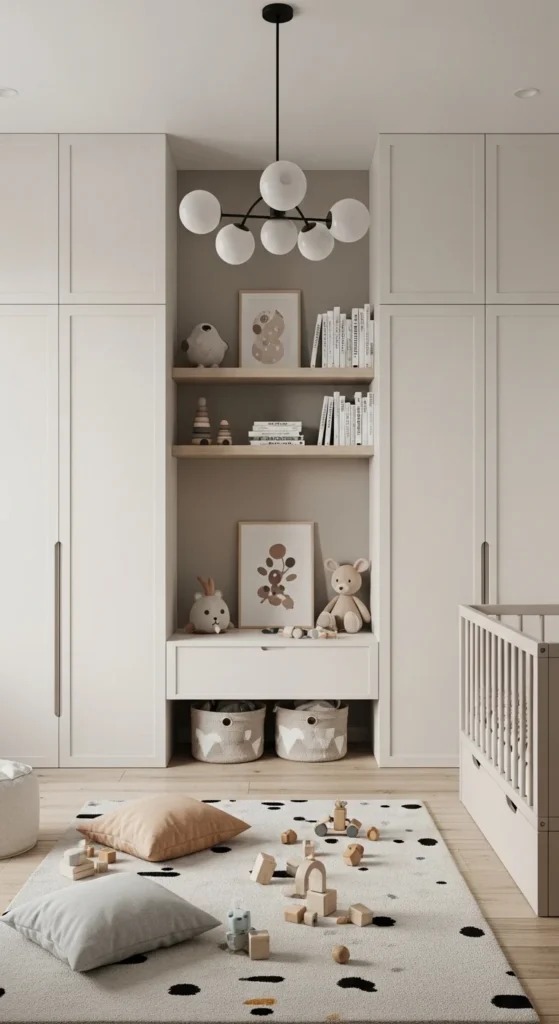
Minimalist kids room interior design creates a peaceful atmosphere that supports focus and emotional balance.
Choose soft neutral colors such as beige, warm white, or light gray for the base palette.
Add playful accents through cushions, rugs, or wall art instead of overwhelming the entire room.
Use closed storage cabinets to hide toys and prevent visual clutter.
Floating shelves keep books accessible while maintaining a clean appearance.
Select simple furniture with smooth edges to ensure both safety and elegance.
Avoid overcrowding the room with unnecessary decorative items.
Children often concentrate better in calm environments that feel open and breathable.
This approach encourages responsibility because children easily maintain tidy surroundings.
Minimalism proves that thoughtful kids room interior design does not require excessive decoration to feel special.
2. Nature-Inspired Kids Room Interior Design with Organic Textures
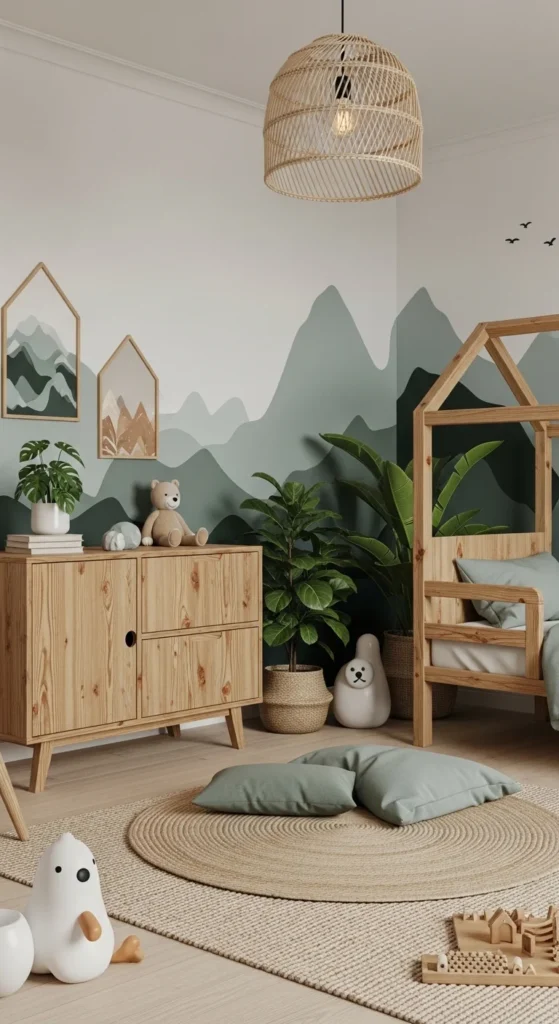
Nature-inspired kids room interior design introduces warmth and comfort through earthy tones and natural materials.
Incorporate wooden furniture pieces with visible grains to add organic character.
Choose soft green, sandy beige, or muted blue shades to reflect outdoor scenery.
Add indoor plants that are safe and easy to maintain.
Natural fiber rugs and cotton bedding enhance texture without overwhelming the space.
A forest or mountain mural can create an immersive yet calming focal point.
Children often feel relaxed when surrounded by elements that resemble outdoor environments.
This design style also supports eco-conscious habits by encouraging sustainable material choices.
Parents can combine beauty and responsibility within children’s bedroom decor.
Nature-based themes create balanced kids room interior design that feels refreshing and timeless.
3. Space-Saving Kids Room Interior Design for Small Bedrooms
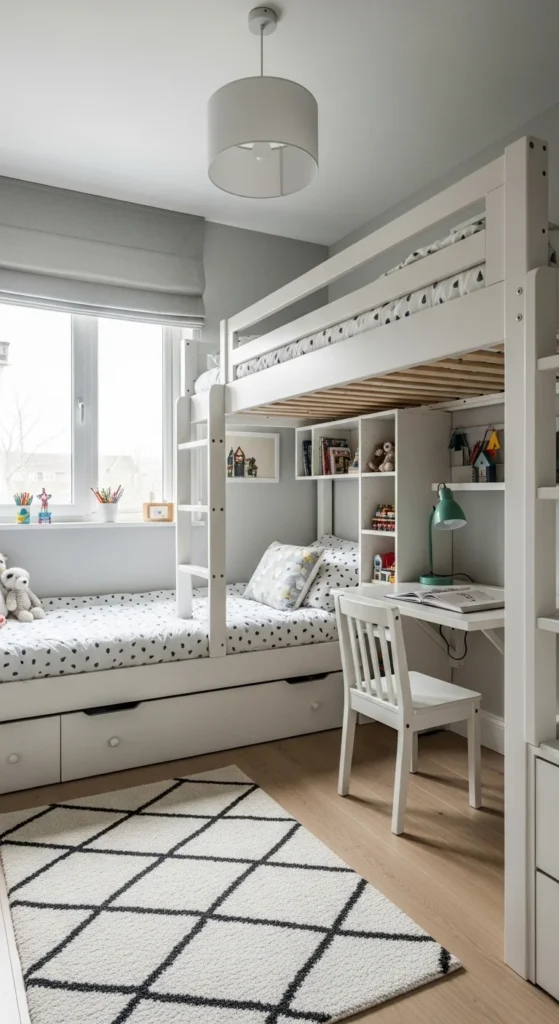
Small bedrooms require smart kids room interior design strategies to maximize every available inch.
Loft beds instantly free floor space for study desks or play areas underneath.
Bunk beds work effectively in shared rooms without making the layout feel crowded.
Install drawers beneath the bed to store clothes, toys, or seasonal items efficiently.
Wall-mounted desks fold away when children finish homework sessions.
Choose multi-functional furniture that serves more than one purpose.
Avoid bulky pieces that visually shrink the room.
Mirrors can reflect light and create the illusion of expanded space.
Light color schemes also help small bedrooms feel brighter and more open.
Thoughtful planning ensures even compact spaces remain practical and inspiring through efficient kids room interior design.
4. Themed Kids Room Interior Design Based on Hobbies and Interests
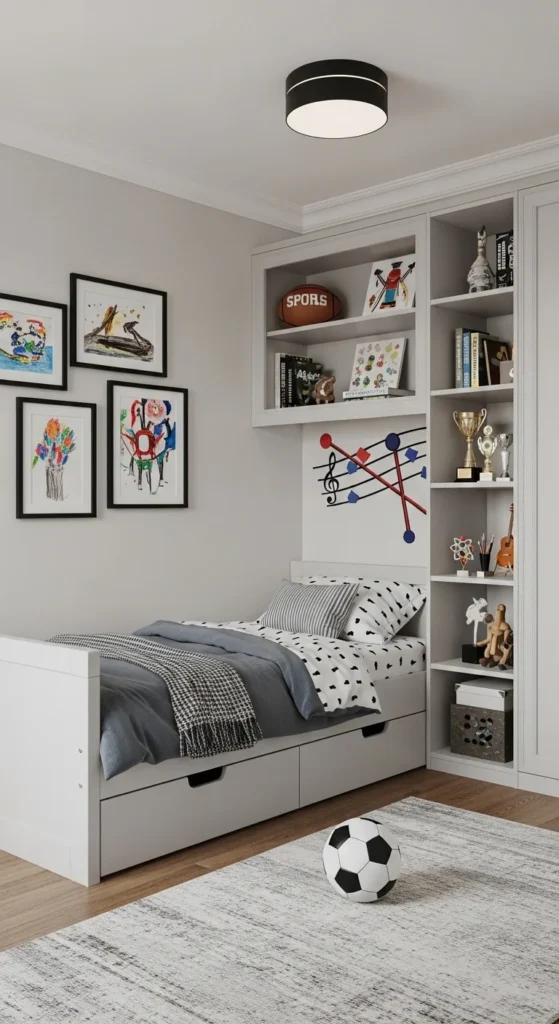
Themed kids room interior design allows children to express their passions through their personal environment.
Start by identifying hobbies such as art, sports, science, or music.
Design subtle theme elements that enhance the room without overwhelming its flexibility.
For example, display framed artwork in an art-inspired bedroom.
Add open shelving to showcase trophies or creative projects proudly.
Use bedding, rugs, and wall accents to reinforce the theme tastefully.
Avoid permanent installations that may limit future updates.
Children often change interests as they grow older and explore new activities.
Keep foundational furniture neutral so the room adapts easily over time.
This balanced approach ensures kids room interior design remains creative while staying practical and long-lasting.
5. Color Psychology in Kids Room Interior Design
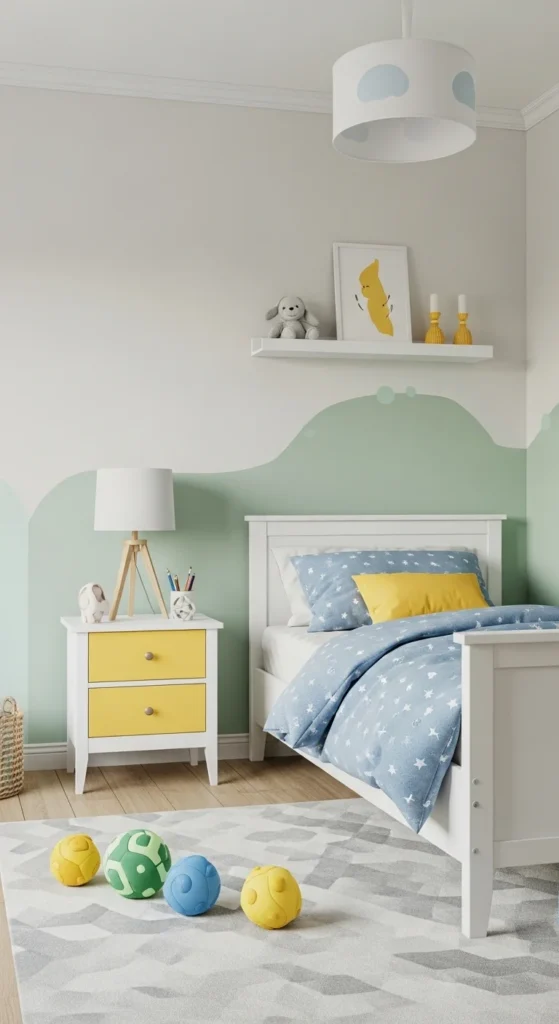
Color choices significantly influence mood, energy levels, and daily behavior patterns.
Thoughtful kids room interior design uses color psychology to create supportive emotional environments.
Soft blue shades promote calmness and encourage restful sleep routines.
Gentle green tones bring balance and reduce visual stress in active spaces.
Warm yellow accents inspire creativity and positivity without overwhelming the senses.
Avoid using overly bright colors across large wall surfaces.
Instead, combine neutral backgrounds with vibrant accessories for flexibility.
Accent walls can add personality without dominating the entire room.
Consider your child’s temperament when selecting a primary color scheme.
Strategic color planning transforms ordinary children’s bedroom decor into a purposeful and emotionally supportive space.
6. Study-Friendly Kids Room Interior Design for Better Focus
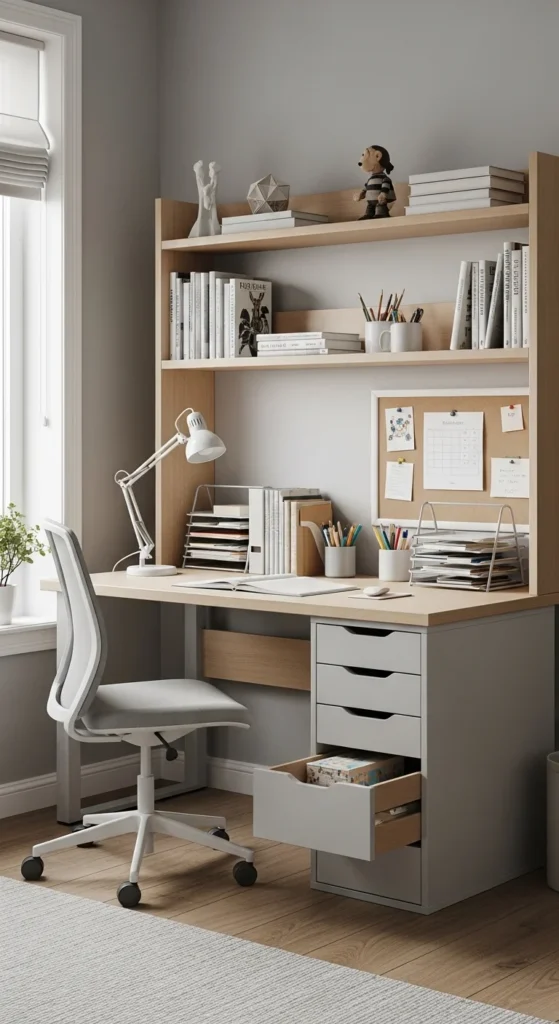
A study-friendly environment strengthens discipline and improves academic performance naturally.
Effective kids room interior design places the desk in a quiet area away from distractions.
Position the study desk near a window to maximize natural daylight.
Choose an ergonomic chair that supports healthy posture during long study sessions.
Install shelves above the desk to keep books and supplies organized.
Cluttered desks often reduce concentration and increase unnecessary stress.
Use drawer organizers to separate stationery and maintain order.
Add a small pinboard for reminders, schedules, or creative inspiration.
Good lighting remains essential for evening homework routines.
When children feel comfortable and organized, they develop stronger focus within their thoughtfully designed study space.
7. Creative Wall Decor Ideas in Kids Room Interior Design
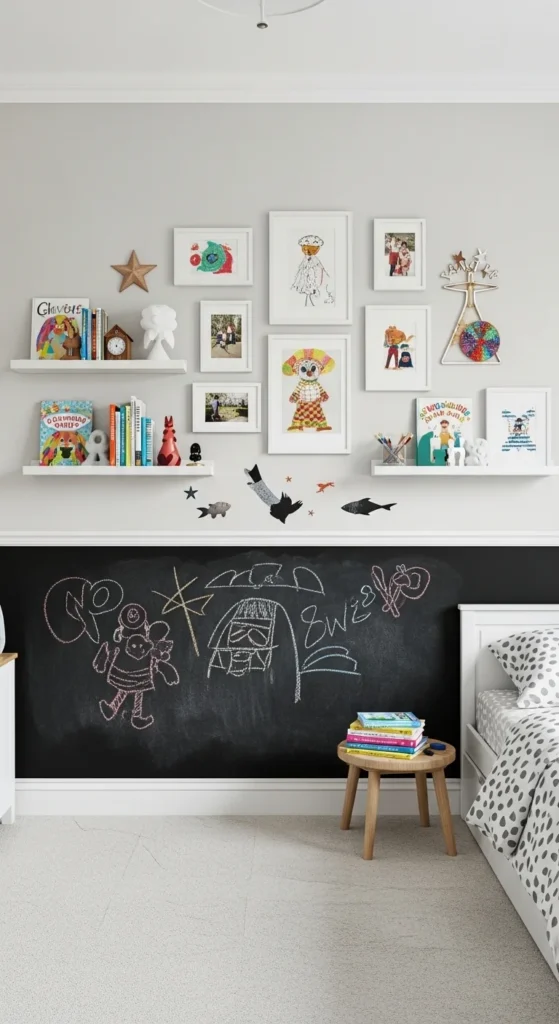
Walls provide excellent opportunities to enhance kids room interior design creatively.
Removable wall decals allow easy updates as interests evolve.
Chalkboard paint creates an interactive surface for drawing and learning activities.
Gallery walls can display framed artwork or family photographs meaningfully.
Install floating ledges to showcase favorite books and small decorative items.
Avoid overcrowding walls with too many patterns or heavy artwork.
Balanced wall decor prevents visual clutter while maintaining personality.
Encourage children to participate in selecting decorative pieces.
Personal involvement strengthens emotional attachment to their environment.
Thoughtful wall styling transforms plain surfaces into engaging features within children’s bedroom decor.
8. Smart Storage Solutions in Modern Kids Room Interior Design
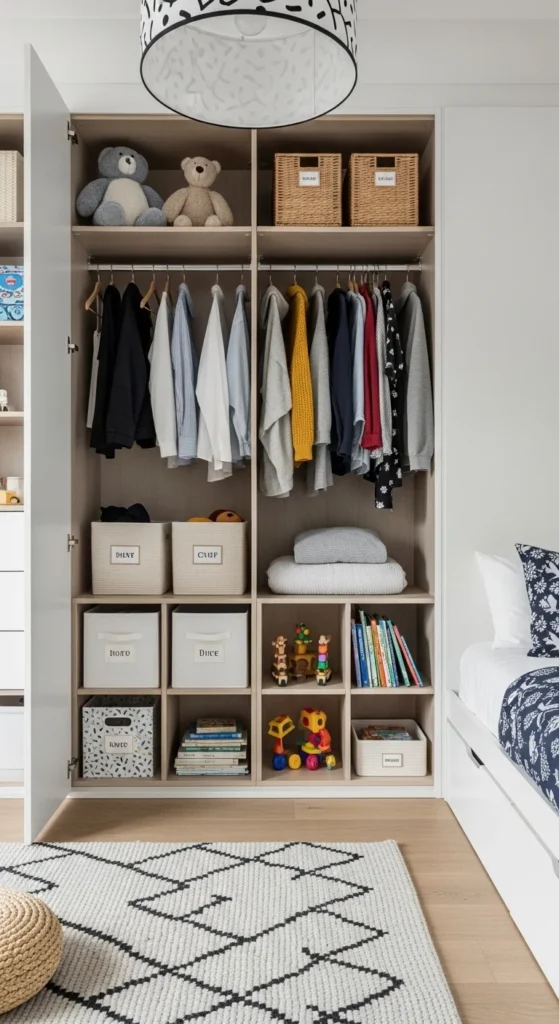
Organized storage plays a crucial role in maintaining a tidy bedroom.
Modern kids room interior design integrates storage seamlessly without compromising style.
Use labeled baskets to help younger children recognize where items belong.
Built-in wardrobes maximize vertical space efficiently.
Open cubbies provide easy access to frequently used toys and books.
Consider rotating toys seasonally to prevent clutter buildup.
Under-bed storage boxes offer hidden yet practical organization options.
Avoid leaving storage planning as an afterthought.
When every item has a designated place, cleaning becomes easier and faster.
Smart storage systems encourage independence and responsibility within well-planned kids room interior design.
9. Cozy Reading Nook as a Feature in Kids Room Interior Design
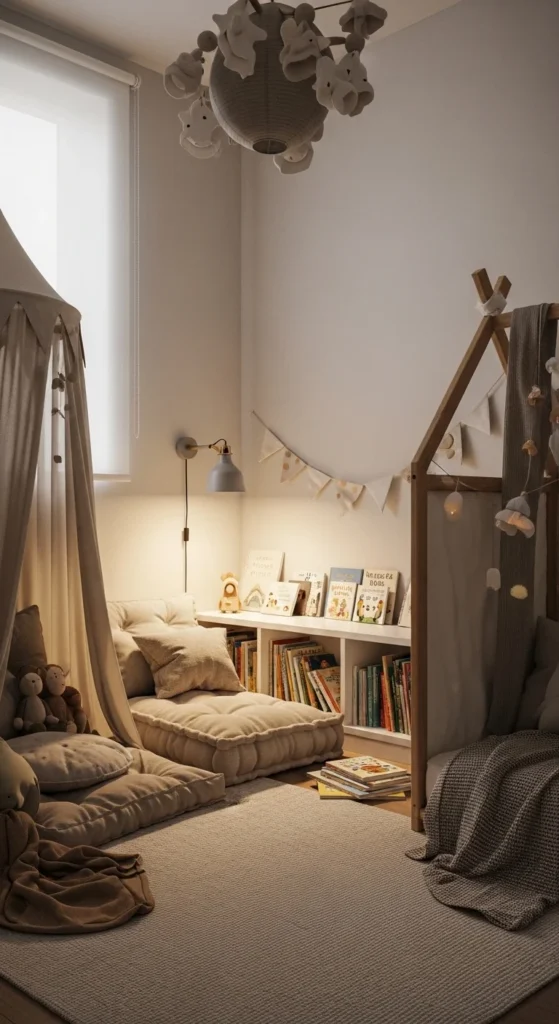
A dedicated reading nook adds warmth and imagination to any bedroom.
Include this feature thoughtfully within your kids room interior design plan.
Place a comfortable floor cushion or small armchair in a quiet corner.
Add soft lighting such as a wall-mounted reading lamp.
Install a low bookshelf within easy reach of young readers.
A canopy or small tent structure can create a magical atmosphere.
Keep the space calm and separate from active play zones.
Children often develop stronger reading habits in cozy environments.
Encourage them to personalize the nook with favorite books or soft blankets.
A reading corner enhances creative children’s spaces while supporting intellectual growth and relaxation.
10. Shared Kids Room Interior Design That Balances Privacy and Harmony
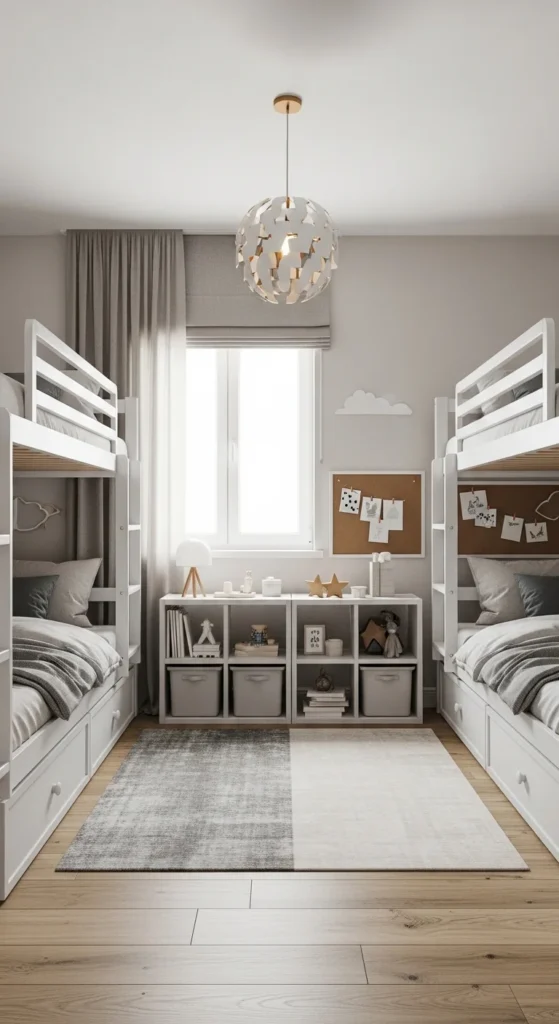
Shared bedrooms require thoughtful kids room interior design to maintain comfort and fairness.
Start by dividing the room visually using rugs, shelving units, or subtle color differences.
Assign each child a personalized zone that reflects individual preferences and interests.
Bunk beds often save space while keeping the layout open and organized.
Provide separate storage drawers so belongings remain clearly defined.
Install wall hooks or small pinboards for personal display areas.
Avoid forcing identical decor choices if children have different personalities.
Encourage collaboration when selecting shared elements such as curtains or lighting fixtures.
Balanced planning prevents unnecessary conflicts and promotes harmony.
Well-structured shared kids room interior design fosters cooperation while protecting each child’s sense of individuality.
11. Play-Focused Kids Room Interior Design with Activity Zones
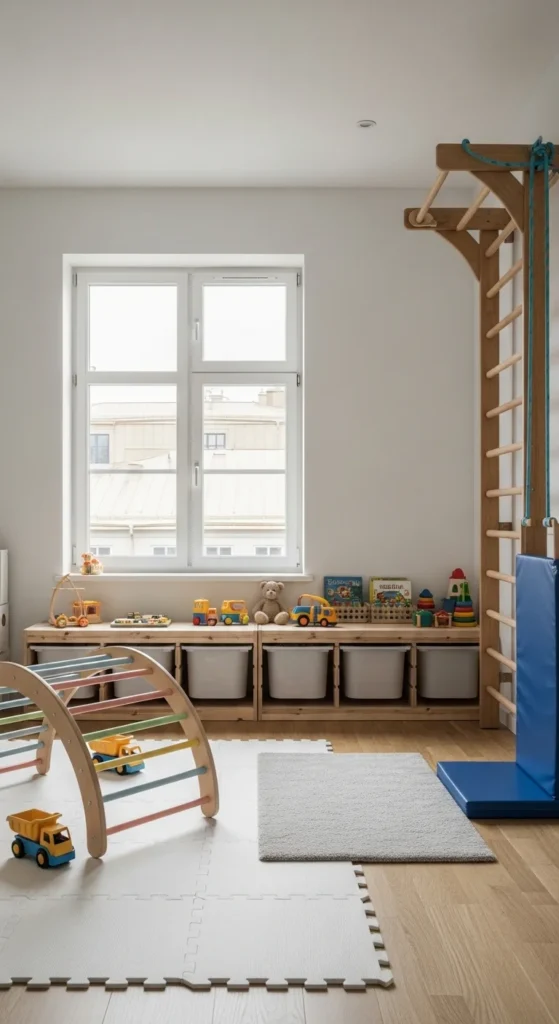
Active children benefit greatly from play-focused kids room interior design.
Create a safe open area with soft flooring for movement and creativity.
Foam mats or cushioned rugs reduce impact and enhance comfort.
Install low shelves to keep toys accessible without causing clutter.
Consider adding a small indoor climbing panel for physical engagement.
Keep play zones separate from sleeping and study areas.
Clear boundaries help children transition smoothly between activities.
Avoid overcrowding the room with oversized play equipment.
Instead, prioritize flexible pieces that can move or fold easily.
An organized play area strengthens imagination and energy management within thoughtful kids room interior design.
12. Transitional Kids Room Interior Design That Grows with Your Child
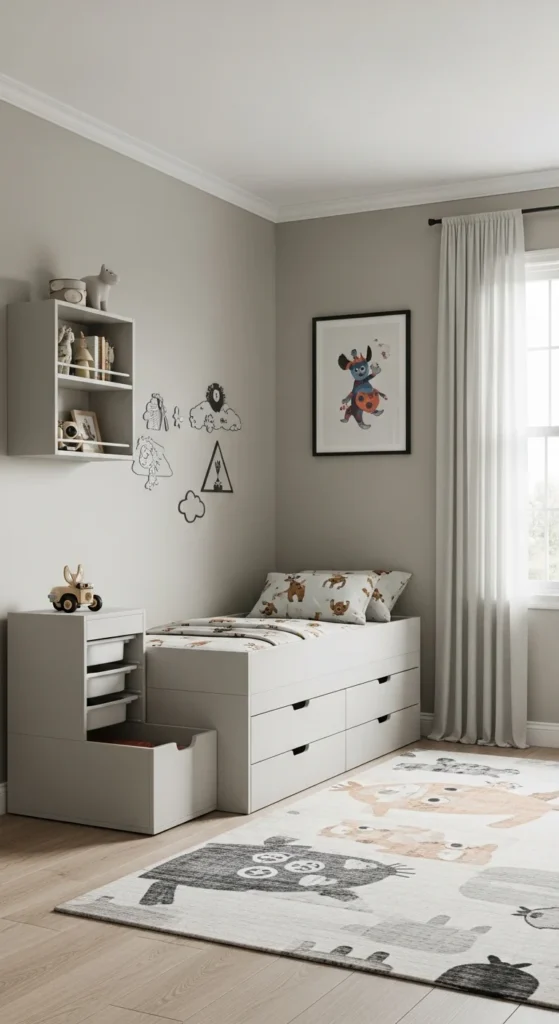
Children grow quickly, so adaptable kids room interior design prevents frequent costly renovations.
Choose neutral base colors that remain suitable during different life stages.
Select modular furniture that adjusts in height or configuration.
Replace themed bedding or wall art instead of repainting entire walls.
Install adjustable shelving systems for changing storage needs.
Avoid permanent character murals that limit future flexibility.
Focus on timeless foundations that support evolving preferences.
Add personality through accessories that you can easily update.
Parents save money when they plan with long-term vision.
Transitional kids room interior design ensures the space matures gracefully alongside your child’s development.
13. Luxury-Inspired Kids Room Interior Design Without Overcomplicating the Space
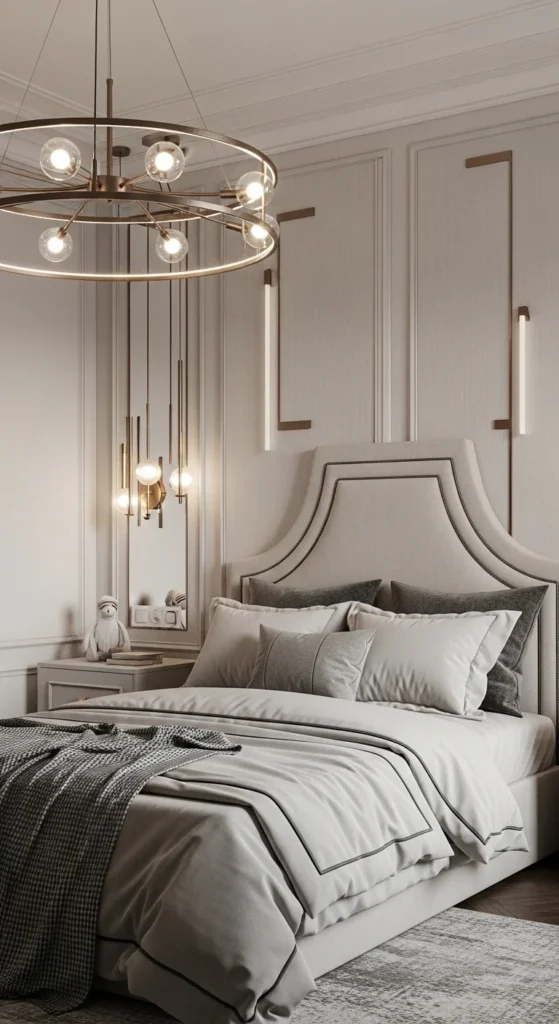
Luxury-inspired kids room interior design emphasizes elegance while maintaining warmth and functionality.
Choose upholstered headboards to create a refined yet comfortable sleeping area.
Install stylish lighting fixtures that provide both beauty and practicality.
Use layered bedding with soft textures to enhance visual richness.
Incorporate subtle metallic accents for a sophisticated touch.
Avoid excessive decoration that makes the room feel formal or restrictive.
Balance elegance with playful elements to preserve a child-friendly atmosphere.
High-quality materials often improve durability and long-term value.
Focus on comfort as much as visual appeal.
When executed thoughtfully, luxury kids room interior design feels welcoming rather than overwhelming.
Budget Planning for Kids Room Interior Design Without Compromising Style
Budget planning helps families create impressive kids room interior design without unnecessary financial pressure.
Invest more in durable items such as beds, mattresses, and study desks.
Save money on decorative pieces that may change frequently.
Consider simple do-it-yourself projects for wall art or storage solutions.
Shop during seasonal sales to reduce overall expenses.
Avoid buying everything at once without a clear plan.
Prioritize functionality before adding decorative layers.
Reuse existing furniture by repainting or updating hardware creatively.
Thoughtful budgeting encourages smarter decision-making throughout the design process.
Strategic planning proves that beautiful kids room interior design does not require excessive spending.
Common Kids Room Interior Design Mistakes to Avoid
Many parents unintentionally overcrowd the bedroom with unnecessary furniture pieces.
Too many large items reduce free movement and create visual clutter.
Ignoring storage planning often leads to constant mess and frustration.
Selecting style over comfort may compromise daily usability.
Poor lighting choices can strain eyesight and reduce productivity.
Avoid designing solely according to short-term trends.
Failure to consider future growth may result in frequent redesigns.
Involve children in small decisions to strengthen their connection to the space.
Balanced planning prevents costly corrections later.
Avoiding these mistakes strengthens the success of your kids room interior design strategy.
Final Wrap-Up:
Thoughtful kids room interior design shapes more than just physical surroundings.
It supports emotional growth, creativity, discipline, and independence simultaneously.
When parents combine functionality with imagination, children feel valued and understood.
Every design decision should reflect personality while maintaining long-term flexibility.
Small thoughtful changes often create meaningful impact within daily routines.
Focus on balance instead of chasing perfection or unrealistic trends.
A well-designed bedroom becomes a safe and inspiring personal retreat.
Take time to plan carefully and involve your child throughout the process.
Your effort today will influence comfort and confidence for years to come.
With intentional planning, kids room interior design transforms ordinary rooms into spaces filled with growth and possibility.