17 Embracing 70s Interior Design Ideas in Modern Homes

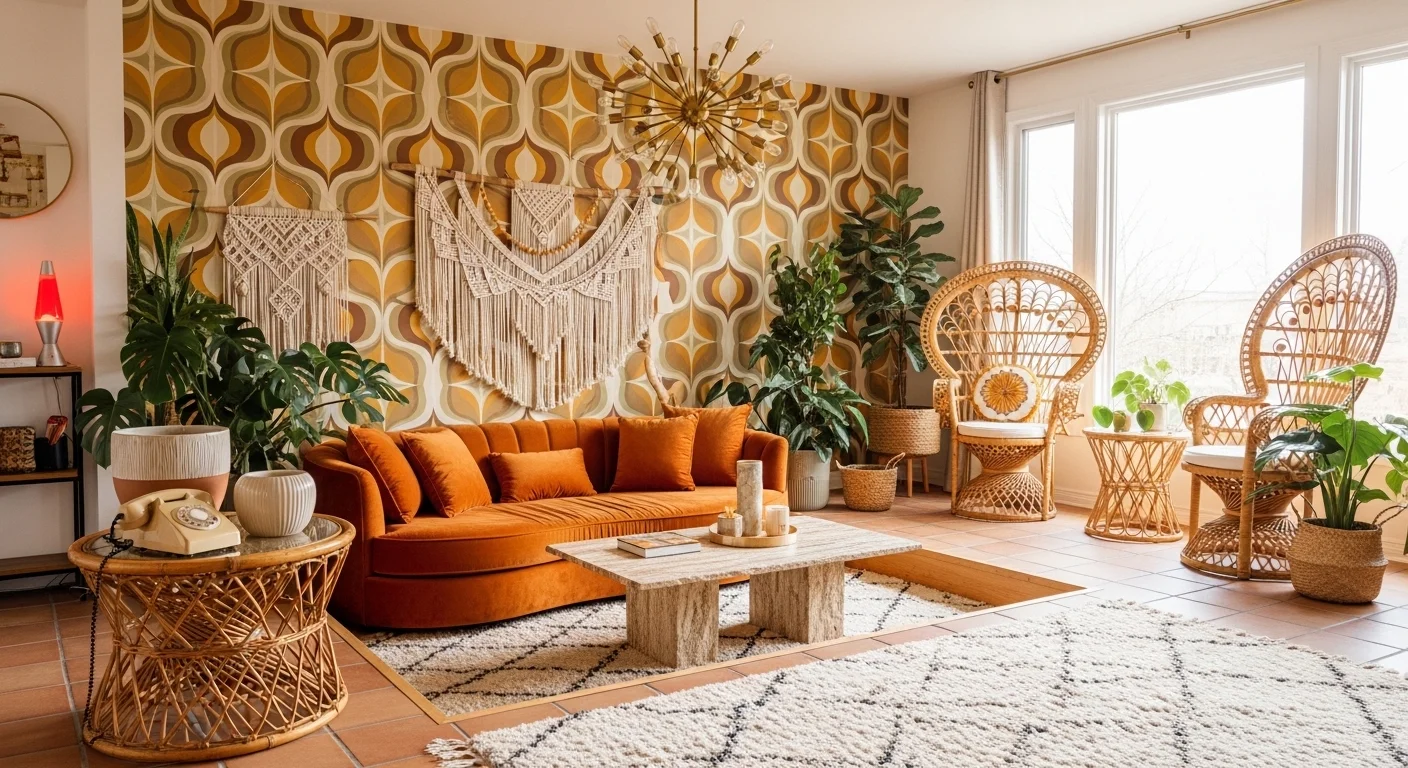
The 1970s were a vibrant era in interior design, defined by bold colors, distinctive patterns, and a strong sense of personal style.
Many homeowners today are rediscovering 70s interior design as a source of inspiration for retro-modern living spaces.
Many homeowners today are rediscovering 70s interior design as a source of inspiration for retro-modern living spaces.
Incorporating 70s decor can transform a plain living space into a lively, nostalgic environment that still feels contemporary.
Retro home decor elements, vintage furniture pieces, and mid-century modern influences can all bring authenticity to a modern 70s-inspired design.
By blending these elements thoughtfully, any space can gain warmth, personality, and timeless charm.
Key elements of 70s Interior Design
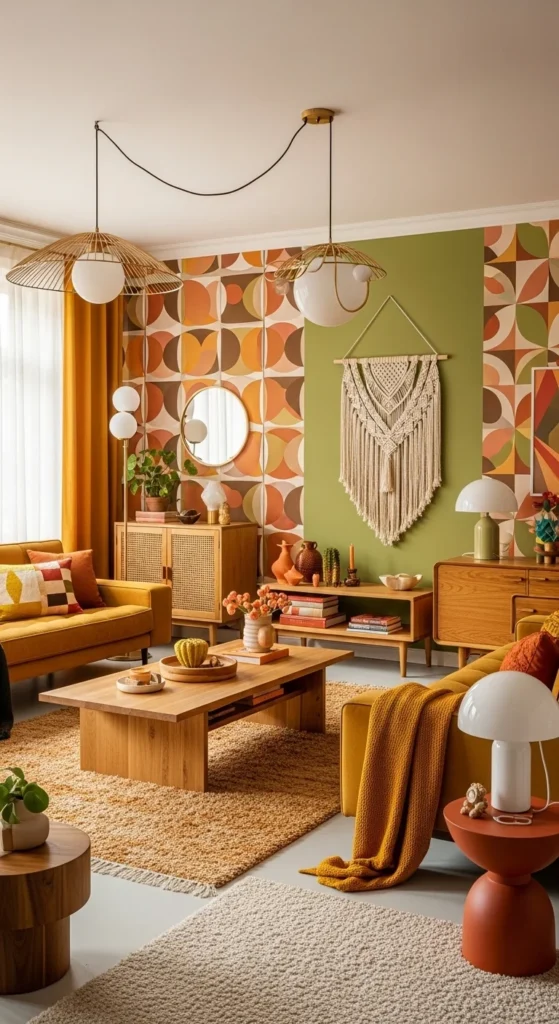
Earthy color palettes dominated 70s interiors, combining mustard yellows, avocado greens, burnt oranges, and rich browns to create inviting environments.
Natural materials like wood, rattan, and stone were widely used for furniture, flooring, and decorative accents.
Bold geometric patterns on wallpapers, textiles, and rugs added a playful and artistic energy to living spaces.
Low-profile and modular furniture encouraged functional yet stylish layouts, allowing rooms to feel spacious while maintaining comfort.
Statement lighting fixtures, including globe pendants and sculptural lamps, contributed both functionality and visual appeal.
Textures like shag rugs, macrame wall hangings, and soft upholstery added depth and sensory richness to interiors.
How to Incorporate Retro 70s Vibes Without Overdoing It
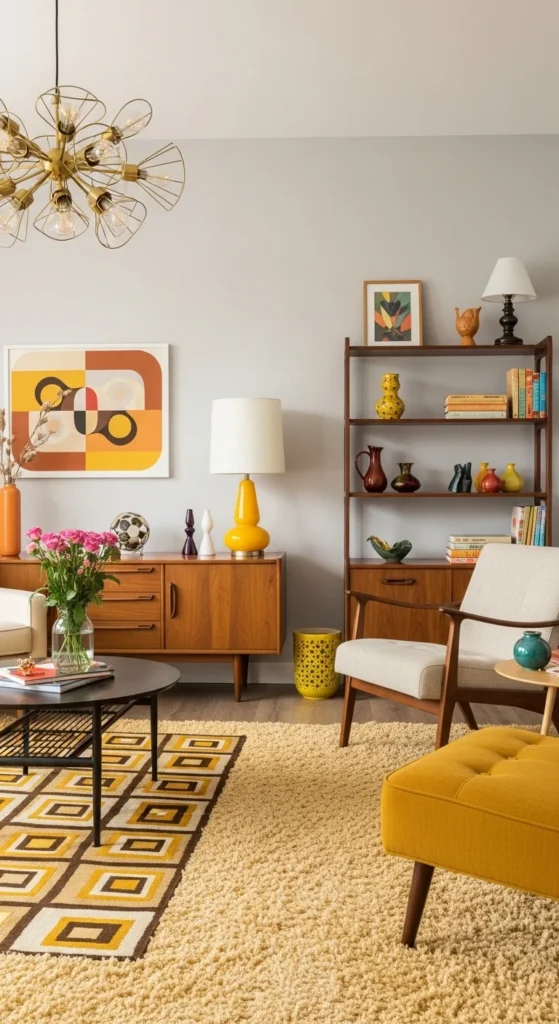
Incorporating 70s elements requires balance to avoid overwhelming modern spaces with too much boldness.
Start with a few key retro pieces, such as a geometric rug, a statement chair, or a vintage lighting fixture.
Pair bright colors with neutral tones to create harmony and prevent visual chaos within the room.
Layer textures subtly, combining a shag carpet with smooth wood surfaces or soft upholstered furniture.
Blend vintage furniture with contemporary accessories to create a modern-retro fusion that feels natural and welcoming.
This approach allows homeowners to enjoy 70s interior design inspiration while maintaining a fresh, timeless look.
1. Vibrant earthy Color Palettes
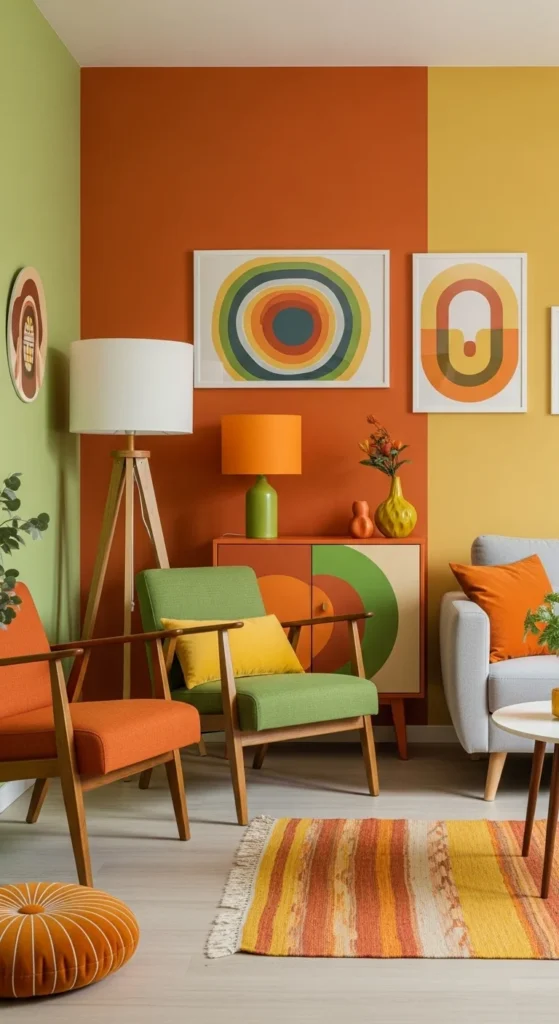
earthy colors defined 70s interior design, with mustard yellows, burnt oranges, and avocado greens taking centre stage.
These tones created warm, cozy spaces that immediately made any room feel inviting and energetic.
Using these palettes today requires thoughtful pairing with neutrals to prevent overwhelming the senses.
Walls painted in soft avocado or mustard can provide a retro backdrop while keeping the room balanced.
Accent pieces like cushions, rugs, and lamps in these shades can subtly enhance the 70s vibe.
By mixing warm hues with lighter tones and modern furniture, you can achieve a nostalgic yet contemporary interior.
The key is using color strategically to highlight certain areas without saturating the entire room.
2. Iconic Geometric Patterns
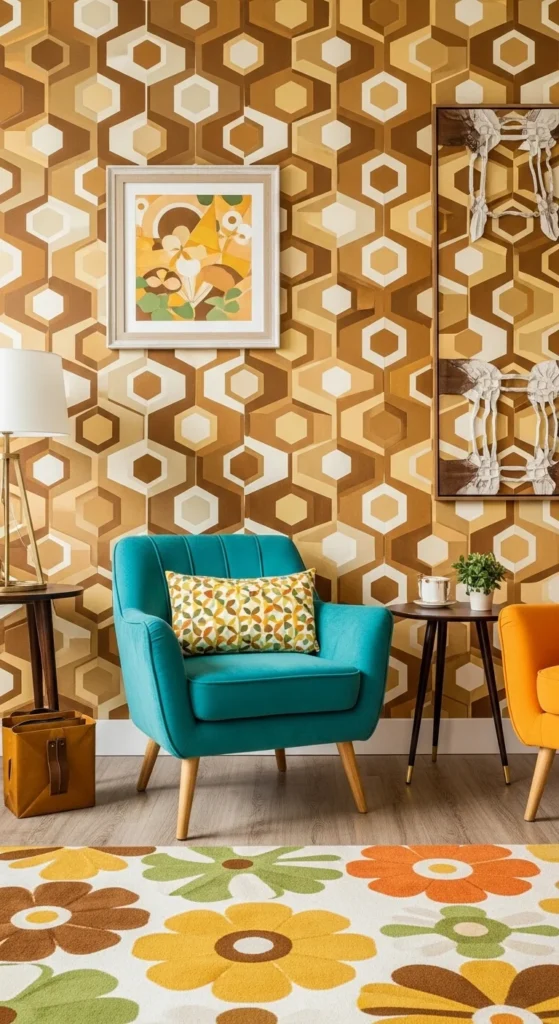
Geometric patterns were everywhere in 70s decor, appearing on wallpapers, textiles, and carpets with bold designs.
Shapes like chevrons, hexagons, and retro florals added movement and energy to every corner of a room.
Integrating geometric patterns into modern interiors can elevate visual interest without overwhelming the space.
Consider a patterned accent wall, throw pillows, or area rugs to incorporate these designs subtly.
Mixing geometric prints with solid colors helps balance the overall look while maintaining a retro feel.
Geometric motifs offer a playful aesthetic that blends well with both vintage and contemporary furnishings.
Using these patterns strategically allows rooms to reflect authentic 70s charm without appearing outdated.
3. Plush Shag Carpets and Rugs
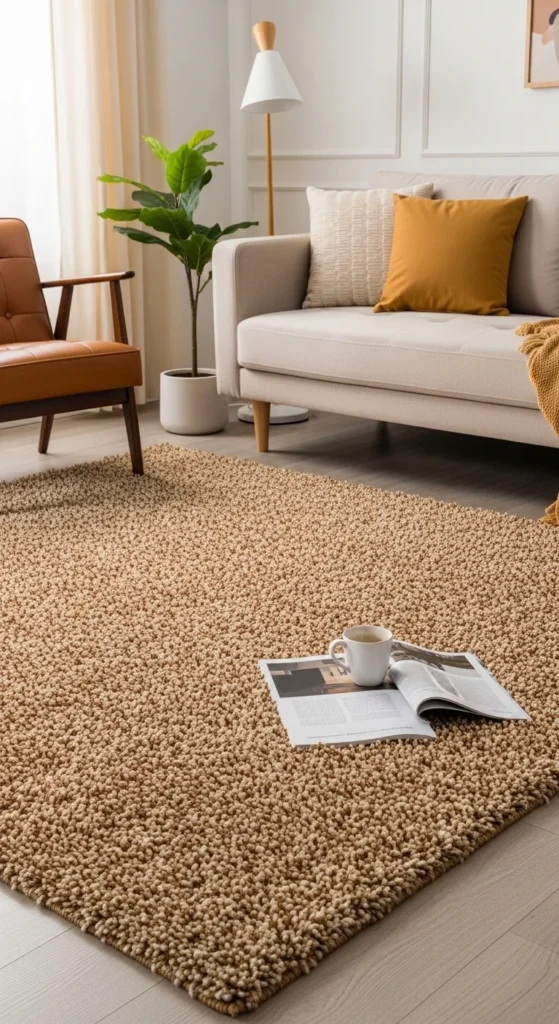
Shag carpets were a staple in 70s interiors, adding softness and warmth to living rooms and bedrooms.
Their thick, textured fibers created cozy spaces while serving as bold visual statements in any room.
Modern adaptations of shag rugs allow homeowners to enjoy this retro comfort without overwhelming the space.
Pairing a shag carpet with minimalist furniture or neutral flooring ensures balance and prevents visual clutter.
These rugs also act as sensory experiences, inviting people to touch and engage with the space around them.
Shag carpets are available in various colors, allowing easy integration with earthy 70s palettes or contemporary tones.
Careful placement of these rugs can highlight specific areas while maintaining an open, airy room layout.
4. Wood Paneling on Walls
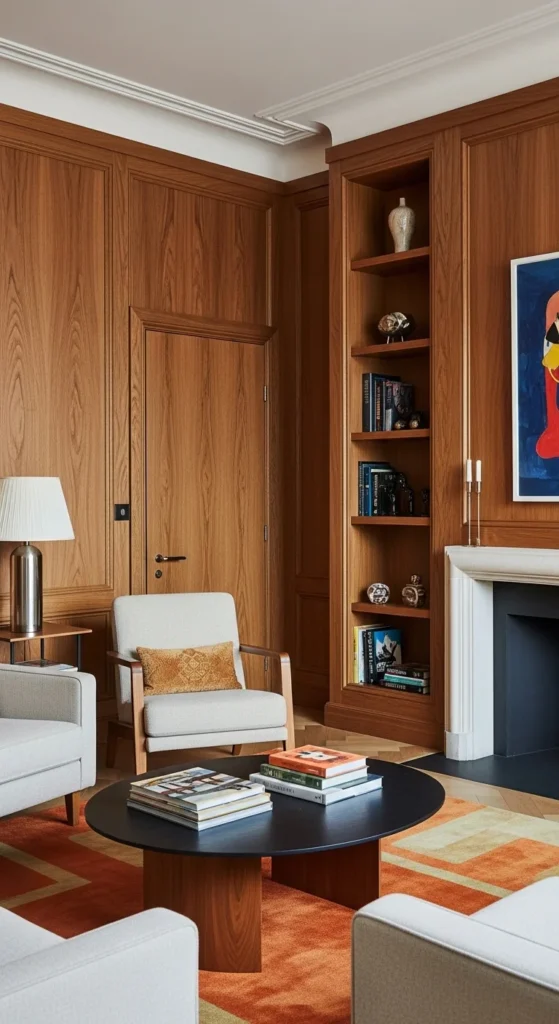
Wood paneling was a defining feature of 70s interiors, providing warmth, texture, and a sense of comfort.
Dark or medium-toned wood added a natural element that contrasted beautifully with vibrant color schemes.
Modern interiors can adapt this feature by using lighter stains or reclaimed wood for a fresh retro look.
Panels can cover entire walls, act as partial accents, or frame specific areas like bookshelves or fireplaces.
Combining wood paneling with soft furnishings and metallic accents keeps the space feeling balanced and modern.
The tactile texture and visual depth of wood create a cozy environment that encourages relaxation and nostalgia.
Strategic use of wood allows rooms to maintain the retro essence without overpowering contemporary decor elements.
5. Statement Lighting Fixtures
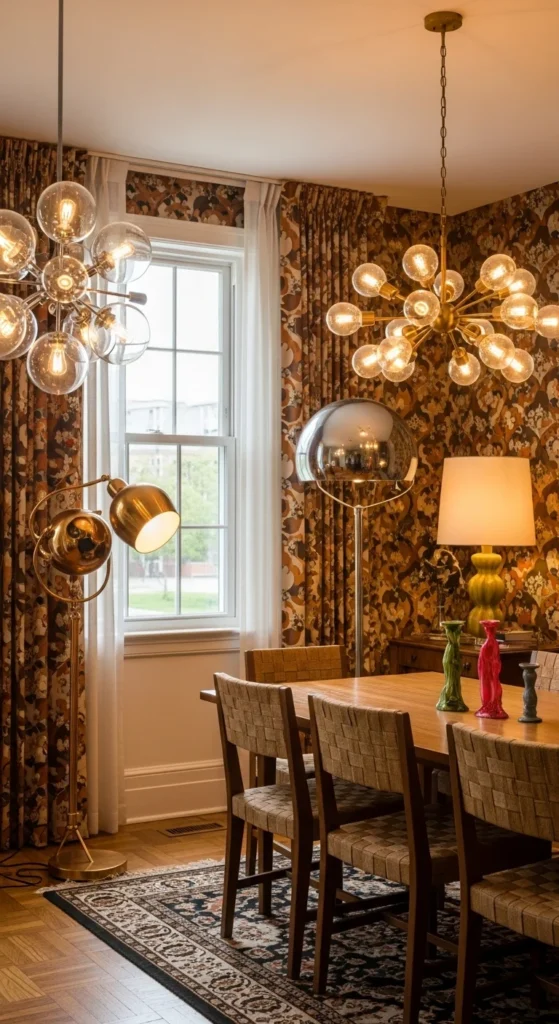
Lighting in 70s interiors often served as both functional and artistic features, with eye-catching designs that demanded attention.
Popular choices included globe pendants, geometric chandeliers, and sculptural lamps in bright or metallic finishes.
Using statement lighting today can anchor a room and add a retro touch without dominating the entire space.
Consider placing a bold pendant above a dining table or using a sculptural floor lamp to enhance corners.
Lighting can also highlight textures, patterns, and color schemes in 70s-inspired interiors effectively.
Balancing unique fixtures with simpler, modern pieces ensures that the room feels cohesive and visually appealing.
Choosing lighting strategically allows homeowners to infuse retro character while keeping spaces bright and functional.
6. Modular and Low-Profile Furniture
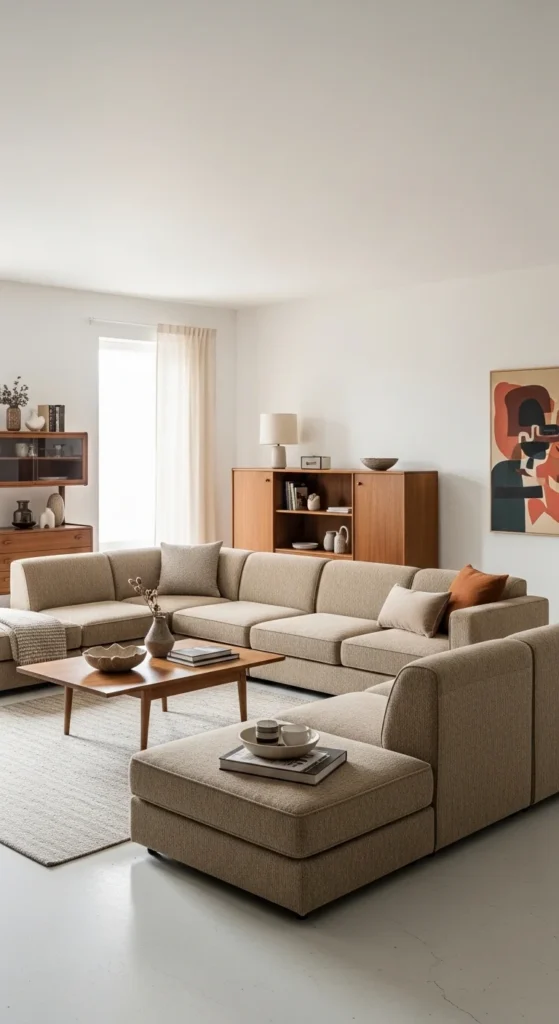
Modular furniture defined the flexible layouts of 70s homes, encouraging creativity in seating and functional arrangements.
Low-profile sofas and sectional seating offered comfort while maintaining an airy, open feeling within living spaces.
Modern interpretations of these pieces allow homeowners to mix retro form with contemporary fabrics and finishes.
Sectionals can be arranged to create conversation zones or separate spaces without adding physical partitions.
Modular pieces are especially practical for open-plan homes, allowing customization of seating for family and guests.
Combining retro shapes with neutral colors ensures harmony between vintage inspiration and modern functionality.
Investing in versatile furniture maintains the spirit of 70s design while supporting today’s practical living needs.
7. Bold Wallpaper Statements
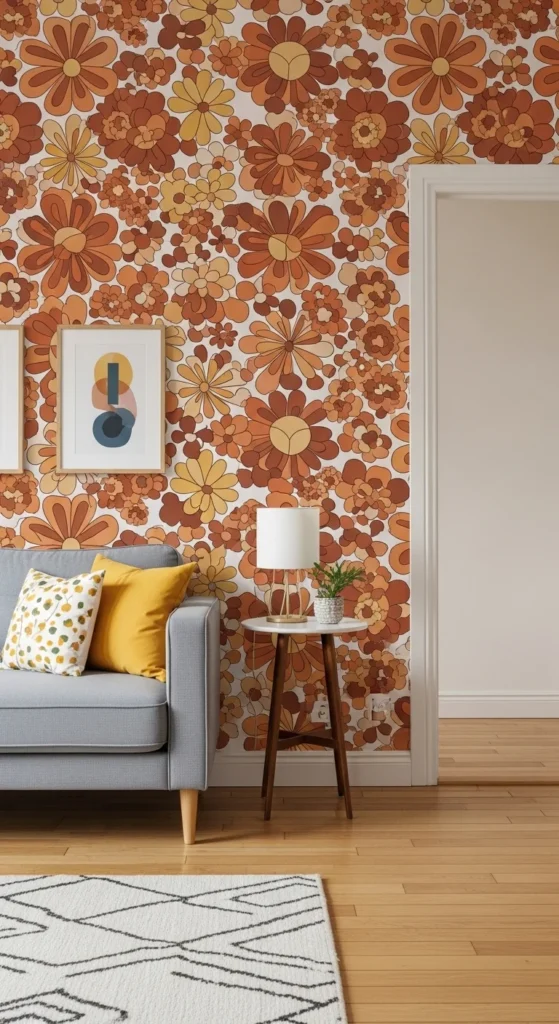
Large-scale floral prints and psychedelic patterns dominated 70s walls, making every room feel energetic and personalized.
Statement wallpapers were a way to express individuality while transforming otherwise plain spaces into visual focal points.
Modern interiors can adapt these designs by choosing a single accent wall instead of covering every surface.
Mixing bold patterns with neutral furniture or soft decor pieces prevents the room from feeling chaotic or overwhelming.
Textures, colors, and scale all play crucial roles in achieving balance when using retro wallpaper today.
For subtle impact, consider wallpaper on cabinets, closets, or shelving backs to add 70s flair without overpowering the room.
Thoughtful placement ensures the wallpaper enhances the design rather than distracting from other retro-inspired elements.
8. Macrame and Handmade Textiles
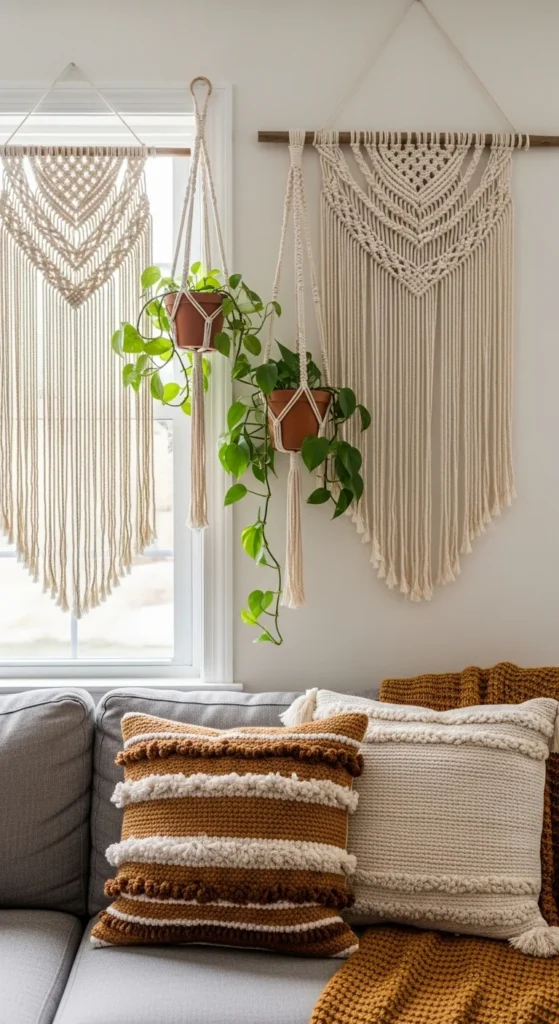
Macrame wall hangings, plant holders, and handwoven cushions were iconic in 70s interior decor.
These textiles added warmth, texture, and a personal touch, reflecting the era’s focus on craft and creativity.
Integrating handmade pieces today can bring tactile interest and authentic retro charm to modern interiors.
Hanging macrame near windows or above sofas creates visual layers and adds depth to living spaces.
Using woven pillows or throws in earthy tones complements 70s color palettes while maintaining comfort and practicality.
These textiles encourage a tactile connection with the space, enhancing both aesthetic and sensory appeal.
By carefully selecting size, color, and placement, macrame can enrich a modern home without overpowering it.
9. Retro Display Carts and Stylish Utility Corners
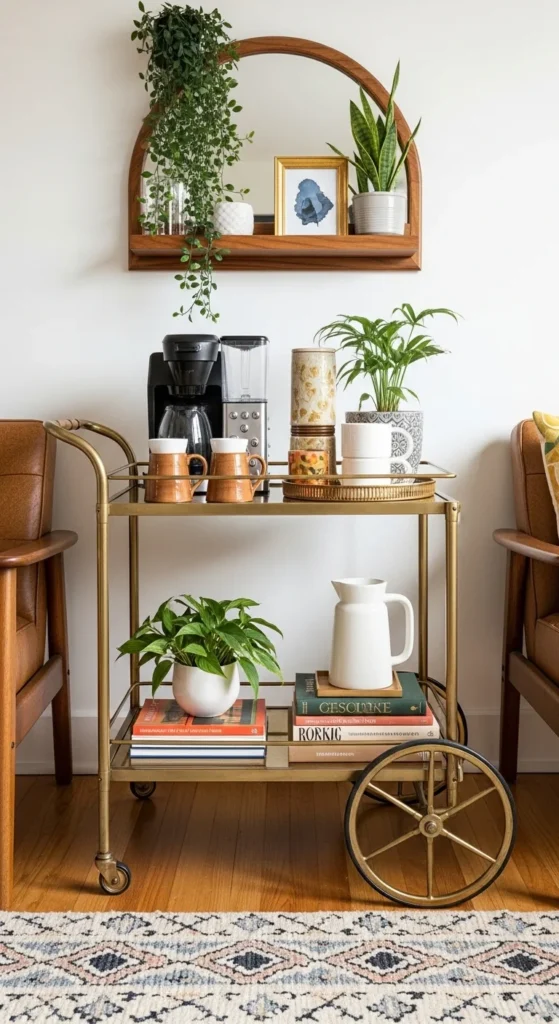
Display carts were common in 70s homes, often serving as focal points for décor and social spaces.
Today, homeowners can repurpose rolling carts for coffee stations, books, plants, or decorative storage solutions.
Vintage or mid-century style carts provide both functionality and a nostalgic design statement in living areas.
Placing a cart near seating zones encourages interaction while doubling as a flexible organization feature.
Mixing retro finishes like brass, wood, or glass ensures the cart blends seamlessly with modern furniture.
Decorating the cart with plants, ceramics, stacked books, or stylish trays maintains a curated aesthetic.
Thoughtful placement and creative styling allow retro display carts to enrich interiors without compromising contemporary practicality.
10. earthy Natural Materials
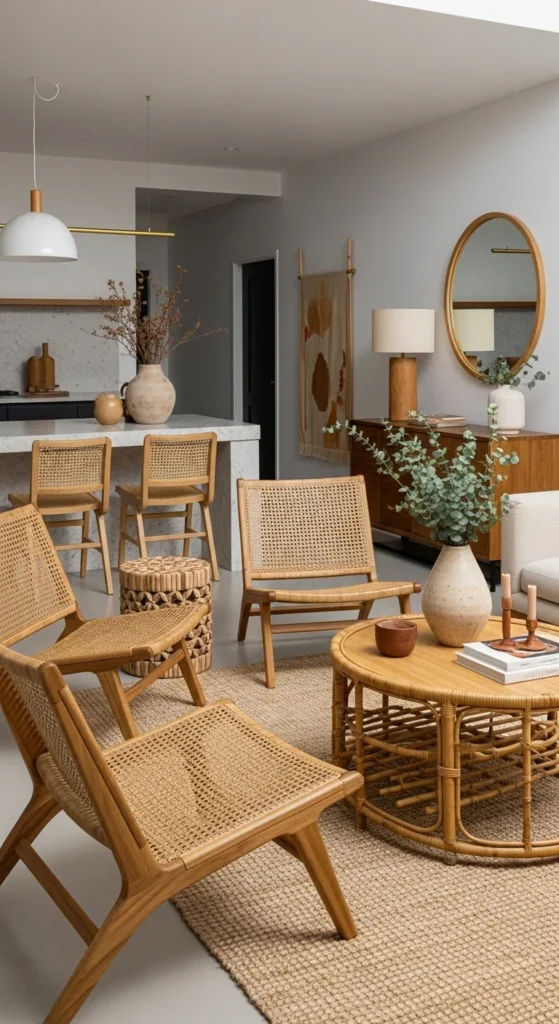
The 70s celebrated materials like rattan, jute, wicker, and stone, connecting interiors with nature and sustainability.
These materials provided both durability and warmth, contributing to the era’s earthy and organic aesthetic.
Modern interpretations include woven chairs, rattan coffee tables, and jute rugs that enhance comfort and retro appeal.
Stone accents, from countertops to planters, offer texture and depth that complement warm color palettes.
Combining natural materials with sleek, modern elements balances retro inspiration with contemporary style effortlessly.
Textured surfaces add visual and tactile interest, creating inviting spaces for both socializing and relaxation.
Using natural materials thoughtfully allows a modern 70s-inspired home to remain stylish, comfortable, and authentic.
11. Bold Accent Chairs and Lounge Seating
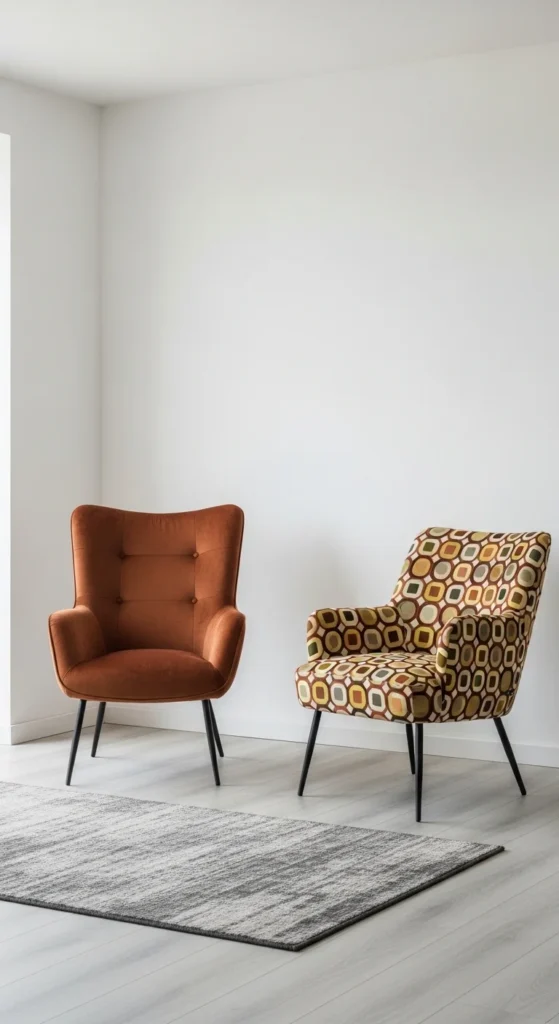
Statement chairs in velvet, leather, or geometric patterns were essential in 70s interiors for visual impact.
These chairs provided comfort while acting as focal points that reflected the owner’s personal style and taste.
Modern spaces can use one or two bold chairs to create conversation zones or highlight specific areas.
Pairing retro chairs with neutral sofas or minimalist surroundings ensures the room feels balanced and cohesive.
Choosing chairs in rich colors or textures adds depth and personality to living rooms or bedrooms effortlessly.
Accent chairs also allow flexibility, as they can be relocated or combined with other furniture for functional arrangements.
Strategic placement transforms ordinary seating into memorable, design-forward elements that honor the 70s aesthetic.
12. Sunken Living Rooms
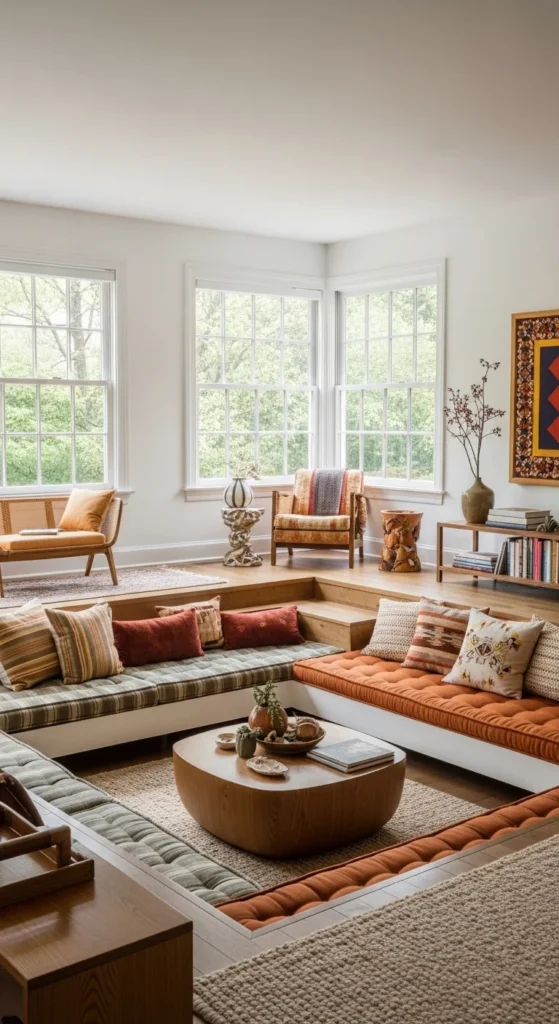
Sunken living rooms were a 70s trend designed to create intimate, cozy spaces for social interaction and relaxation.
A lowered floor created natural zones that encouraged family gatherings, lounging, and entertaining guests comfortably.
Modern homes can replicate this feeling using rugs, layered platforms, or slightly lowered seating arrangements.
Sunken areas emphasize conversation while distinguishing different functional zones without adding walls or partitions.
Textiles, cushions, and low-profile furniture enhance the retro aesthetic while maintaining modern comfort.
Lighting strategically placed around the sunken space highlights textures, patterns, and depth effectively.
By blending retro design with contemporary functionality, sunken living areas bring nostalgia without compromising usability.
13. Funky Mirrors and Wall Decor
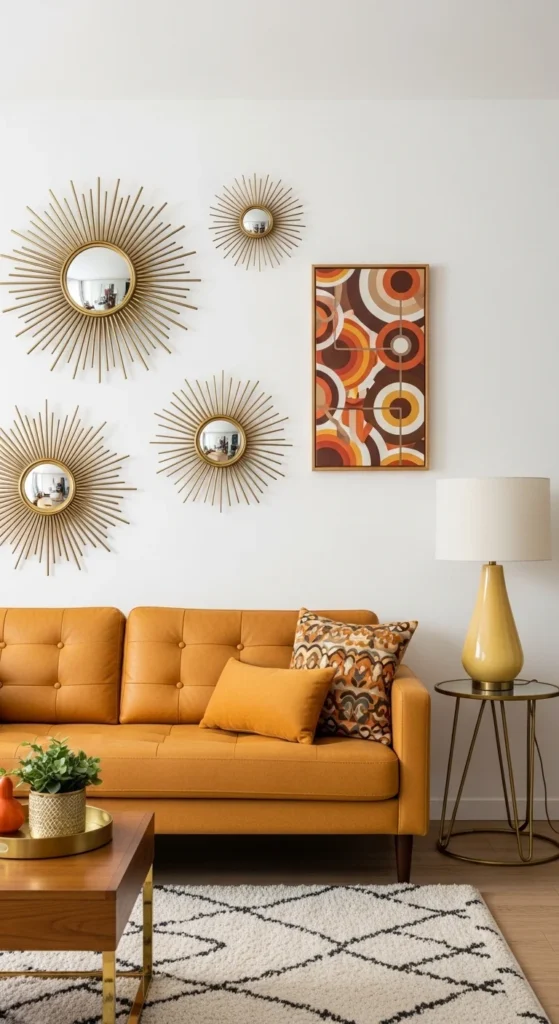
Starburst mirrors and abstract wall art were signature elements of 70s interior design, adding bold visual statements to any room.
These decorative pieces transformed plain walls into eye-catching features that reflected the era’s love for creativity and flair.
Modern homes can incorporate retro mirrors or wall art as focal points while maintaining balanced surroundings.
Placement above sofas, mantels, or sideboards draws attention and adds depth without overwhelming the space.
Mixing metal, wood, or colored finishes ensures harmony with other 70s-inspired decor elements in the room.
Wall decor also allows homeowners to personalize spaces with patterns, textures, and shapes reminiscent of the 70s.
Strategic use of mirrors enhances natural light, making interiors appear brighter and more spacious while celebrating retro style.
14. Indoor Plants and Green Corners
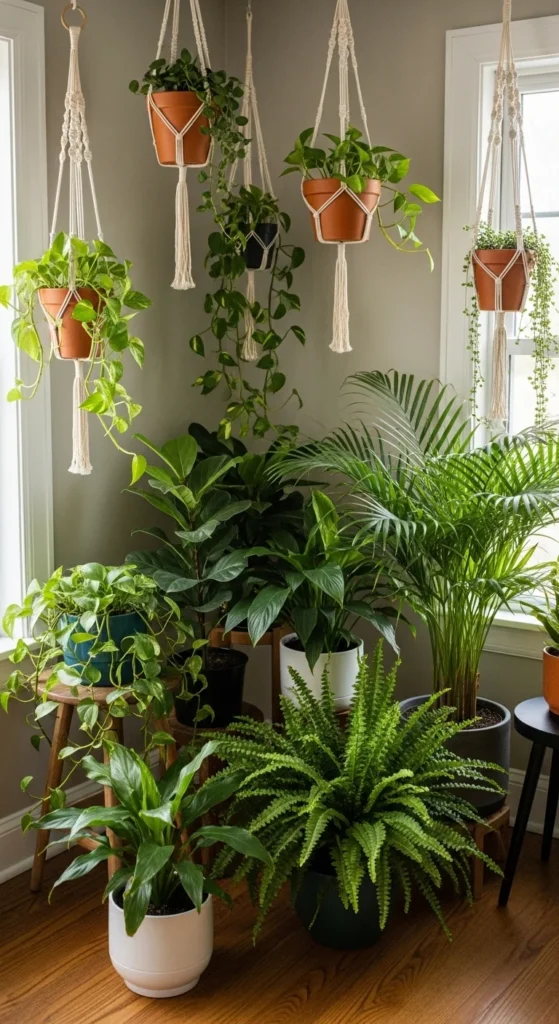
Houseplants were a defining feature of 70s interiors, bringing life, texture, and natural beauty indoors.
Plants like ferns, palms, and pothos added greenery that complemented earthy color palettes and natural materials.
Modern interpretations use a mix of floor plants, hanging planters, and tabletop arrangements to create dynamic green corners.
Vintage or macrame plant holders amplify the retro aesthetic while connecting with natural design elements.
Indoor greenery improves air quality and encourages a relaxing, calming atmosphere in any room.
Positioning plants near windows or in layered arrangements enhances both light distribution and visual interest.
Thoughtful integration of indoor plants creates spaces that feel organic, nostalgic, and welcoming without appearing cluttered.
15. Retro Kitchen Designs
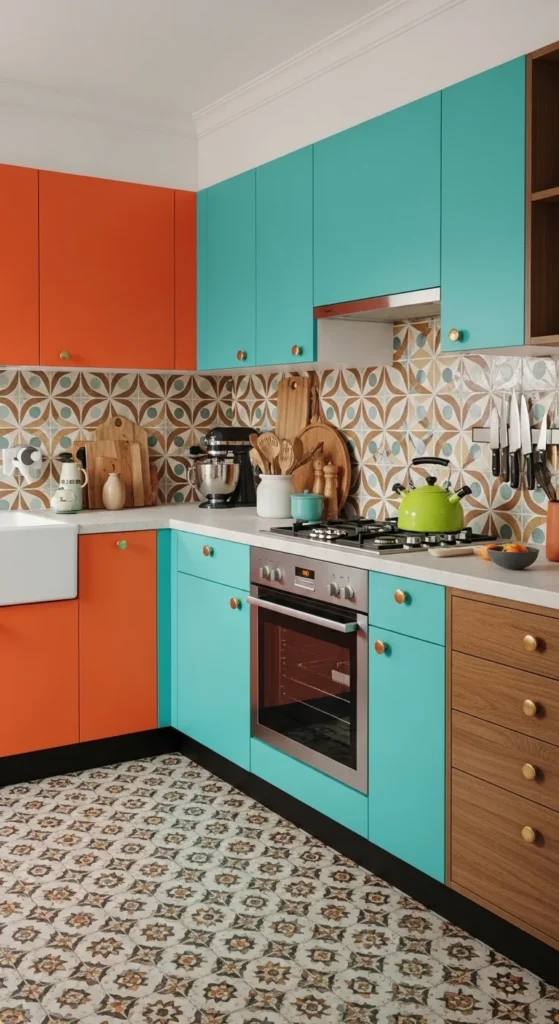
Kitchens in the 70s often featured bold cabinetry colors, geometric tiles, and playful patterns that became design focal points.
Cabinet colors like orange, turquoise, or avocado paired with neutral countertops created visually stimulating cooking areas.
Geometric or patterned backsplashes added depth and personality to otherwise functional spaces.
Modern adaptations use retro-inspired tiles, updated appliances, or accent colors to recreate the 70s look without sacrificing efficiency.
Incorporating wooden or metallic elements provides warmth and texture while maintaining contemporary practicality.
Balancing bold design with functional layouts ensures the kitchen remains inviting, usable, and visually appealing.
Retro kitchens today offer a perfect blend of nostalgia, style, and modern convenience for any home.
16. Multi-Purpose Spaces
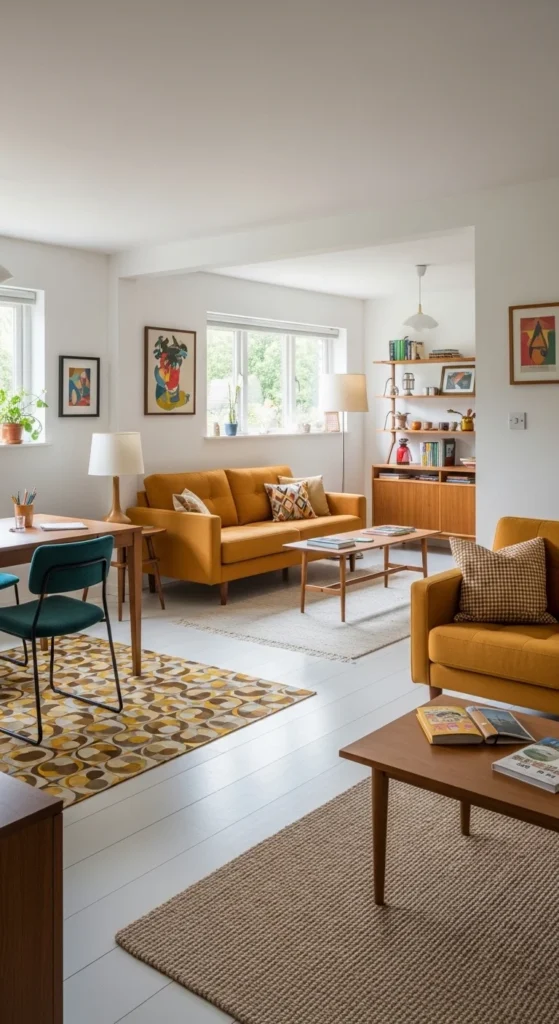
Open-plan layouts were popular in 70s homes, allowing spaces to serve multiple functions efficiently.
Living, working, and lounging areas often blended seamlessly with minimal partitions while maintaining a sense of cohesion.
Modern homeowners can adopt this approach using modular furniture, area rugs, and versatile seating arrangements.
Designing multi-purpose spaces encourages creativity in organization, making rooms feel larger and more functional.
Layering textures, colors, and retro decor elements unifies distinct zones while preserving individuality in each area.
Careful use of dividers, shelving, or subtle color shifts helps delineate spaces without compromising openness.
A thoughtful multi-purpose layout maximizes utility while celebrating the playful, flexible spirit of 70s interior design.
17. Textured Ceilings and Wall Treatments
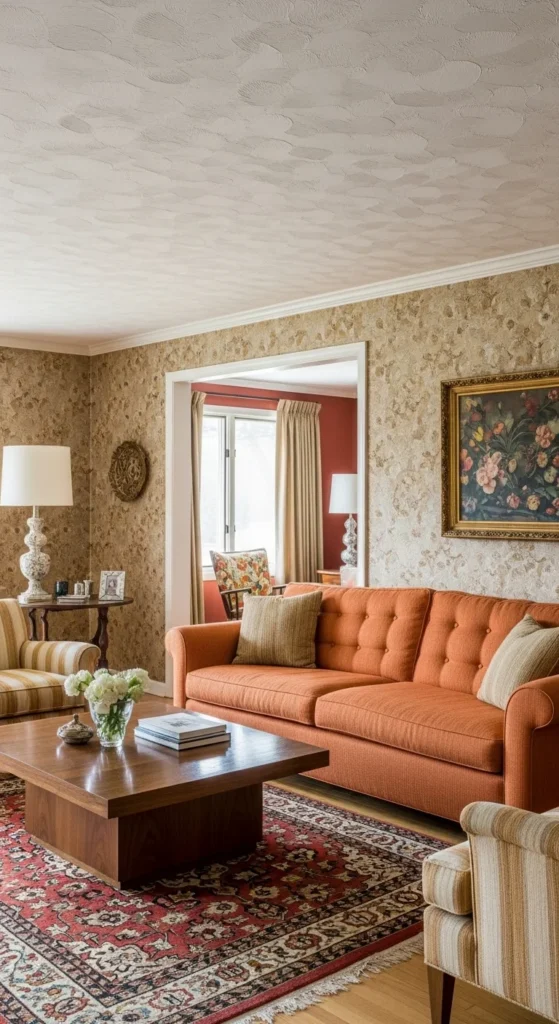
Popcorn ceilings, textured paints, and decorative plaster were common in 70s interiors, adding dimension and tactile interest.
These surfaces provided visual intrigue while complementing bold color schemes and eclectic furnishings of the era.
Modern homes can reinterpret these treatments subtly through textured wallpapers, panels, or accent ceilings.
Using texture strategically enhances depth, making rooms feel layered and thoughtfully designed without overwhelming occupants.
Textured walls also allow for contrast with smooth furniture, textiles, and flooring, emphasizing retro-modern harmony.
Layering textures throughout a space creates a rich, sensory environment reminiscent of classic 70s interiors.
By updating techniques and finishes, textured surfaces can highlight retro charm while feeling fresh and contemporary.
Final Wrap-Up:
70s interior design offers a vibrant, nostalgic, and creative approach to decorating modern spaces with personality.
From earthy color palettes to bold geometric patterns, each element contributes to warmth, style, and visual intrigue.
Incorporating statement furniture, retro textiles, and natural materials allows homeowners to embrace the past thoughtfully.
Balancing vintage aesthetics with contemporary functionality ensures spaces feel comfortable, inviting, and cohesive.
Even small touches like macrame hangings, indoor plants, or statement lighting can transform a room with retro charm.
By selecting key elements that resonate personally, anyone can create a home that reflects individuality and timeless style.
Embracing 70s interior design today celebrates both nostalgia and modern creativity, offering endless possibilities for inspiring living spaces.