15 Insect Repelling Plants: Natural Ways to Keep Home Bug-Free

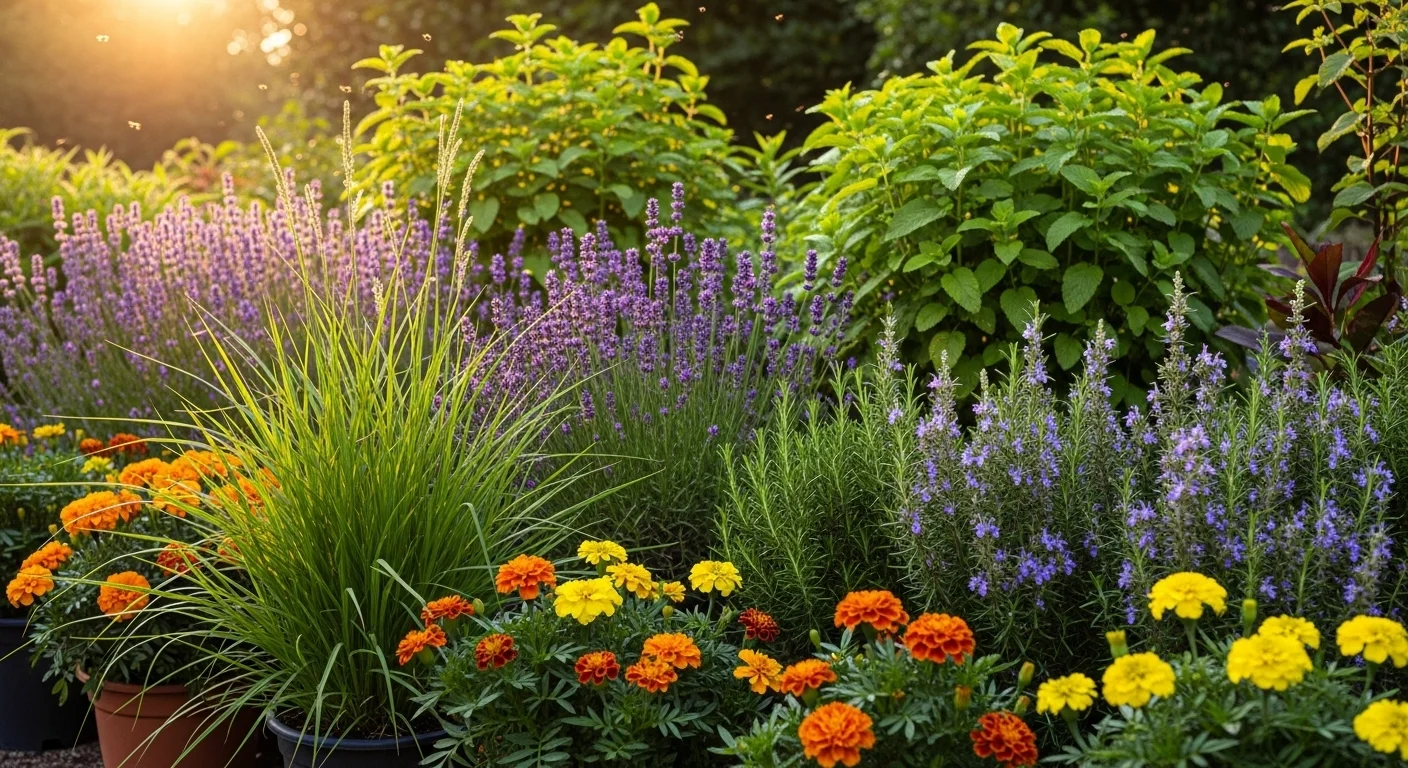
Insect-repelling plants are a natural, eco-friendly way to keep bugs away from your home and garden without using harsh chemical sprays.
They work by emitting natural scents and essential oils that discourage mosquitoes, flies, and other pests, creating a safe and pleasant environment.
Many of these plants also add aesthetic beauty to your spaces, providing color, fragrance, and texture that complement your indoor and outdoor décor.
In this article, we will explore 15 effective insect-repelling plants, along with practical tips for placing, maintaining, and creatively using them in your living spaces.
Whether you are a seasoned gardener or a beginner, these plant-based solutions provide an enjoyable, sustainable method to naturally control insects around your home.
How Insect Repelling Plants Protect Your Home and Garden
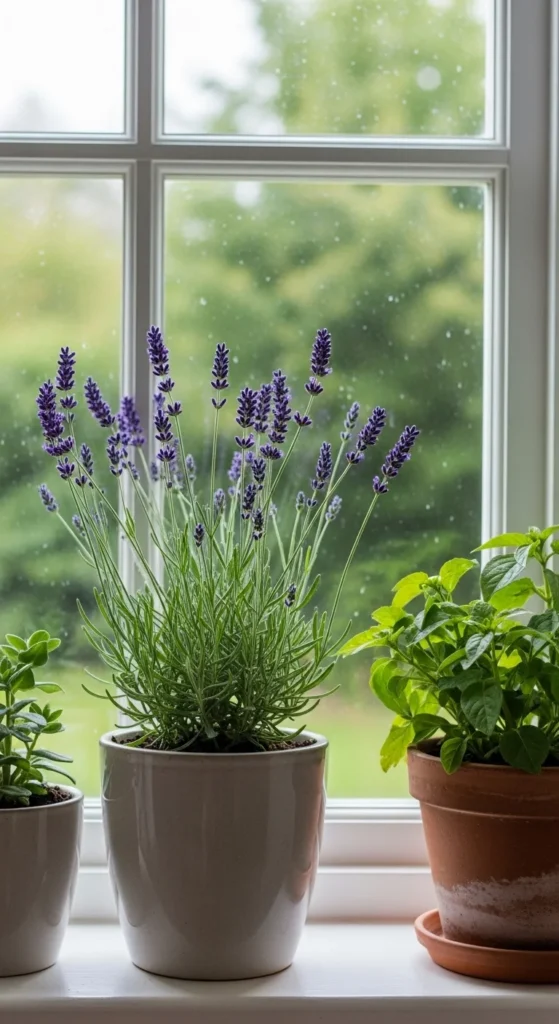
Plants that repel insects emit specific scents and oils that disrupt the sensory cues insects use to locate their targets.
For example, essential oils from lavender or citronella interfere with mosquitoes’ ability to identify humans, reducing the chances of bites.
Using plants for insect control benefits the environment by reducing chemical pesticide usage, which can harm beneficial insects and contaminate soil or water.
Certain plants also act as companion plants in gardens, helping protect vegetables and flowers from harmful pests without disrupting the ecosystem.
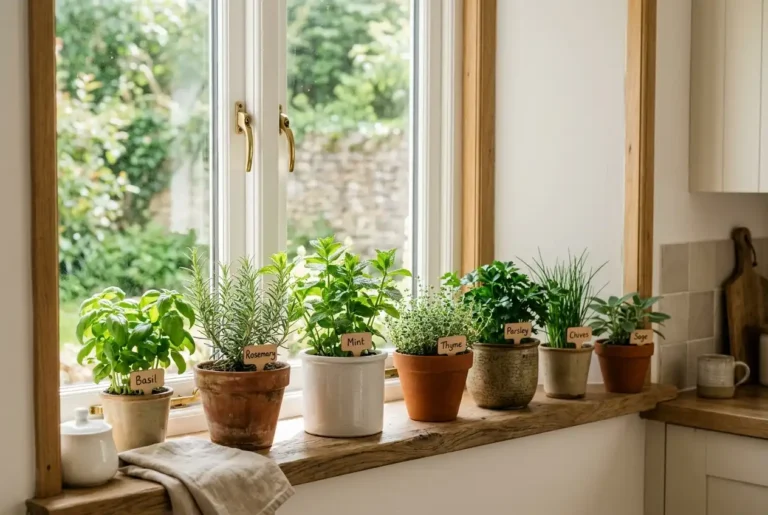
In addition, indoor placement of these plants near windows or doors provides a natural barrier that enhances comfort while maintaining fresh, pleasant aromas.
Choosing the Right Insect Repelling Plants for Your Space
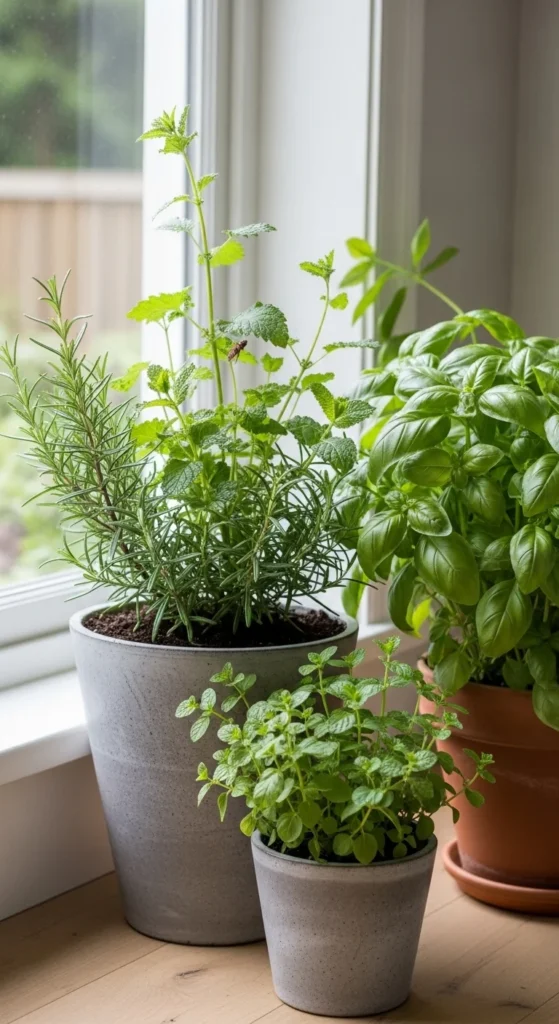
Selecting the proper plant requires consideration of indoor versus outdoor locations, sunlight availability, and climate conditions.
Some plants thrive in full sun, like citronella and rosemary, while others, such as mint or basil, can tolerate partial shade indoors.
Container planting is a practical option for controlling invasive species, managing soil quality, and moving plants for seasonal changes or sunlight optimization.
Assess the growth patterns of each plant to ensure they do not overcrowd your garden or interfere with other decorative elements.
Maintaining healthy, well-cared-for plants enhances their scent strength and ensures consistent effectiveness in repelling insects throughout the season.
1. Lavender – The Aromatic Insect Deterrent
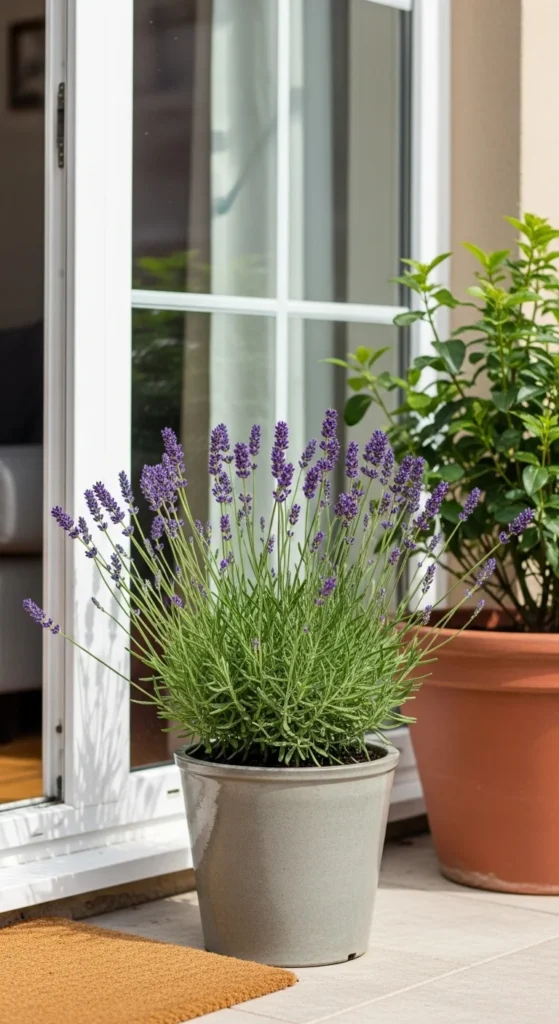
Lavender is highly valued for its strong, calming fragrance that simultaneously repels mosquitoes, flies, and moths.
Placing potted lavender near doors, windows, or patios provides a natural barrier while enhancing the aesthetic appeal of your space.
The plant thrives in full sunlight and well-drained soil, making it suitable for both container and garden planting.
Lavender oil can also be extracted from flowers to create homemade sprays or sachets that extend insect protection to indoor areas.
Its dual function as a fragrant decor element and effective natural repellent makes lavender a versatile addition to any home or garden environment.
2. Citronella Grass – The Mosquito Magnet Repellent
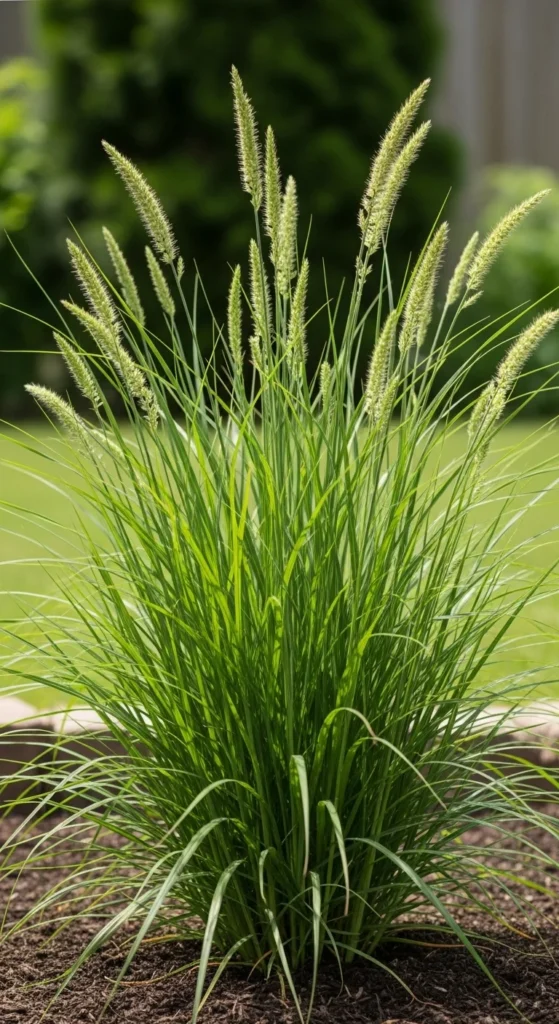
Citronella grass produces natural oils that emit a scent specifically unpleasant to mosquitoes and other flying insects.
Outdoor placement in garden borders or patio containers ensures the scent disperses effectively, creating an insect-free zone for relaxation or entertainment.
It thrives in warm, sunny conditions and benefits from regular watering and occasional pruning to maintain lush growth and maximum oil production.
Beyond its insect-repelling properties, citronella can be harvested to create natural candles or sprays, providing extra protection while enjoying outdoor spaces.
Incorporating citronella into your garden not only enhances your insect defense strategy but also contributes a vibrant, textured look to your landscape design.
3. Basil – A Multipurpose Herb That Keeps Bugs Away
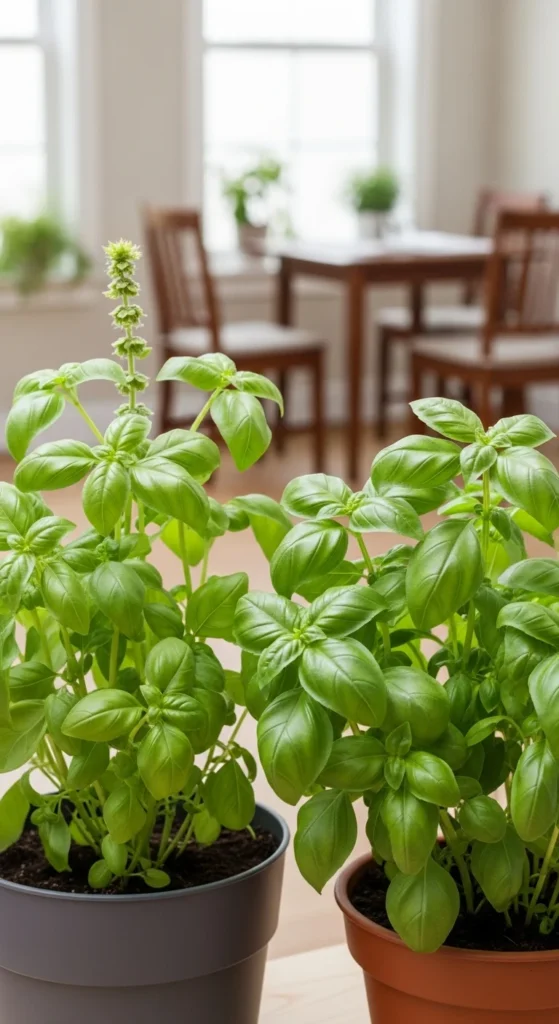
Basil plants naturally repel mosquitoes, flies, and other small pests while simultaneously serving as a flavorful culinary herb.
Placing basil pots near kitchen windows or outdoor seating areas offers dual benefits: easy access for cooking and natural insect deterrence.
Varieties like lemon basil or cinnamon basil provide stronger aromas that enhance both repelling effects and taste in recipes.
Basil grows well in containers or garden beds, requiring regular watering and sunlight to maintain healthy foliage and strong aromatic oils.
Its combination of functionality, fragrance, and edible value makes basil an indispensable plant for both insect management and home cooking enthusiasts.
4. Mint – Fresh and Protective
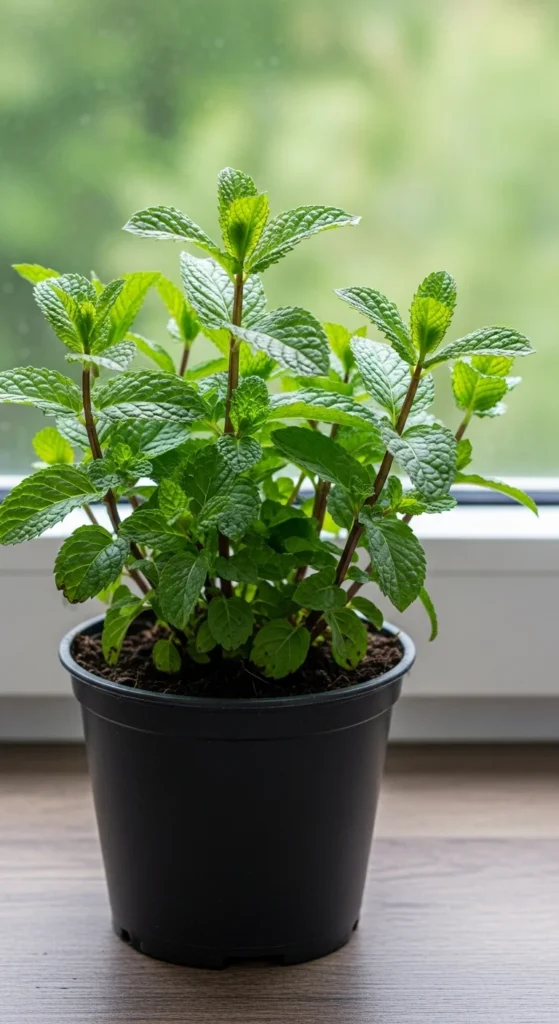
Mint emits a strong scent that effectively deters ants, mosquitoes, and other common household pests.
Container planting is recommended to prevent aggressive spreading that can take over garden beds and neighboring plants.
The plant thrives in moist soil with partial sunlight, making it adaptable for indoor windowsills or shaded outdoor areas.
Mint leaves can also be harvested for teas, garnishes, or homemade insect repellents, further extending the plant’s usefulness beyond decoration.
By combining ease of growth with practical pest-control benefits, mint offers an efficient and attractive solution for insect prevention in various settings.
5. Rosemary – Hardy and Effective
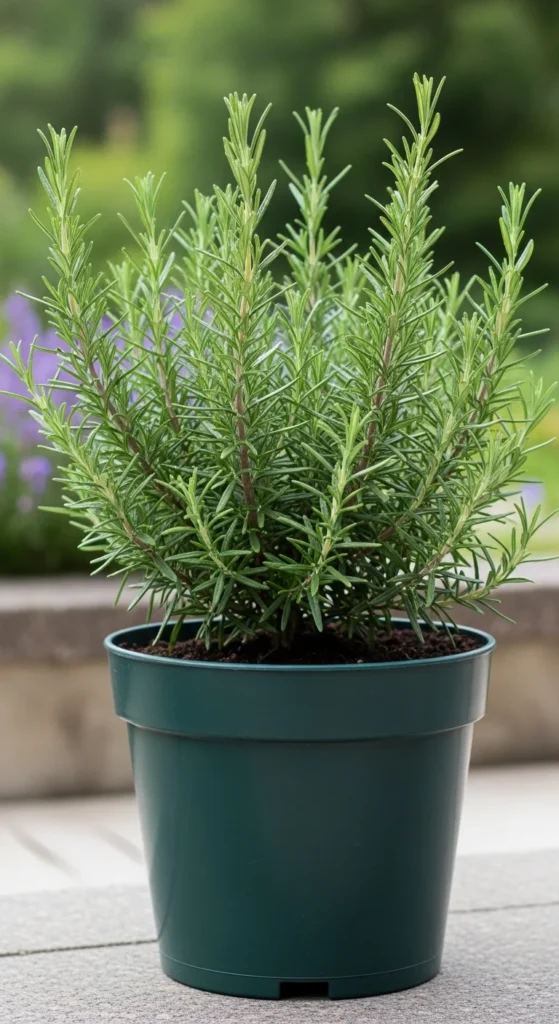
Rosemary’s strong aromatic oils naturally repel mosquitoes, flies, and other nuisance insects, particularly when placed near outdoor seating areas.
It grows best in full sun and well-drained soil, thriving in both garden beds and container setups for patios or balconies.
The plant also provides culinary value, making it a versatile addition to both indoor kitchens and decorative outdoor landscapes.
Regular pruning ensures compact growth, encourages airflow, and maximizes scent dispersal, enhancing its insect-repelling abilities consistently throughout the season.
Rosemary’s combination of durability, aroma, and multifunctional use makes it an ideal plant for anyone seeking natural, low-maintenance insect control solutions.
6. Marigold – A Colorful Pest Barrier
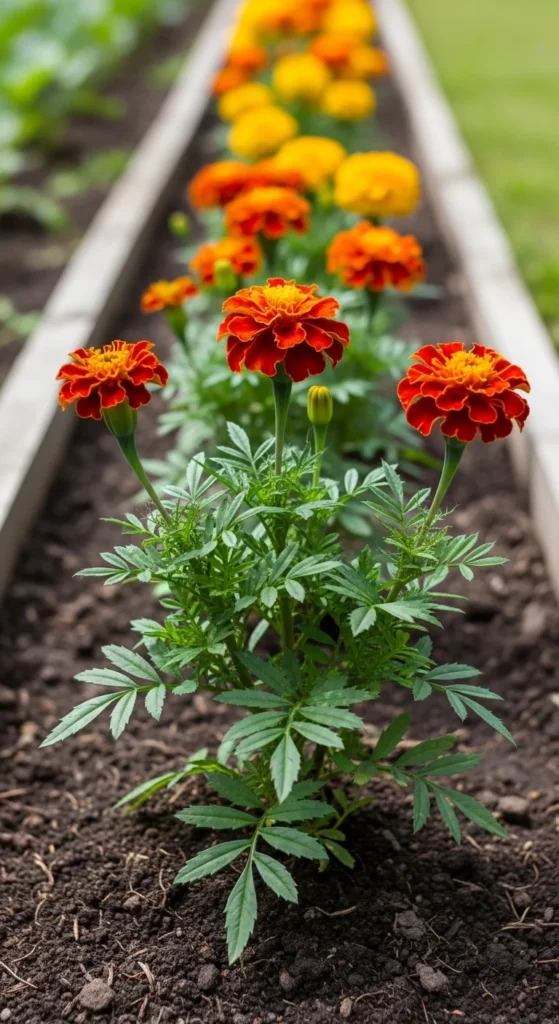
Marigolds naturally repel mosquitoes, aphids, and other common garden pests with their distinct scent and vibrant flowers.
Planting marigolds along garden borders or in vegetable beds helps protect neighboring plants from infestations without using chemical sprays.
They thrive in full sunlight and well-drained soil, making them low-maintenance and highly effective for insect control throughout the growing season.
Marigolds also attract beneficial insects such as ladybugs and hoverflies, which further enhance natural pest management in your garden.
The combination of aesthetic beauty, bright colors, and natural protective properties makes marigolds an excellent choice for any outdoor planting scheme.
7. Lemon Balm – A Natural Mosquito Shield
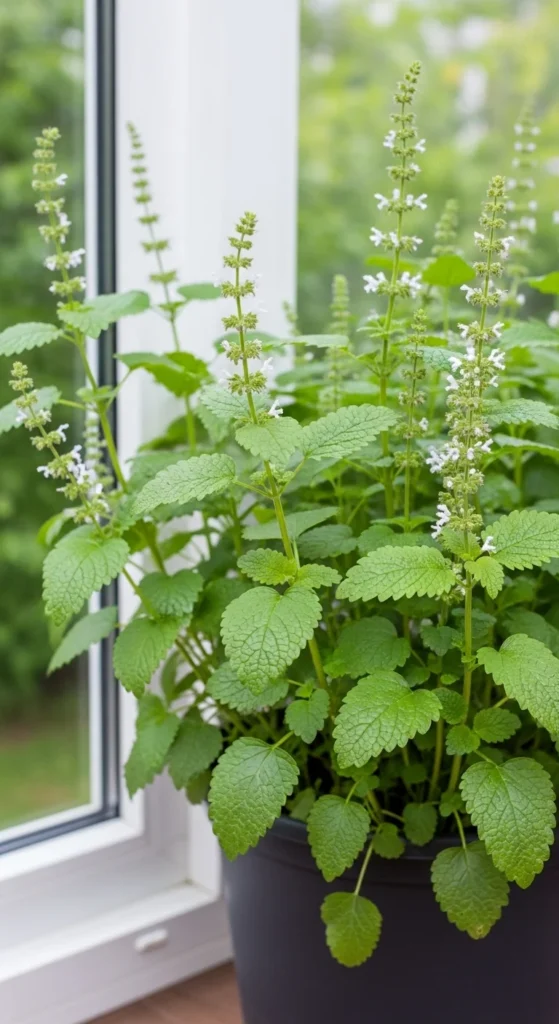
Lemon balm emits a strong, lemony scent that effectively deters mosquitoes and other flying insects in both indoor and outdoor environments.
It grows well in containers, allowing for easy relocation to patios, decks, or window areas where insect control is needed most.
Regular pruning encourages lush growth, maximizes essential oil production, and keeps the plant healthy and fragrant throughout the season.
Lemon balm leaves are also edible and can be used in teas, desserts, or salads, offering a dual benefit for both pest control and culinary enjoyment.
By combining practicality, aroma, and versatility, lemon balm serves as an ideal natural solution for insect management in living spaces.
8. Catnip – Powerful Yet Pet-Friendly
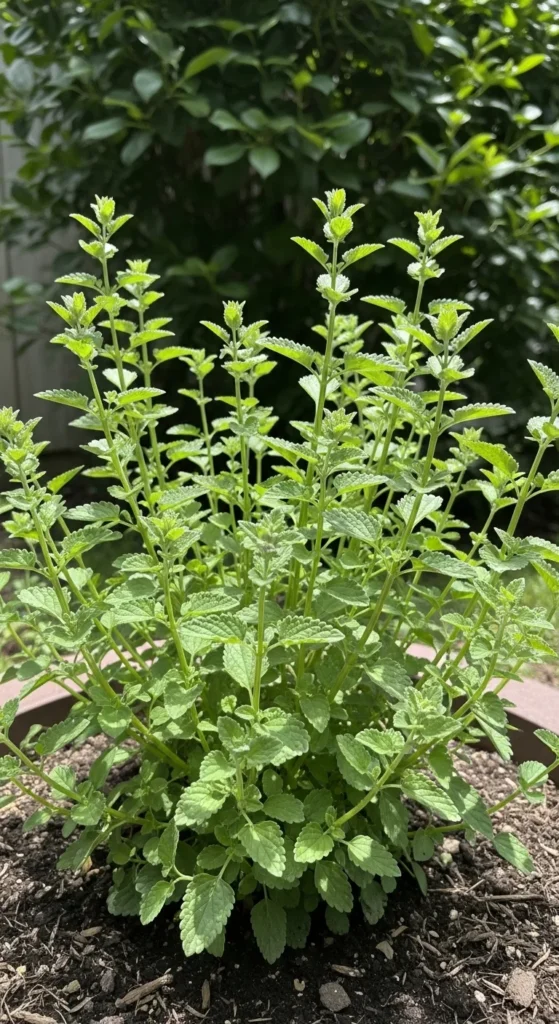
Catnip is highly effective at repelling mosquitoes, sometimes outperforming conventional chemical repellents in natural settings.
While it attracts cats, planting it in controlled containers prevents uncontrolled spreading and ensures it doesn’t overtake garden areas.
The plant thrives in full sunlight with well-drained soil, requiring minimal care to maintain strong aromatic oils that deter insects consistently.
In addition to its pest-repelling abilities, catnip can serve as enrichment for pets, offering entertainment and stimulation for cats at home.
This combination of strong insect protection and pet-friendly benefits makes catnip a uniquely functional and appealing choice for gardeners.
9. Garlic – The Subtle Pest Fighter
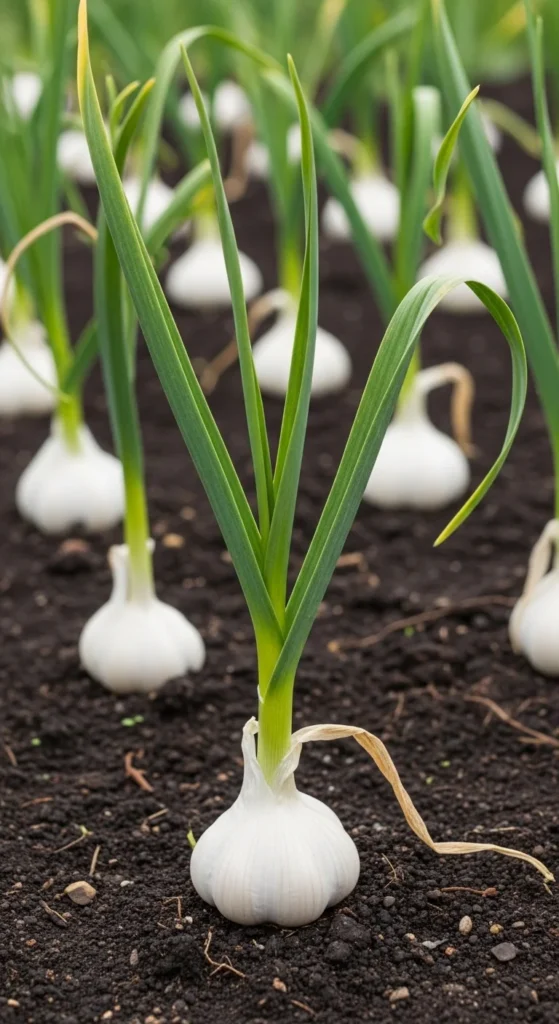
Garlic produces sulfur compounds that repel aphids, mosquitoes, and other unwanted insects when planted near vegetables or ornamental flowers.
Spacing garlic bulbs properly and maintaining healthy soil ensures strong growth and optimal pest-repelling effectiveness throughout the season.
In addition to insect control, garlic offers culinary and medicinal benefits, making it a multifunctional plant for home gardeners.
Companion planting garlic with susceptible plants like roses or tomatoes enhances natural protection without introducing synthetic chemicals.
Its subtle, natural properties, ease of cultivation, and dual purpose make garlic an essential choice for sustainable garden management.
10. Chrysanthemums – The Elegant Insect Repellent
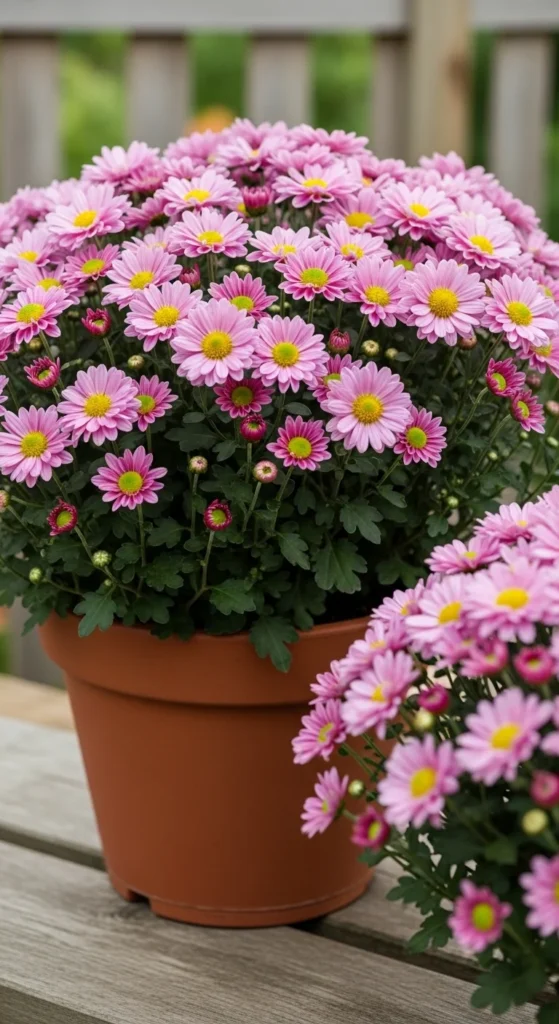
Chrysanthemums contain natural pyrethrins, which repel fleas, ticks, and mosquitoes effectively while providing vibrant garden aesthetics.
They are ideal for container planting, garden borders, or flower beds where insect protection and beauty are both desired.
Caring for chrysanthemums requires moderate sunlight, well-drained soil, and occasional pruning to ensure prolonged blooms and strong scent dispersal.
These flowers attract beneficial insects that contribute to a balanced garden ecosystem, further reducing pest presence without additional intervention.
By combining elegance, natural protection, and environmental benefits, chrysanthemums serve as both decorative and functional insect-repelling plants for outdoor spaces.
11. Pennyroyal – Tiny but Mighty
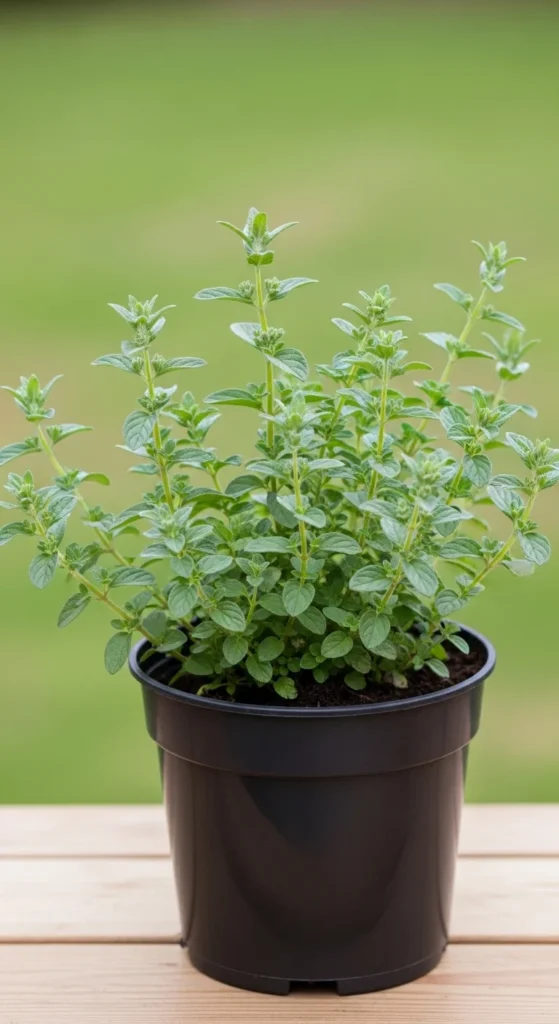
Pennyroyal is a small herb that emits essential oils highly effective at repelling mosquitoes and other flying insects.
It grows best in containers, allowing you to control its spread and place it where insect protection is most needed.
Care must be taken with pennyroyal, especially around children and pets, as its oils can be toxic if ingested in large amounts.
Regular trimming encourages new growth and maximizes aromatic oil production, enhancing its ability to repel pests naturally.
This tiny plant offers a surprisingly strong defense against insects while adding greenery and fragrance to both indoor and outdoor spaces.
12. Sage – Aromatic and Beneficial
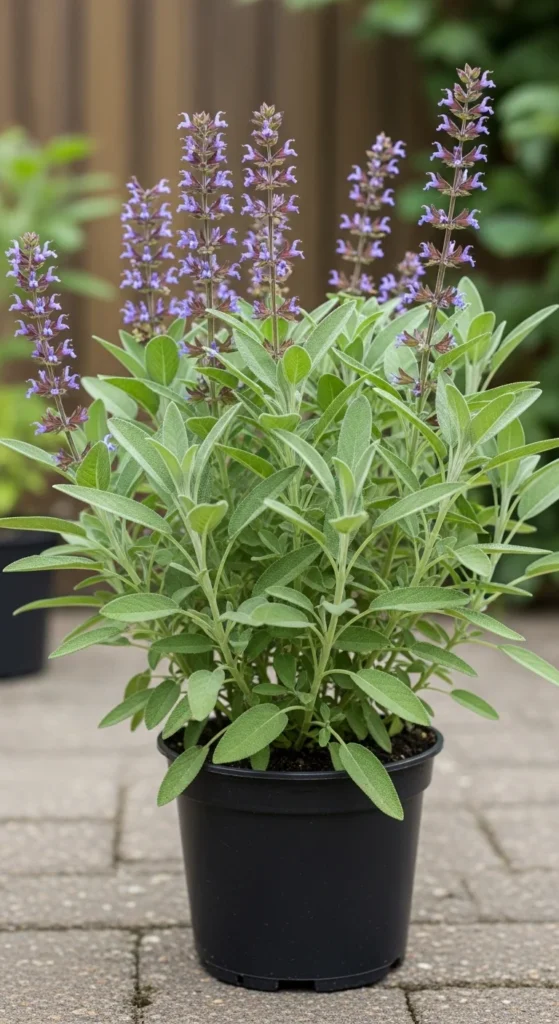
Sage emits a pungent, earthy scent that effectively deters mosquitoes, flies, and other common pests.
It thrives in well-drained soil with full sun exposure and is easy to grow both indoors in pots and outdoors in garden beds.
Sage leaves can also be used for culinary purposes, making it a dual-purpose plant that benefits both the home and garden.
Regular pruning ensures the plant remains compact and enhances the dispersal of its protective aromatic oils throughout the surrounding area.
By combining functionality, aroma, and culinary value, sage is a practical and appealing choice for insect management in any space.
13. Eucalyptus – Tall, Scented, and Effective
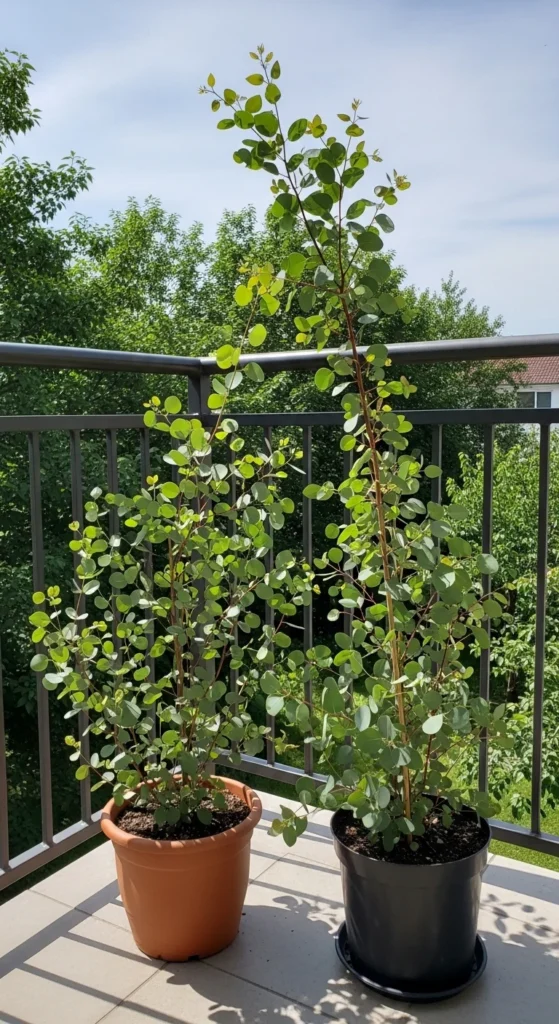
Eucalyptus trees or potted varieties produce aromatic leaves that naturally repel mosquitoes and other insects.
Placing potted eucalyptus on patios, balconies, or garden edges provides an additional layer of protection in outdoor spaces.
Eucalyptus oil can also be extracted for homemade sprays or diffusers, extending its insect-repelling benefits indoors.
This plant thrives in full sunlight with adequate water and can grow tall, adding vertical interest and shade to your garden.
Combining height, scent, and multi-use applications makes eucalyptus a highly effective natural option for insect deterrence.
14. Petunia – Beautiful and Protective
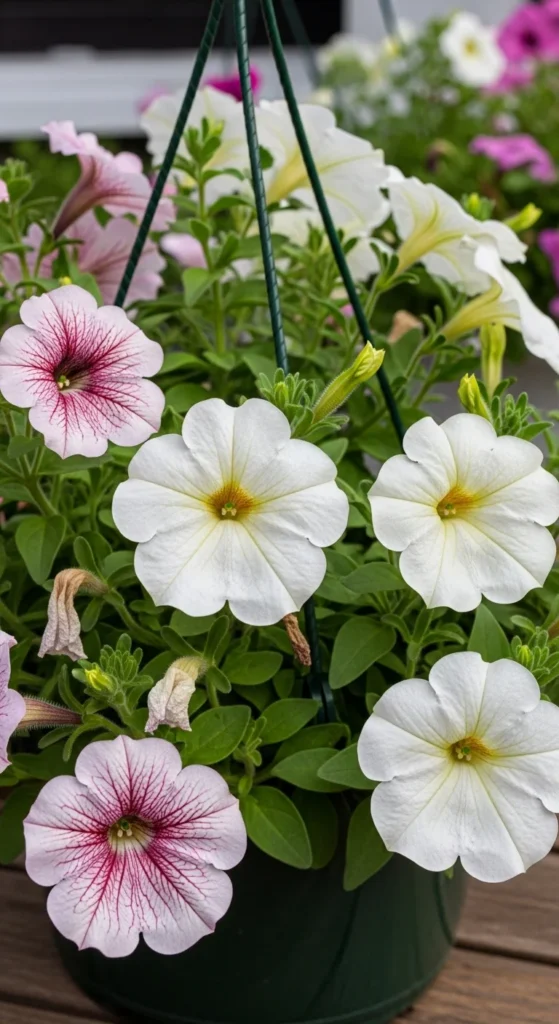
Petunias are not only visually striking but also repel leafhoppers, aphids, and other common garden pests.
They perform well in garden beds, hanging baskets, or container arrangements, providing both protection and decorative value.
Regular watering and sunlight exposure help petunias maintain vibrant blooms while continuing to deter insects naturally.
These flowers create a lively, colorful atmosphere while serving a functional purpose in pest management strategies.
By combining beauty and insect-repelling capabilities, petunias enhance both aesthetics and practical pest control in gardens.
15. Bay Laurel – Subtle yet Strong Repellent
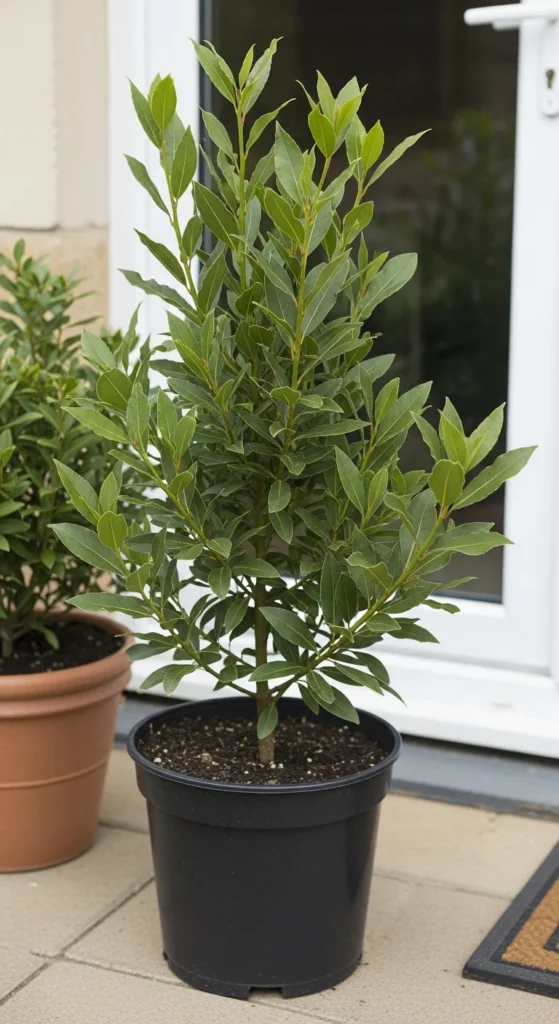
Bay laurel leaves produce a subtle scent that helps keep flies and other small insects at bay.
It thrives in pots or garden beds, and regular pruning helps maintain a desirable shape and encourages consistent aroma release.
Fresh or dried bay leaves can be used in cooking, adding a culinary advantage to its insect-repelling properties.
Placing bay laurel near entrances, windows, or patios provides gentle but effective protection against nuisance insects in your living spaces.
This plant’s combination of subtle fragrance, culinary use, and natural pest control makes it a valuable addition to any garden or home.
Maintaining Insect Repelling Plants for Maximum Effectiveness
Healthy, well-cared-for plants maximize their ability to repel insects and remain visually appealing throughout the season.
Proper watering, sunlight exposure, and soil maintenance are essential for sustaining plant growth and aromatic oil production.
Pruning and repotting when necessary encourage new growth, improve airflow, and enhance scent dispersal.
Rotating or replacing plants seasonally ensures consistent protection while keeping your indoor and outdoor spaces fresh and vibrant.
Regular attention to plant health ensures your insect-repelling strategy is effective, sustainable, and visually attractive all year round.
Wrapping It Up
Insect-repelling plants provide an eco-friendly, effective, and aesthetically pleasing way to protect your home and garden from pests.
By selecting the right plants and placing them strategically, you can enjoy reduced insect activity while enhancing your living spaces naturally.
Combining multiple plant types, maintaining healthy growth, and experimenting with indoor and outdoor arrangements maximizes both protection and beauty.
These 15 plants, from lavender to bay laurel, offer practical solutions that are safe, sustainable, and enjoyable for any homeowner or gardener.
Embracing these natural options allows you to create a welcoming, pest-free environment without relying on harsh chemicals or synthetic sprays.