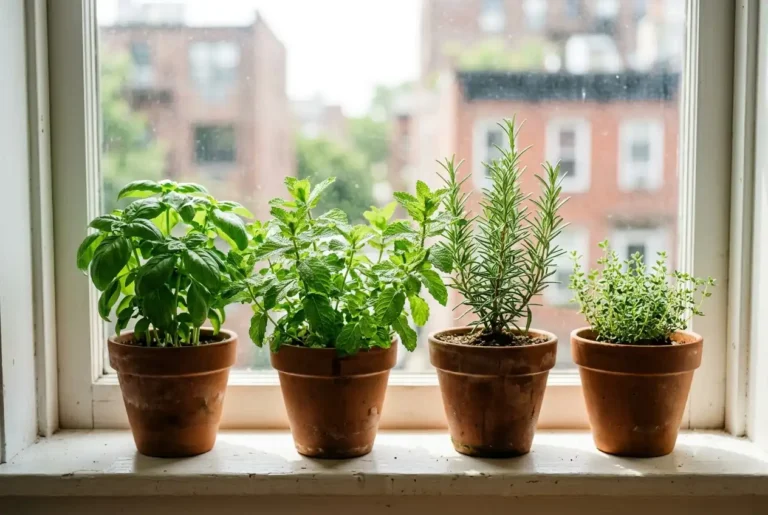
How to Start a Garden: Complete Beginner’s Guide to Success

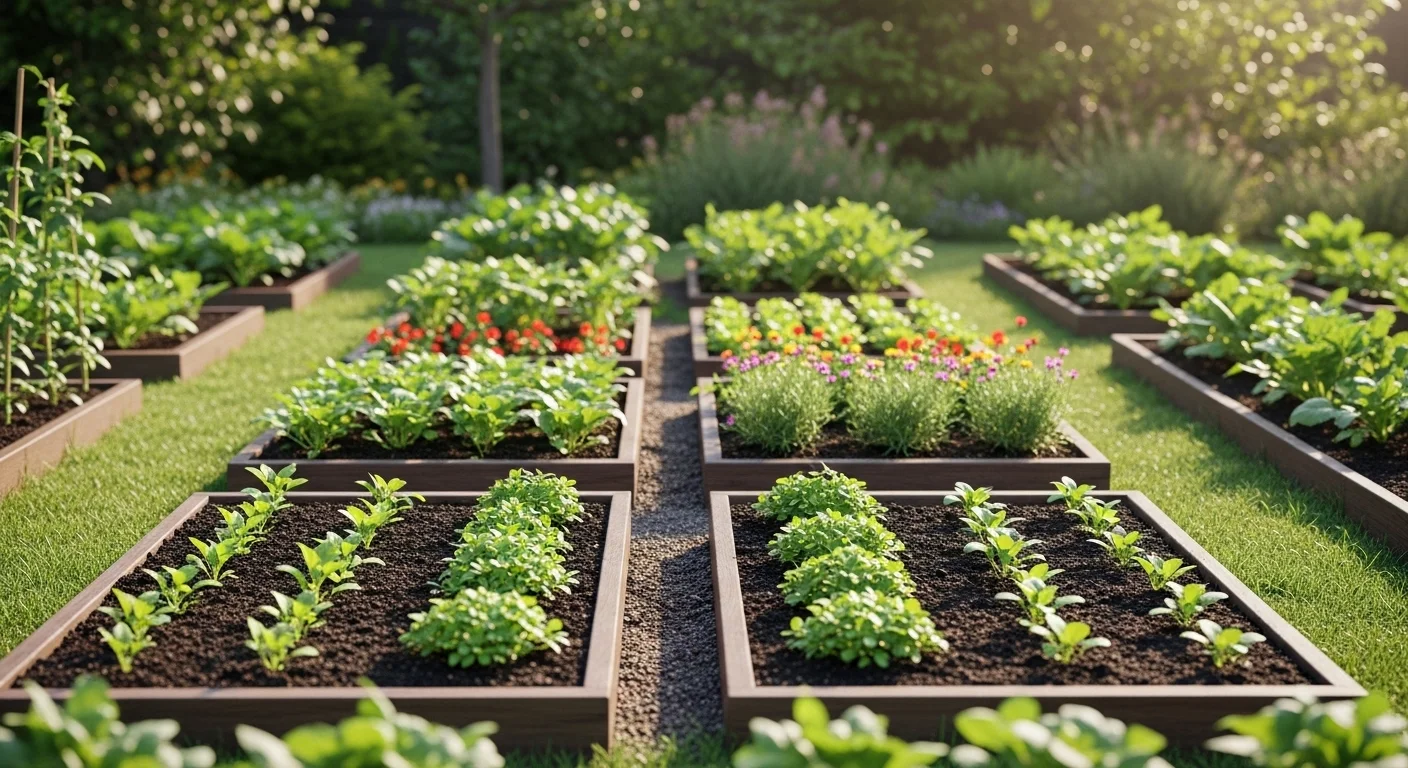
Starting a garden involves selecting a suitable location with adequate sunlight and well-draining soil, choosing plants appropriate for your climate and space, and preparing the soil with compost or organic matter. Regular watering, fertilization, and monitoring for pests help ensure a healthy and thriving garden.
Starting a garden is one of the most rewarding activities you can undertake, offering both physical and mental benefits.
Whether you are a beginner or someone looking to refine your gardening skills, taking the first step is crucial.
Gardening encourages mindfulness, provides access to fresh produce, and adds natural beauty to any home environment.
Understanding how to start a garden requires planning, preparation, and a clear sense of your personal goals.
With thoughtful strategies and practical guidance, you can transform any outdoor or indoor space into a thriving, productive garden.
Understanding Your Gardening Goals
Before planting anything, it is essential to define your gardening objectives clearly, considering space, time, and climate.
Deciding whether you want a vegetable, herb, flower, or mixed garden helps narrow down your plant choices effectively.
Setting realistic expectations ensures you remain motivated and can avoid unnecessary frustration during the early stages of gardening.
Take into account the seasonal changes and environmental conditions in your area to determine which plants will thrive best.
Proper goal-setting allows you to align your gardening efforts with achievable results, making your first garden experience both rewarding and manageable.
Preparing Your Garden Space
Choosing the right location for your garden is vital to ensure healthy plant growth and easy maintenance throughout the year.
Observe sunlight patterns, soil quality, and accessibility when selecting a space to maximize your garden’s potential.
Clearing weeds, testing the soil, and incorporating organic compost prepares the ground for strong and healthy plants.
For limited spaces, container gardening or vertical planters provide an excellent solution, allowing you to grow efficiently.
Proper preparation lays a solid foundation, ensuring that your plants establish well and flourish from the very beginning.
Choosing the Right Plants for Your Garden
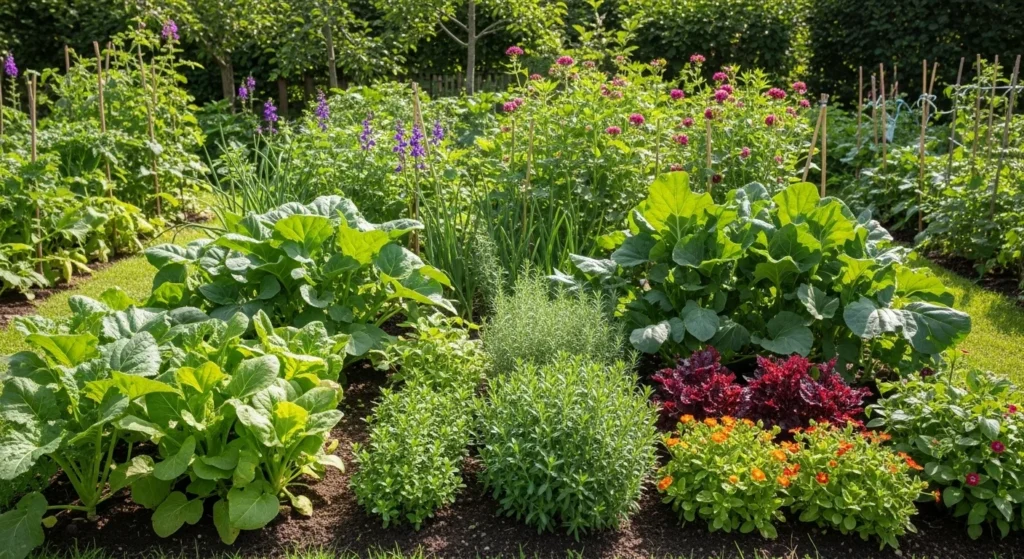
Selecting the right plants is crucial to ensure your garden thrives and remains manageable throughout the seasons.
Start with plants that suit your climate and soil type, as well as your gardening experience level.
Beginner-friendly options include easy-to-grow vegetables, herbs, or flowers that require minimal maintenance and offer quick results.
Consider companion planting techniques, which involve pairing plants that support each other’s growth and naturally deter pests.
Research the growth patterns and sunlight requirements of each plant to avoid overcrowding and competition for resources.
By making informed plant choices, you establish a strong foundation that encourages healthy growth, reduces maintenance struggles, and ensures long-term success.
Understanding Watering and Irrigation Needs
Proper watering is essential to promote strong root development and overall plant health in any garden environment.
Avoid overwatering, as excessive moisture can lead to root rot, fungal growth, and weakened plants prone to disease.
Consider drip irrigation or self-watering containers to provide consistent moisture while conserving water and reducing maintenance time.
Rainwater collection systems can also be utilized to naturally hydrate your garden without relying solely on tap water.
Observe your plants regularly to monitor signs of over or under-watering, adjusting schedules to match seasonal and environmental conditions.
Effective watering techniques help your garden flourish, conserve resources, and create a more sustainable and resilient growing environment.
Learning About Soil and Fertilization
Healthy soil is the backbone of any thriving garden, providing essential nutrients for plants to grow strong and vibrant.
Test your soil’s pH and nutrient levels to determine what amendments are necessary for optimal plant growth.
Incorporate organic matter, compost, and natural fertilizers to enrich the soil, improve drainage, and retain moisture effectively.
Mulching around plants not only conserves water but also suppresses weeds and stabilizes soil temperature.
Regularly monitoring soil health ensures your plants receive consistent nutrition, which promotes strong roots, lush foliage, and abundant blooms or produce.
By focusing on soil quality, gardeners can prevent problems before they start and create a sustainable environment for long-term growth.
Managing Pests and Plant Health Naturally

Maintaining plant health requires careful observation and proactive management to prevent pests and diseases from causing damage.
Identify common garden pests early, and utilize natural remedies like companion planting, neem oil, or insecticidal soap to protect plants.
Proper spacing between plants promotes airflow, reduces moisture buildup, and helps prevent fungal or bacterial diseases.
Crop rotation and diverse planting strategies can naturally minimize pest populations while maintaining soil fertility.
Encourage beneficial insects, such as ladybugs and bees, which enhance pollination and naturally control harmful pests.
By managing plant health with natural techniques, gardeners maintain thriving gardens while avoiding harsh chemicals that could disrupt the ecosystem.
Planning for Seasonal Gardening
Understanding seasonal planting helps maximize growth and ensures your garden produces a continuous yield throughout the year.
Rotate crops to maintain soil fertility and reduce the buildup of pests or diseases in specific areas.
Adapt your planting schedule to your local climate, ensuring cold-sensitive plants are protected or grown during warmer months.
Indoor gardening techniques, like starting seedlings or growing herbs in containers, allow year-round cultivation regardless of outdoor conditions.
Seasonal planning helps beginners anticipate challenges, schedule maintenance effectively, and enjoy a productive garden across multiple seasons.
By aligning your gardening activities with seasonal rhythms, you can maintain a healthy, flourishing garden with minimal stress and maximum results.
Innovative Gardening Techniques for Beginners
Exploring innovative gardening techniques can help maximize space, increase productivity, and make gardening more enjoyable.
Vertical gardening allows you to grow plants upward instead of outward, ideal for small yards or patios with limited ground space.
Raised beds improve drainage, provide better soil quality, and reduce bending or back strain, making garden maintenance easier and more efficient.
Hydroponic systems offer a soil-free alternative, allowing plants to grow in nutrient-rich water for faster, controlled growth.
Experimenting with these methods allows beginners to discover what works best for their environment, available space, and lifestyle preferences.
Integrating modern techniques into your garden encourages creativity, boosts plant health, and offers long-term sustainability and productivity.
Tracking Progress and Staying Motivated
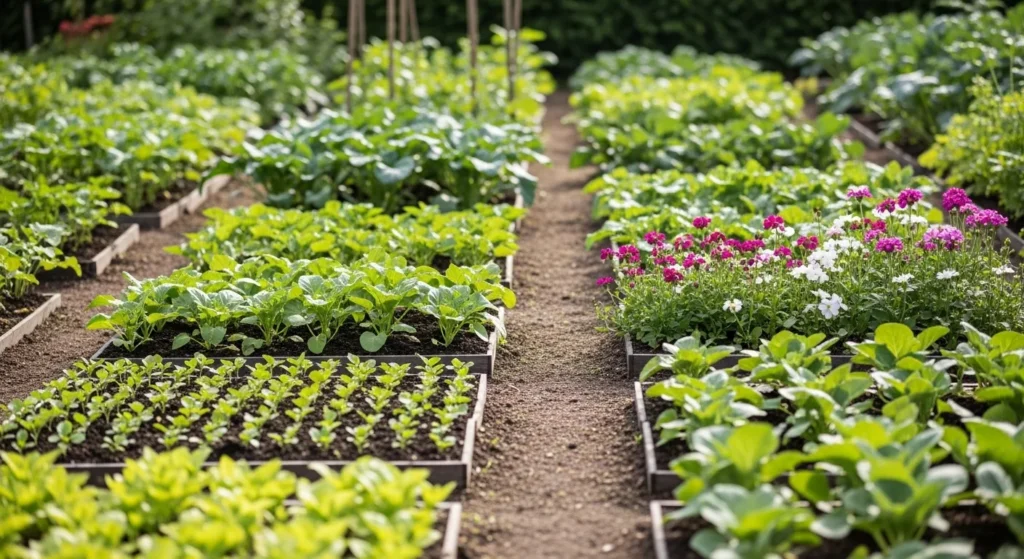
Keeping track of your garden’s progress is key to identifying growth patterns, seasonal adjustments, and overall success.
Maintain a garden journal to record planting dates, watering schedules, harvest timelines, and pest observations for future reference.
Regular monitoring helps you identify early signs of plant stress or disease and adjust care routines accordingly.
Celebrating small victories, like the first bloom or harvest, reinforces motivation and encourages ongoing involvement in gardening activities.
Digital tools and apps can supplement journals, providing reminders, weather tracking, and planting guidance to streamline garden management.
Tracking progress transforms gardening from a simple hobby into a structured, rewarding practice that consistently yields positive results.
Harvesting and Using Your Garden Produce
Knowing when and how to harvest your plants ensures maximum freshness, flavor, and nutritional value for your produce.
Vegetables, fruits, and herbs should be picked at their peak maturity, avoiding overripe or underdeveloped stages that affect quality.
Gently handling plants during harvesting prevents damage, encourages regrowth, and extends the productive lifespan of certain crops.
Consider storage solutions such as refrigeration, freezing, or drying to preserve your garden’s yield for future use.
Sharing your produce with friends, family, or neighbors strengthens community bonds and encourages continued interest in gardening.
By harvesting effectively, your garden rewards you with both culinary satisfaction and a deeper connection to your cultivation efforts.
Troubleshooting Common Gardening Challenges
Every gardener encounters challenges such as slow plant growth, nutrient deficiencies, or pest infestations at some point.
Observe plants closely, take notes on environmental conditions, and research potential causes for common problems.
Adjust watering schedules, improve soil nutrition, and remove damaged leaves to restore plant health quickly and efficiently.
Natural pest control and proper crop rotation reduce recurring issues while maintaining an eco-friendly garden environment.
Patience and persistence are essential, as every challenge provides a learning opportunity to refine skills and enhance future gardening success.
Troubleshooting effectively ensures long-term productivity, prevents frustration, and encourages confidence for all levels of gardeners.
Additional Resources for Aspiring Gardeners
Accessing reliable resources can expand your gardening knowledge and provide inspiration for creative solutions in your own space.
Books, websites, and local gardening communities offer guidance on plant care, seasonal strategies, and advanced techniques.
Online apps and plant identification tools assist with scheduling, disease diagnosis, and growth tracking for optimal garden management.
Joining community gardens or workshops provides hands-on experience and fosters connections with fellow gardeners sharing tips and support.
Continually learning and exploring new methods allows you to improve your gardening skills and develop a more resilient, thriving garden.
Key Takeaways
Starting a garden requires preparation, thoughtful plant selection, and consistent care to ensure success from the very beginning.
Maintaining healthy soil, proper watering, and natural pest management are essential for long-term plant growth and productivity.
Innovative techniques, progress tracking, and seasonal planning allow beginners to optimize space, reduce effort, and stay motivated.
Harvesting effectively, troubleshooting problems, and using available resources further enhance the gardening experience and overall results.
By following these strategies, anyone can confidently embark on their gardening journey, cultivate thriving plants, and enjoy the satisfaction of a flourishing garden.