What to Include in a Dining Room: Stylish Functional Guide

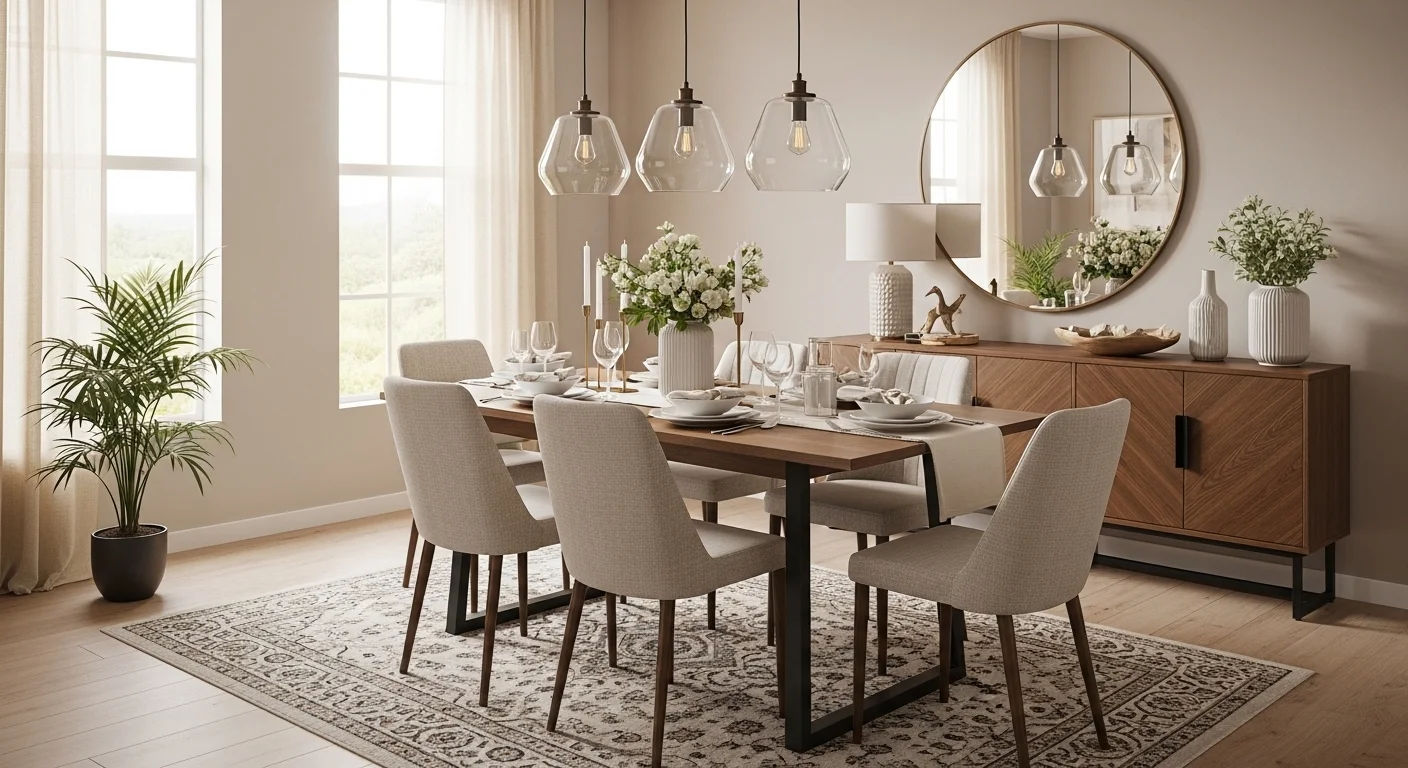
A dining room typically features a table and chairs as the central furniture. It may also include storage units, lighting, and decorative accents like rugs or plants. Functional accessories such as tableware and serving pieces complete the space.
Designing a dining room requires careful thought to balance style, comfort, and practicality for everyday meals and special occasions.
Many homeowners overlook essential elements that can elevate a dining space from ordinary to extraordinary, leaving the room underutilized.
When planning your dining area, consider furniture, lighting, decor, and storage solutions that enhance both aesthetics and functionality.
This guide will explore what to include in a dining room, along with unique ideas for making the space inviting and efficient for family and guests.
By the end of this post, you will have a detailed plan to design a dining area that is both beautiful and functional, creating a welcoming environment for all occasions.
Choosing the Right Dining Table and Chairs
Selecting a dining table that fits your room’s dimensions and complements your interior style is the first step to a functional space.
Consider the shape, size, and material of the table, ensuring it accommodates your family and occasional guests comfortably without feeling crowded.
Chairs should provide proper support and align visually with the table, creating a cohesive and stylish dining experience that blends comfort with design.
Pay attention to the arrangement, leaving enough walking space around the table to maintain smooth movement and avoid congestion during gatherings.
The right combination of table and chairs establishes a central anchor for the room while enhancing its overall aesthetic appeal and usability.
Optimal Lighting for a Dining Space
Lighting plays a crucial role in setting the mood and functionality of any dining room, influencing both ambiance and practicality.
Layered lighting, including overhead chandeliers, pendant lamps, and subtle accent lights, ensures the room is well-lit for meals and activities.
Consider natural light during the day, positioning the dining area near windows or incorporating light-colored window treatments to brighten the space.
Adjustable lighting or dimmers allow flexibility, creating a cozy atmosphere for dinner while maintaining brightness for daytime use or family activities.
Proper lighting not only enhances the visual appeal but also improves the comfort and experience of spending time in your dining room.
Storage Solutions That Blend Style and Function
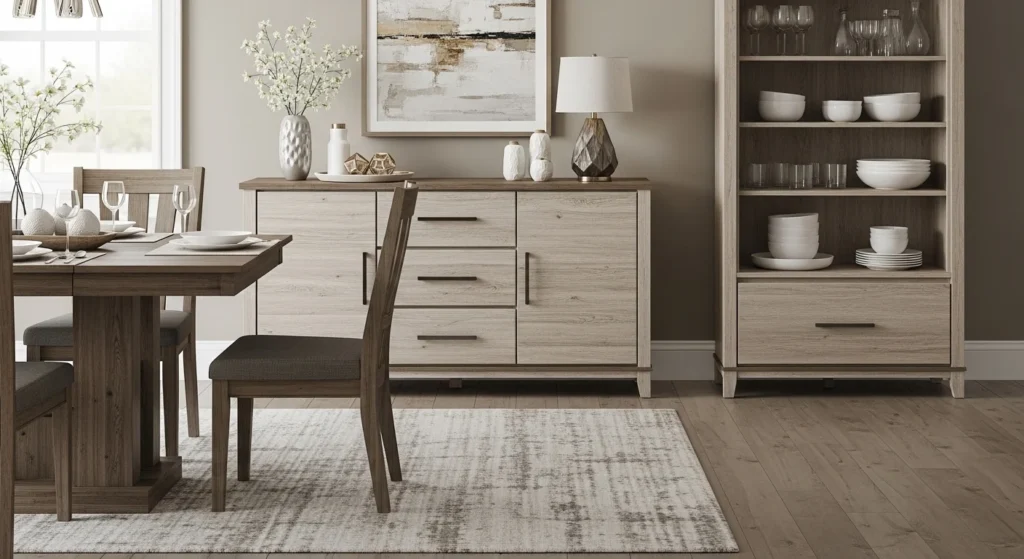
Effective storage keeps a dining room organized while providing a surface for display items, enhancing both aesthetics and usability.
Sideboards, cabinets, and shelving units offer space for dishware, linens, and decorative objects without overcrowding the room.
Multifunctional furniture, such as storage benches or tables with drawers, maximizes space while maintaining a polished and cohesive look.
When selecting storage, focus on both form and function, ensuring the pieces complement the room’s design and meet everyday needs.
Creative organization solutions help maintain a clutter-free dining area, making it easier to enjoy meals and entertain guests comfortably.
Decorative Touches That Elevate Your Dining Room
Statement Centerpieces and Table decor
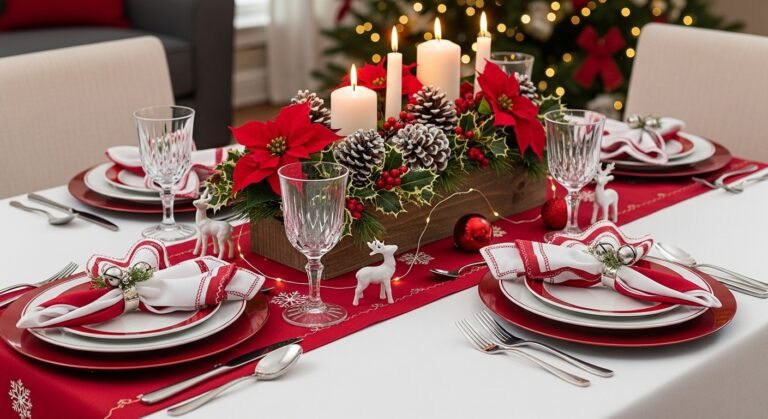
Centerpieces create a focal point on your dining table, adding personality and charm to the room while remaining functional.
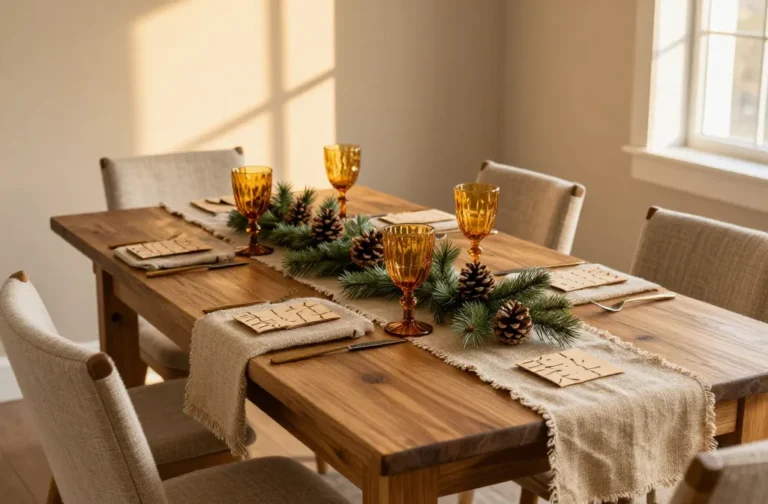
Natural elements like fresh flowers, potted plants, or decorative trays bring life and texture to the table, enhancing its visual appeal.
Consider changing centerpieces seasonally, rotating colors and materials to match the atmosphere and mood of different occasions.
Balance beauty with practicality, ensuring your decor does not interfere with seating arrangements or everyday use of the table.
Thoughtful table styling can transform a simple meal into an inviting and memorable experience, adding warmth and sophistication to your dining area.
Wall Art, Mirrors, and Accent Pieces
Art and mirrors play a vital role in personalizing a dining room and enhancing its overall design.
Select wall art that complements your color palette, furniture style, and the mood you wish to create in the space.
Mirrors reflect light, making the room feel larger, brighter, and more open, while also adding a decorative element that draws attention.
Incorporate accent pieces carefully, blending textures, colors, and shapes without overcrowding the room or creating visual clutter.
Strategically placed decorative elements can define your dining room’s character and make it a more engaging space for both family and guests.
Area Rugs and Flooring Considerations
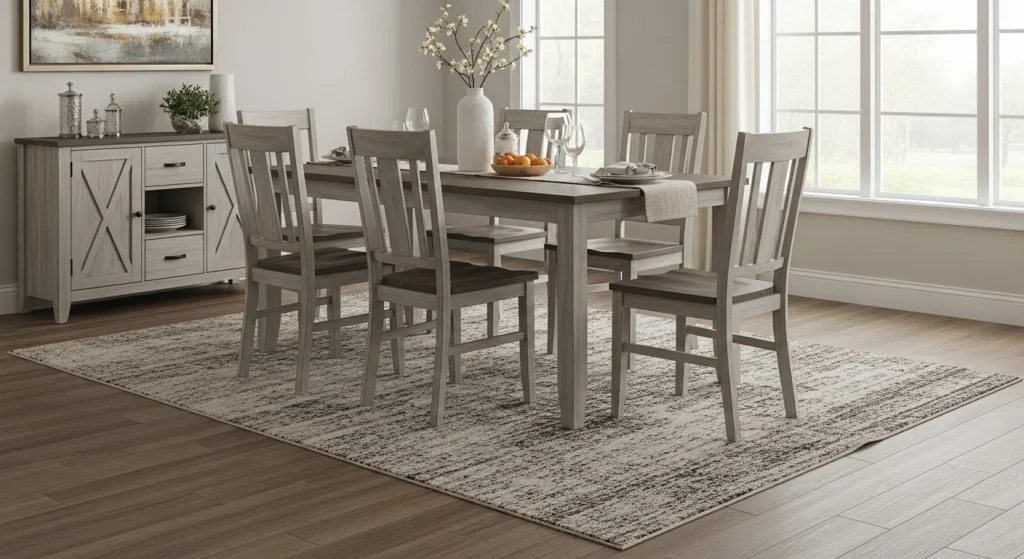
Choosing the right flooring or rug is essential for comfort, style, and defining the dining area within a larger space.
Rugs can add warmth, color, and texture, while helping delineate the dining zone from adjacent rooms in an open layout.
Ensure the rug is large enough to accommodate chairs even when they are pulled out, preventing trips and maintaining aesthetic balance.
Durable materials and easy-to-clean options are recommended to handle daily meals, spills, and heavy traffic without compromising style.
Thoughtful flooring and rug selection enhances the dining experience by combining visual appeal with practical functionality, making every meal more enjoyable.
Innovative Features for a Modern Dining Experience
Smart Storage and Organization Ideas
Incorporating smart storage solutions can streamline your dining room, creating a clutter-free and functional space for daily use.
Hidden drawers, modular shelving, and multifunctional furniture maximize storage without overwhelming the room or sacrificing style.
Technology integration, such as smart lighting or discreet charging stations, adds modern convenience while maintaining the room’s aesthetic appeal.
Prioritize efficiency, ensuring each storage solution provides accessibility, organization, and enhances the overall dining experience.
Innovative storage ideas allow you to combine practicality with design, keeping the dining area both visually appealing and highly functional.
Flexible Seating for Different Occasions
Flexible seating options adapt to your changing needs, making the dining room suitable for small meals and large gatherings.
Benches, extendable tables, and movable chairs allow you to adjust seating arrangements without compromising comfort or flow.
Consider storage-integrated seating or lightweight chairs to create a versatile environment that accommodates unexpected guests easily.
Maintaining comfort and accessibility ensures that the space remains functional, stylish, and welcoming, regardless of the number of people.
Flexible seating enhances the room’s adaptability, making it a practical yet attractive setting for both daily life and special occasions.
Dining Room Feng Shui and Layout Tips
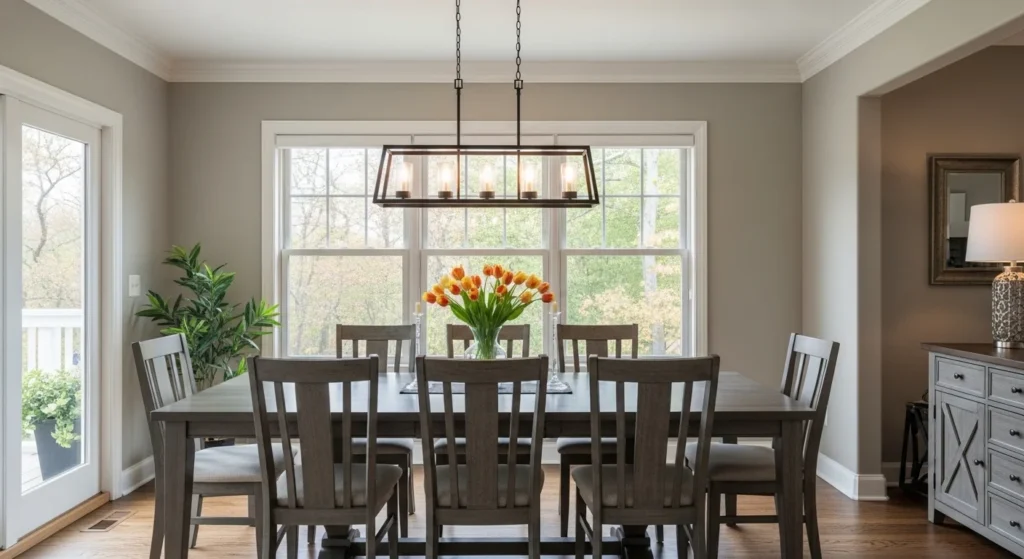
A well-planned layout improves traffic flow, energy, and overall comfort in the dining room, promoting a balanced environment.
Position tables and chairs to allow smooth movement, avoiding cramped spaces and enhancing the room’s functionality.
Consider symmetry and balance, placing focal points such as lighting or art in ways that create harmony and visual interest.
Natural light, open space, and uncluttered surfaces contribute to a peaceful atmosphere, enhancing the dining experience for everyone.
Applying thoughtful layout principles ensures your dining area is organized, inviting, and optimized for both aesthetic appeal and practical use.
Maintaining a Functional and Clean Dining Room
Keeping your dining room organized and clean ensures the space remains inviting, functional, and enjoyable for everyday meals and special gatherings.
Select surfaces and furniture materials that are easy to clean, resist stains, and maintain their appearance over time without requiring excessive upkeep.
Implement a regular cleaning routine for tables, chairs, and floors to prevent dust, crumbs, or spills from accumulating and affecting the room’s ambiance.
Decluttering is essential; ensure decorative items, tableware, and other objects have designated storage, keeping surfaces neat while enhancing the room’s aesthetic appeal.
Maintaining a functional dining area not only preserves style and cleanliness but also allows family and guests to comfortably enjoy meals without distraction or inconvenience.
Key Takeaways for Designing Your Ideal Dining Room
Combining Functionality with Style
Successful dining room design balances practical needs, including seating, storage, and accessibility, with visually appealing decor that reflects your personal taste.
Ensure all elements—from tables and chairs to lighting and rugs—work cohesively, maintaining a harmonious style while supporting everyday use.
Functional and stylish features create a space that is both efficient and inviting, allowing you to host meals with ease and comfort.
Incorporate versatile furniture and thoughtful decor to achieve an ideal balance, making the room suitable for everyday dining and special occasions alike.
Personalizing Your Dining Room for Comfort and Hospitality
Adding personal touches such as meaningful art, family photos, or unique decor items creates a welcoming atmosphere that feels authentic and comfortable.
Consider how elements like seating arrangements, table accessories, and accent lighting encourage interaction, conversation, and memorable dining experiences.
A personalized space strengthens the sense of connection between family and guests, making meals more enjoyable and fostering lasting impressions.
Thoughtful personalization ensures your dining room not only looks appealing but also functions as a warm, inviting environment for all occasions.
Wrapping It Up
Designing a dining room requires careful planning, thoughtful furniture selection, effective storage, and well-chosen decor to create a functional yet stylish space.
By balancing comfort, practicality, and aesthetic appeal, you can ensure the dining area meets your family’s needs while leaving a lasting impression on guests.
Incorporate flexible seating, smart storage, and personalized touches to create a space that adapts to both everyday meals and special gatherings seamlessly.
A well-maintained, organized, and thoughtfully decorated dining room elevates the dining experience, making every meal more enjoyable and the room a welcoming centerpiece of your home.
With these ideas, you now have a comprehensive guide on what to include in a dining room, ensuring both style and functionality.