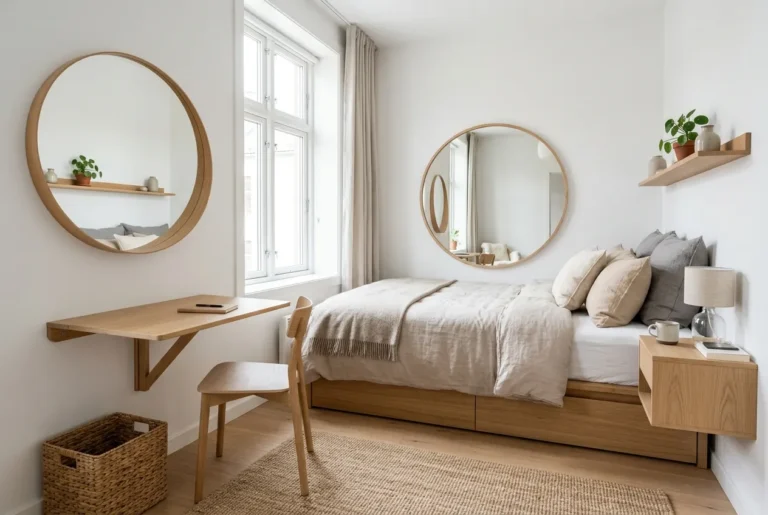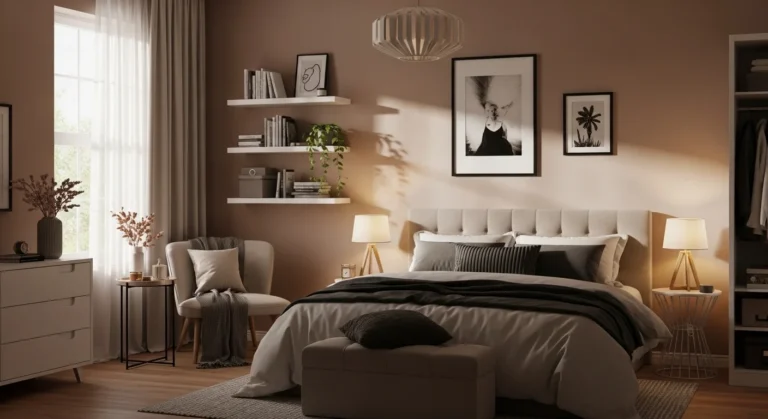
How to Plan a Bedroom Makeover in 5 Steps: With a Free Checklist

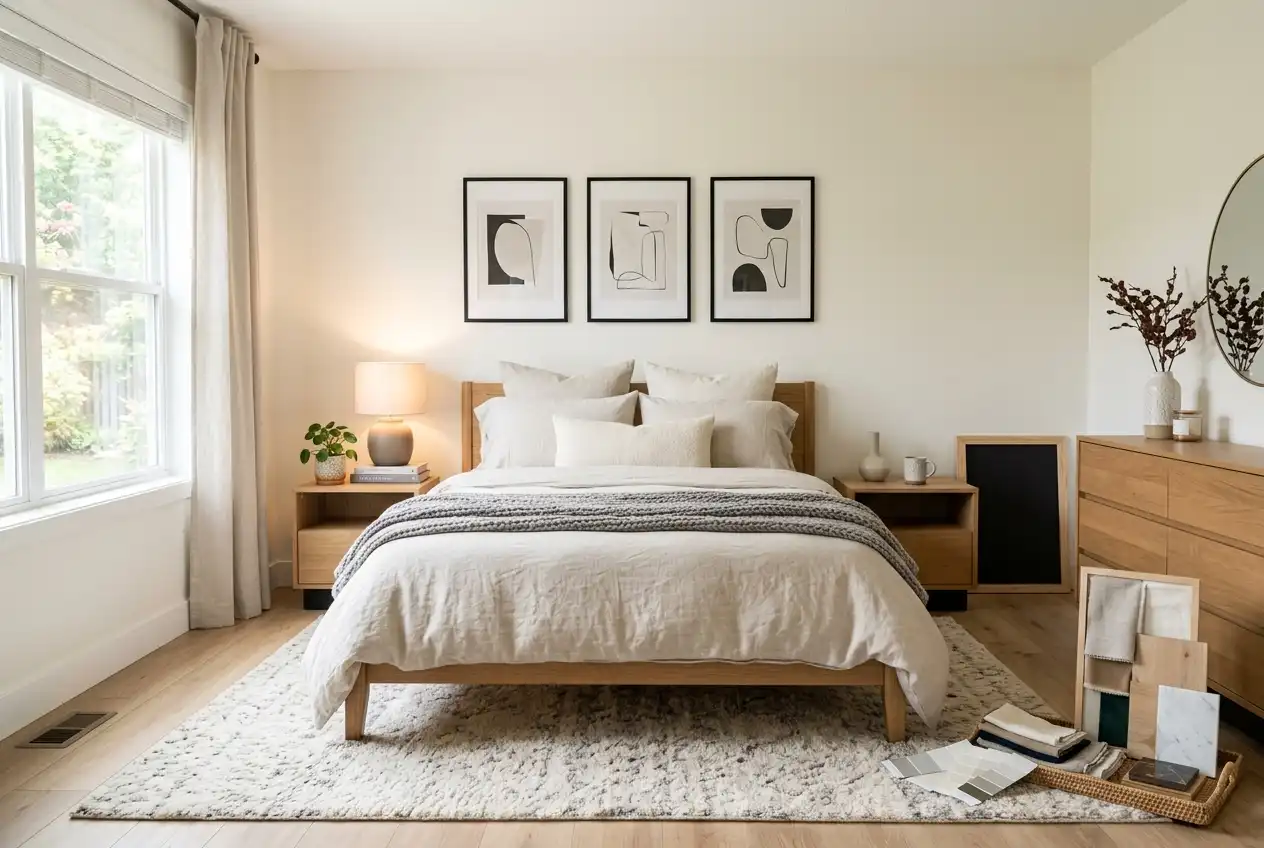
A bedroom makeover can improve your comfort, organization, storage, lighting, and overall enjoyment of your personal space.
However, starting without a clear plan can quickly lead to unnecessary purchases, awkward layouts, and unfinished decorating projects.
A thoughtful bedroom refresh begins by identifying what currently works, what needs improvement, and what atmosphere you want to create.
You can achieve a beautiful bedroom transformation without replacing every piece of furniture or spending a large amount of money.
This guide explains how to plan your makeover through five practical steps that keep your project focused and manageable.
Along the way, you will learn how to create a budget, measure your space, choose suitable furniture, and organize your priorities.
You will also find a simple bedroom makeover checklist that helps you track important tasks from the first idea through completion.
Whether you want a cozy retreat, organized sleeping space, or completely refreshed bedroom design, planning makes every decision easier.
What Should You Decide Before Starting Your Bedroom Makeover?
Before moving furniture or buying decorations, spend time identifying exactly what you want your bedroom makeover to accomplish.
Think about the problems you experience daily, including limited storage, uncomfortable furniture, poor lighting, outdated colors, or insufficient walking space.
Consider whether your bedroom needs a complete redesign or simply several carefully selected updates that improve its appearance.
Your lifestyle should also influence your decisions because a bedroom needs to support how you actually use it.
Someone who reads before sleeping may need better bedside lighting, while another person may prioritize additional clothing storage.
Write down your three biggest problems and three improvements that would make the room feel noticeably better.
This simple exercise gives your bedroom renovation plan a practical direction before you begin spending money.
The 5-Minute Bedroom Audit: Find What Needs to Change First
A quick bedroom audit helps you understand the current space before making decisions about furniture, colors, or decorative accessories.
Walk around the room slowly and observe how easily you move between the bed, storage areas, doors, windows, and other furniture.
Notice surfaces that collect clutter because these areas often reveal missing storage solutions or ineffective organization systems.
Pay attention to lighting throughout the day because a room can feel completely different under natural and artificial light.
Look at your bedding, curtains, rugs, wall decor, and furniture to determine which pieces still support your preferred style.
Now divide everything into three categories: keep, improve, and remove, so your makeover starts with clear priorities.
This quick evaluation can prevent random purchases and help you focus your budget on changes that actually improve your bedroom.
Step 1: Define Your Bedroom Makeover Goals and Style
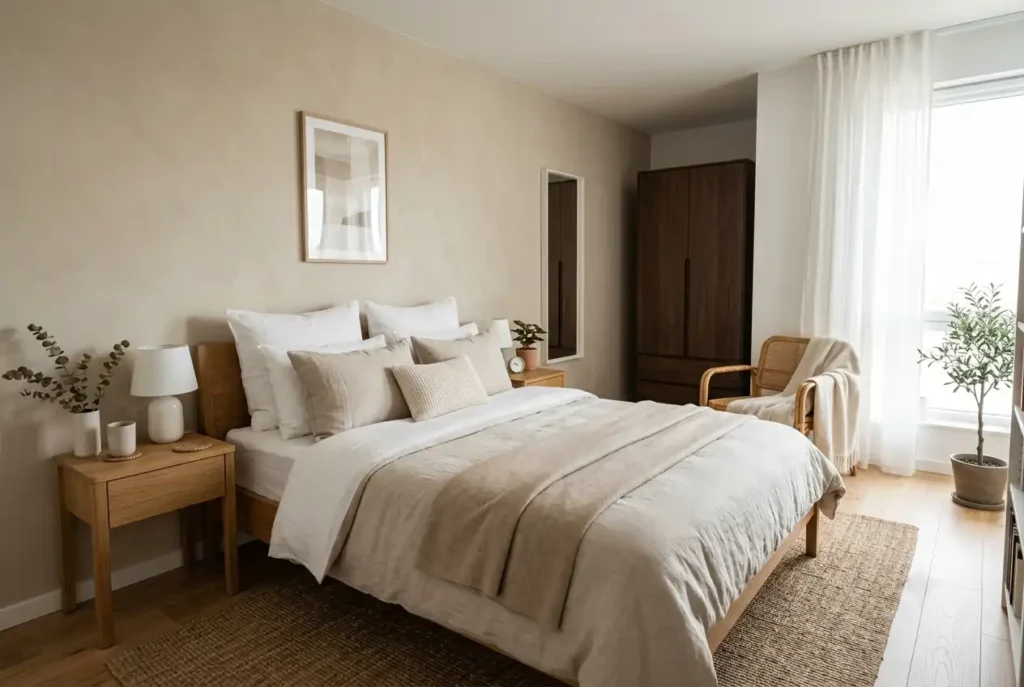
Create a Clear Goal Before Buying Anything
Your first step involves deciding exactly what you want your bedroom makeover to achieve before purchasing anything.
A clear goal might involve creating a calmer sleeping environment, improving storage, updating outdated decor, or making the room feel larger.
Choose one primary goal and several supporting improvements so the project remains realistic and easy to manage.
For example, you might want better organization while also creating a warmer and more inviting atmosphere.
Write down three to five words describing your preferred bedroom style, such as cozy, modern, natural, simple, or elegant.
These words become a useful reference whenever you consider new furniture, bedding, lighting, artwork, or decorative accessories.
Having a defined direction also reduces impulse purchases because every item needs to support the overall bedroom makeover vision.
Choose a Color Direction That Supports Your Goal
Your bedroom color palette should support the atmosphere you want rather than simply following the latest decorating trend.
Soft neutrals can create a relaxed appearance, while earthy shades often bring warmth and natural character into sleeping spaces.
Deeper colors can create a cozy atmosphere, although smaller bedrooms may benefit from carefully balanced lighter tones.
Consider how sunlight enters the room because strong natural light can make certain colors appear significantly different throughout the day.
Test paint samples near windows, furniture, and existing textiles before committing to an entire wall or room.
You should also consider your existing flooring and larger furniture because these elements can influence which colors work naturally together.
A limited palette usually creates a more cohesive bedroom design while making future decorating decisions considerably easier.
Step 2: Measure the Room and Plan the Bedroom Layout
Measure Furniture, Walls, Windows, and Walking Areas
Accurate measurements should come before purchasing replacement furniture because even attractive pieces can overwhelm an incorrectly planned bedroom.
Measure every wall and record the position and dimensions of doors, windows, closets, radiators, and other permanent features.
Next, measure the bed, nightstands, dresser, wardrobe, desk, seating, and any other large furniture currently occupying your room.
Write these measurements down in one place so you can compare furniture dimensions while researching possible replacements.
Do not forget to measure ceiling height when considering tall wardrobes, shelving, curtains, or decorative lighting fixtures.
Take photographs from different corners because visual references can help you understand how furniture currently affects the available space.
These measurements create a practical foundation for your bedroom redesign and reduce expensive mistakes during the shopping stage.
Build a Layout Around Comfort and Everyday Movement
The bed usually becomes the visual and functional anchor, so begin your layout by deciding where it feels most comfortable.
Place it where you can access both sides easily while maintaining comfortable pathways around surrounding furniture.
Make sure doors, drawers, wardrobe doors, and windows can open without hitting nearby furniture or creating difficult movement patterns.
Keep frequently used items within convenient reach because practical placement makes the bedroom easier to maintain every day.
Bedside tables should provide enough space for essential items without making the sleeping area feel crowded.
Try several possible arrangements before moving forward, especially when your bedroom contains multiple large furniture pieces.
A successful layout should make the room feel comfortable, balanced, accessible, and practical rather than simply visually attractive.
Step 3: Create a Budget and Prioritize Your Bedroom Updates
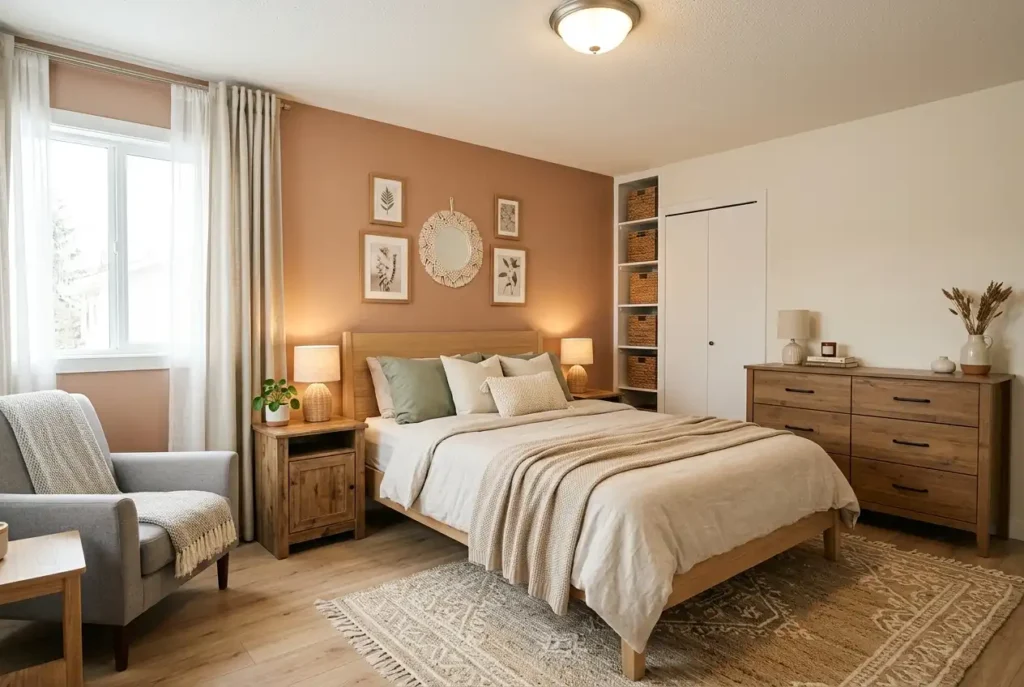
Separate Essential Changes From Decorative Extras
A realistic budget helps you decide which bedroom improvements deserve attention before you spend money on decorative extras.
Start by separating essential changes from optional updates, especially when your available budget has clear limits.
Essential improvements might include replacing damaged furniture, improving uncomfortable bedding, fixing inadequate lighting, or adding practical storage.
Decorative extras could include artwork, cushions, accessories, accent pieces, or additional styling elements that enhance the finished appearance.
Prioritize changes that improve comfort, functionality, organization, or safety before purchasing items that mainly provide visual appeal.
This approach keeps your bedroom makeover focused and prevents small decorative purchases from consuming money needed for important improvements.
Once essential needs receive attention, you can gradually introduce decorative elements that support your chosen style and color palette.
Use a Simple Budget System for Every Purchase
Create separate spending categories for furniture, paint, lighting, bedding, storage, textiles, and decorative accessories before beginning your shopping.
Assign an estimated amount to each category according to its importance and the overall amount you can comfortably spend.
Keep a small portion of your budget available for unexpected expenses because measurements and installation requirements can sometimes reveal additional needs.
Compare prices carefully rather than automatically choosing the first item that matches your preferred appearance.
Consider updating existing furniture when possible because repainting, replacing hardware, or changing placement can create noticeable improvements.
You can also save money by completing decorative changes gradually instead of purchasing everything during one shopping trip.
A flexible budget gives you greater control while allowing your bedroom transformation to develop naturally as priorities become clearer.
Step 4: Choose Furniture, Colors, Lighting, and Textiles
Select Furniture That Matches the New Layout
Furniture should support the measurements and layout you established earlier instead of forcing you to redesign the entire room.
Choose pieces according to their dimensions, storage capacity, comfort, durability, and compatibility with your existing furniture.
A large bedroom can accommodate substantial pieces, while smaller spaces usually benefit from streamlined furniture with practical storage.
Consider multifunctional options when available because one useful piece can sometimes replace several smaller items that consume valuable floor space.
Before purchasing anything, compare its measurements with your room dimensions and planned walking areas.
Think about how drawers, cabinet doors, and wardrobe panels will open once everything sits in its intended position.
Choosing furniture carefully creates a more balanced bedroom and reduces the possibility of expensive changes after installation.
Layer Lighting and Textiles for a More Comfortable Bedroom
Lighting can dramatically influence how comfortable and functional your bedroom feels during different parts of the day.
Use a combination of overhead, bedside, accent, and natural lighting so the room remains adaptable for different activities.
Bedside lamps can support reading and nighttime routines, while softer accent lighting can create a calmer evening atmosphere.
Textiles also contribute significantly to comfort because bedding, curtains, rugs, cushions, and throws introduce softness and visual texture.
Choose textile colors that connect naturally with your selected palette instead of adding unrelated shades throughout the room.
Different textures can make a simple bedroom feel richer without requiring excessive decorations or complicated design elements.
When lighting and textiles work together, they help transform the bedroom into a more comfortable and cohesive personal retreat.
Step 5: Use Your Bedroom Makeover Checklist to Finish and Review
Follow a Bedroom Makeover Checklist From Start to Finish
A simple checklist keeps your bedroom makeover organized when several tasks need completion across different stages.
Begin with planning tasks, including defining your goals, measuring the room, setting your budget, and selecting your preferred style.
Next, track decluttering, furniture decisions, shopping, painting, lighting installation, and final styling as separate tasks.
Checking items individually makes the project feel more manageable and helps you recognize progress throughout the transformation.
Your checklist can also prevent small but important details from being forgotten while you focus on larger decorating decisions.
Keep the list somewhere accessible so you can update it whenever you complete a task or change your priorities.
Using a structured checklist turns your makeover from a collection of decorating ideas into a practical project with clear steps.
Finish With a Room-by-Room Style and Function Check
Once the major makeover work is complete, take time to evaluate the bedroom from both practical and visual perspectives.
Walk through the room and check whether furniture remains easy to access and whether storage areas function comfortably.
Make sure walking paths remain clear and drawers, doors, wardrobes, and windows can operate without unnecessary obstacles.
Check your lighting at different times because some areas may need additional illumination after the furniture arrangement changes.
Look at the overall color balance and remove accessories that make the room feel unnecessarily crowded or visually disconnected.
Spend several days using the finished space before purchasing additional decorations because you may discover that fewer items work better.
This final review helps ensure your bedroom makeover improves everyday living rather than simply creating an attractive appearance for photographs.
Free Bedroom Makeover Checklist: Print-and-Use Planning Guide
A practical checklist makes it easier to organize every stage of your bedroom makeover without overlooking important details.
Use the following checklist before, during, and after your bedroom transformation to keep your project moving smoothly.
Before the Makeover
During the Planning Stage
During the Makeover
Final Review
What Should You Avoid During a Bedroom Makeover?
One of the most common mistakes involves purchasing furniture before understanding the room’s actual dimensions and layout.
Even beautiful furniture can make a bedroom uncomfortable when it blocks pathways or leaves insufficient space around essential areas.
Another mistake involves choosing too many colors, patterns, and decorative accessories without establishing a consistent visual direction first.
Ignoring lighting can also reduce the effectiveness of an otherwise successful makeover because bedrooms require different levels of illumination throughout the day.
Avoid spending most of your budget on decorative pieces while ignoring practical improvements that affect comfort and organization.
You should also avoid copying an inspiration bedroom exactly because room dimensions, natural lighting, furniture requirements, and personal habits differ significantly.
Instead, use inspiration images to discover useful ideas and adapt those concepts to your own bedroom’s specific needs.
How to Keep Your Bedroom Makeover Organized After Completion
Completing your makeover does not mean the organization process should stop because everyday habits determine how long the results remain effective.
Give frequently used belongings specific storage locations so surfaces do not gradually become crowded with unnecessary items.
Avoid adding new decorations simply because an empty surface feels incomplete because open space can make a bedroom feel calmer.
Review your storage systems after several weeks and adjust them if certain areas consistently become difficult to maintain.
You can also make small seasonal changes through bedding, textiles, or limited decorative updates without redesigning the entire bedroom.
Keep your completed planning notes and checklist available if you expect to make additional improvements later.
A simple maintenance routine protects your investment and helps preserve the comfortable, organized atmosphere created during the makeover.
Key Takeaways
Planning a bedroom makeover becomes much easier when you divide the entire transformation into clear and manageable stages.
Start by defining your goals and preferred style before measuring the room and creating a realistic budget.
Next, choose furniture, colors, lighting, and textiles that support your layout instead of competing with the available space.
Finally, use your checklist to organize tasks, review the finished room, and identify improvements that genuinely support everyday comfort.
A successful bedroom makeover does not require replacing everything because thoughtful planning can make existing pieces work much harder.
The best results come from balancing appearance with comfort, functionality, organization, personal style, and realistic spending decisions.
When every decision supports your original goal, your refreshed bedroom can feel more intentional, comfortable, and enjoyable for everyday living.