How to Decorate a Bedroom: A Beginner’s Step-by-Step Guide

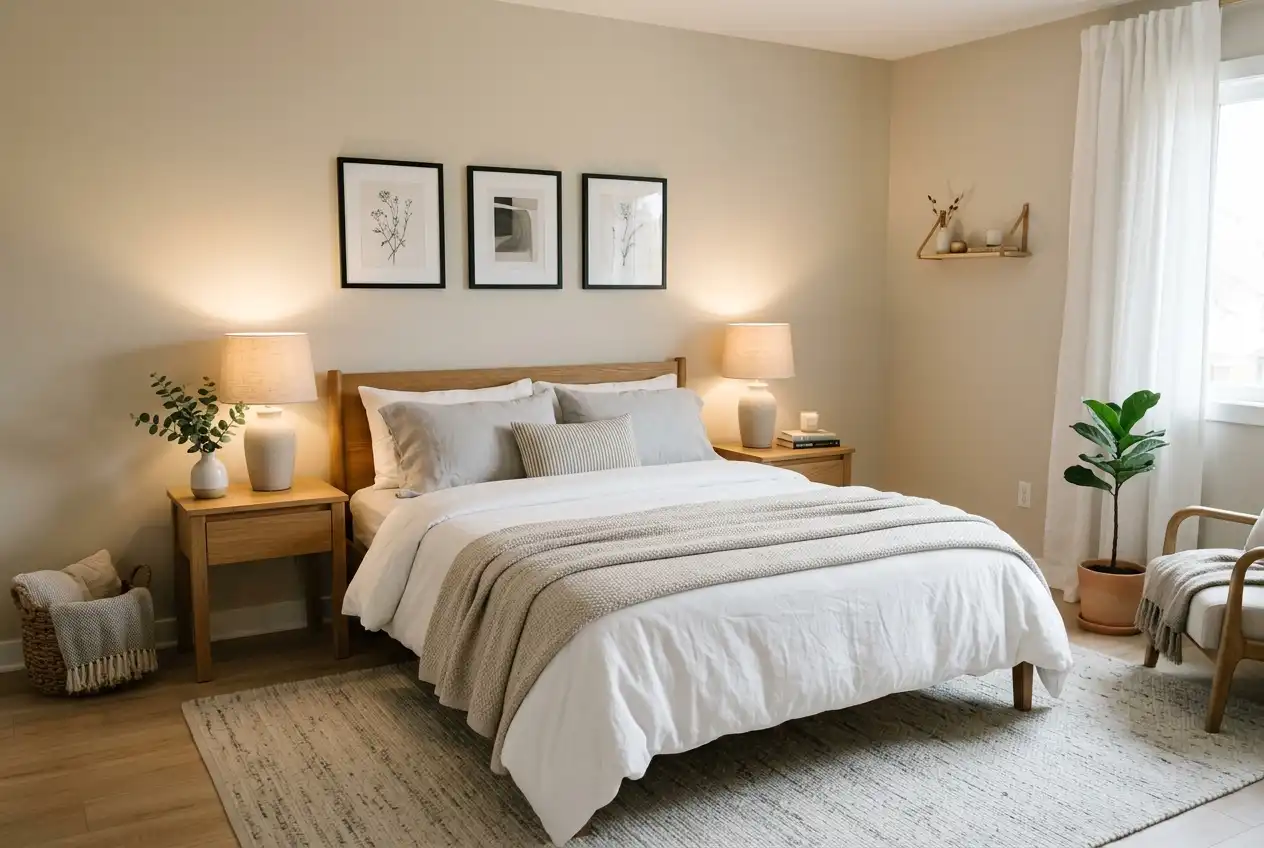
Decorating a bedroom involves planning the layout, choosing a cohesive color scheme, selecting essential furniture, and adding lighting and personal decor. Start with the room’s function and focal point, then layer textiles, artwork, and accessories to create a comfortable and balanced space.
Decorating a bedroom can feel like a bigger challenge than most people expect when they first begin.
Your bedroom shapes your sleep quality, your morning mood, and how relaxed you feel at the end of each day.
If you are searching for how to decorate a bedroom, this guide walks you through every step in a beginner-friendly way.
Many people spend more time decorating their living rooms than their bedrooms, even though bedrooms see daily use.
This guide fixes that imbalance by offering a structured, step-by-step approach that anyone can follow with confidence.
You will discover practical bedroom decorating ideas that work well for any budget or room size.
We will also cover bedroom design tips that help you sidestep common mistakes beginners often make.
By the end of this guide, you will have a clear roadmap for your own bedroom makeover.
Let’s start by exploring why your bedroom deserves more design attention than it usually receives.
Why Your Bedroom Deserves More Design Attention
Most homeowners focus their decorating energy on rooms guests actually see, like living rooms or kitchens.
The bedroom often gets overlooked, even though you likely spend more hours there than in any other room.
A thoughtfully designed bedroom can genuinely improve how well you sleep and how rested you feel each morning.
Your surroundings influence your nervous system more than most people realize during a typical day.
Cluttered or mismatched spaces can quietly increase stress, even when you don’t consciously notice the effect.
This is exactly why learning how to decorate a bedroom matters beyond simple aesthetics.
A well-planned bedroom becomes a retreat rather than just a place to store your belongings overnight.
Once you shift your mindset toward intentional design, every future decision becomes easier to make.
Common Mistakes Beginners Make Before They Even Start
Before diving into bedroom decorating ideas, it helps to understand where most beginners go wrong first.
Many people rush to buy furniture or decor before they measure their actual room dimensions.
This often leads to pieces that overwhelm the space or simply don’t fit as planned.
Others copy trending bedroom designs from social media without considering their own lifestyle or daily habits.
A design that looks stunning online may not suit how you actually live and unwind.
Ignoring natural light is another frequent misstep that affects both mood and functionality throughout the day.
A bedroom makeover succeeds when you plan around your space, your habits, and your light before shopping.
Avoiding these early mistakes saves both money and frustration later in the process.
Step-by-Step Ideas to Decorate Your Bedroom
Step 1. Define Your Bedroom’s Purpose and Mood First
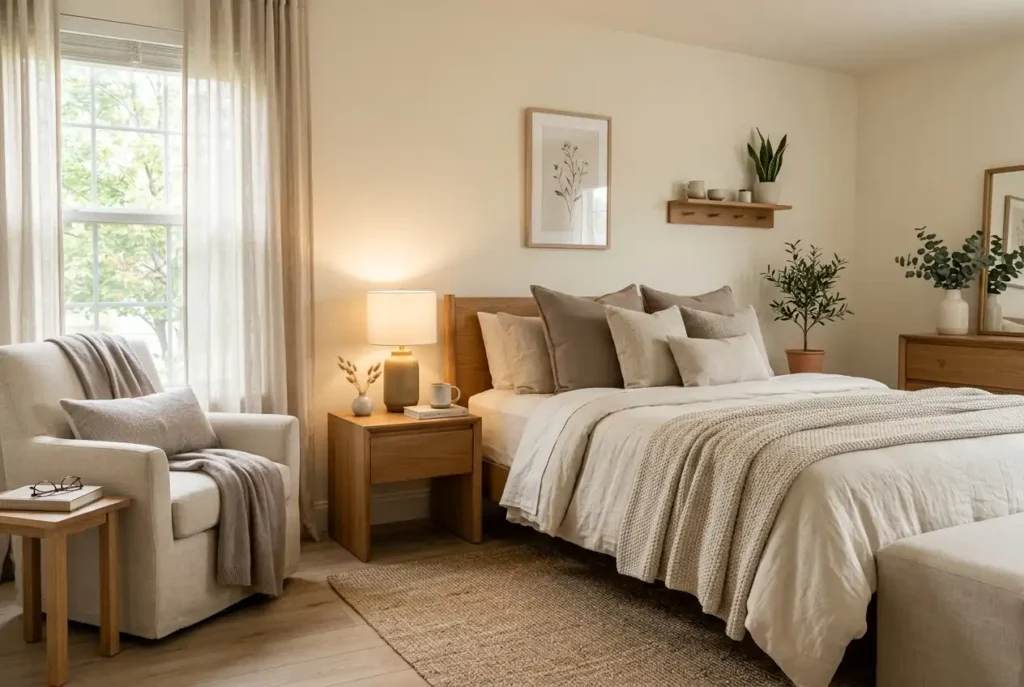
Every successful bedroom design begins with a clear decision about the mood you want to create.
Ask yourself whether you want a calm retreat, a cozy hideaway, or a bright and energizing space.
This choice becomes the foundation for every decision you make throughout your bedroom makeover.
Without a defined mood, it becomes easy to buy mismatched pieces that never quite feel cohesive together.
Think about how you actually use your bedroom beyond just sleeping in it each night.
Do you read before bed, work occasionally, or get ready for your day in this space?
Understanding how to decorate a bedroom starts with understanding how you live inside it daily.
Once your mood and purpose feel clear, every later choice becomes noticeably easier to make.
Step 2. Choose a Color Palette That Supports Rest
Color plays a powerful role in how relaxed or stimulated your mind feels within a space.
Soft, muted tones like sage green, warm beige, or gentle blue tend to support better rest.
Bright, saturated colors can energize a room, but they may work against restful sleep in a bedroom.
Once you settled on a mood in the previous step, let that guide your color choices here.
A calm mood pairs naturally with muted, earthy tones rather than bold, high-contrast combinations.
Try to limit your palette to two or three main colors for a cohesive, intentional look.
This approach keeps your bedroom decorating ideas from feeling scattered or visually overwhelming.
A focused palette also makes future shopping decisions faster and far less stressful.
Step 3. Plan Furniture Placement Around the Bed
Your bed naturally serves as the focal point of any bedroom, so plan its placement first.
Most designers recommend positioning the bed against the wall farthest from the entry door.
This placement creates a sense of security and makes the room feel more balanced overall.
Leave enough space around the bed so you can move freely without bumping into furniture.
Nightstands, dressers, and seating should support the bed rather than compete with it for attention.
Keep main walkways clear, since a cluttered path can make even a large bedroom feel cramped.
This step connects directly back to the mood you defined earlier, since layout affects how a room feels.
Thoughtful furniture placement transforms a good bedroom design into a truly functional living space.
Step 4. Layer Lighting for Function and Atmosphere
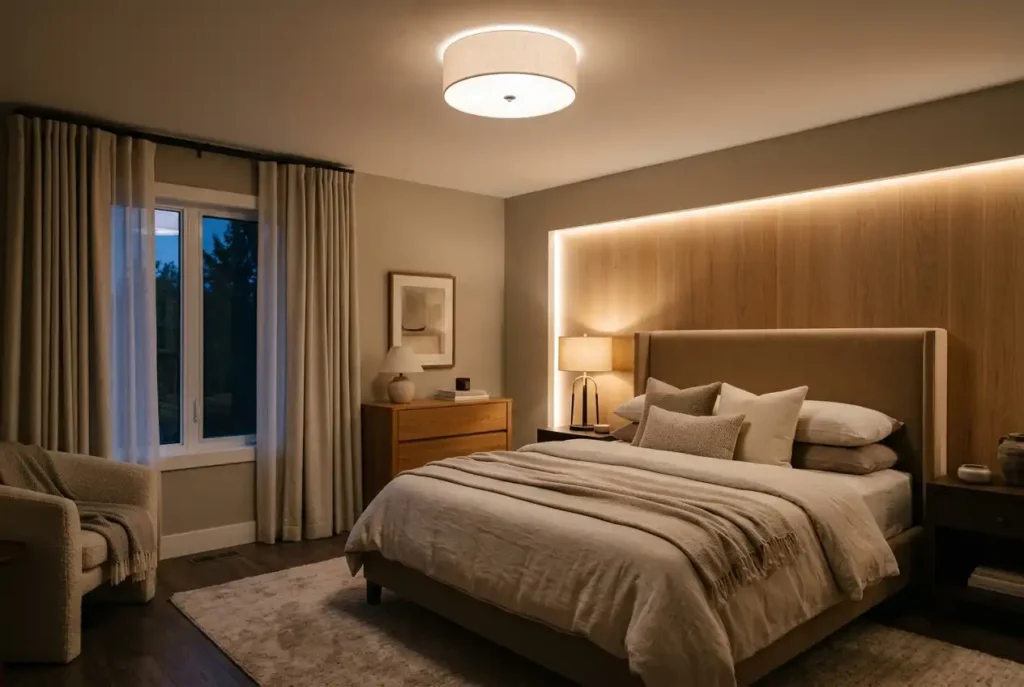
Good lighting design relies on three layers: ambient, task, and accent lighting working together.
Ambient lighting provides overall illumination, usually from an overhead fixture or a central ceiling light.
Task lighting supports specific activities, such as reading in bed or getting ready in the morning.
A bedside lamp or a small reading light works well for this focused, practical purpose.
Accent lighting adds atmosphere through soft sources like string lights, candles-free lanterns, or dimmable fixtures.
This layered approach directly supports the calming mood you established during your earlier planning stage.
Harsh, single-source lighting can undo even the most thoughtful bedroom design tips you’ve followed so far.
Dimmer switches offer flexibility, letting you adjust brightness depending on the time of day or activity.
Step 5. Add Texture Through Textiles
Textiles offer one of the most affordable ways to transform a bedroom without a full renovation.
Layered bedding, soft throws, and textured rugs add warmth and visual interest to any space.
Mix different fabric textures, like linen, cotton, and knit, to create depth without adding clutter.
This step ties directly back to the color palette you chose earlier in the process.
Choose textiles that complement your palette rather than introducing entirely new, competing colors.
Curtains also play a dual role, adding softness while controlling natural light throughout the day.
Thick curtains can improve sleep quality by blocking early morning light more effectively than thin fabrics.
These small textile changes often deliver the most noticeable results in any bedroom makeover.
Step 6. Personalize With Art and Meaningful Objects
A bedroom should reflect your personality, not just follow generic bedroom decorating ideas from a magazine.
Wall art, personal photographs, and meaningful collections add character that mass-produced decor simply cannot replicate.
Choose pieces that feel personally significant rather than selecting art purely because it matches your palette.
This personalization connects back to the purpose and mood you defined during your first planning step.
A minimalist mood might call for a single, striking art piece above the headboard.
A cozier, more eclectic mood might support a curated gallery wall of smaller, personal pieces.
Avoid overcrowding your walls, since too many items can undercut the calm you’re trying to build.
Thoughtful personal touches make a bedroom feel finished, lived-in, and authentically yours.
Step 7. Introduce Greenery and Natural Elements
Natural elements bring warmth and life into a bedroom in ways that furniture alone cannot achieve.
Low-maintenance plants, like snake plants or pothos, thrive indoors and require minimal daily care.
Beyond plants, natural materials such as wood, rattan, and linen add organic texture throughout the room.
These elements support the calming atmosphere you’ve been building since the very first planning step.
A wooden nightstand or a rattan mirror frame can soften a room filled with harder, modern lines.
Natural textures also pair beautifully with the muted color palette recommended earlier in this guide.
Even one or two plants can noticeably improve air quality and the overall feel of a room.
This step often gets overlooked, yet it delivers a surprisingly large impact for very little cost.
Step 8. Declutter and Organize for a Finished Look
No bedroom design truly comes together until clutter gets addressed and properly organized.
Even the most thoughtful color palette and furniture layout can feel chaotic in a cluttered room.
Invest in storage solutions like baskets, under-bed bins, or a dedicated dresser for daily items.
Keep surfaces like nightstands and dressers mostly clear to maintain the calm mood you established earlier.
A general rule suggests keeping only items you use daily on visible surfaces in the room.
Everything else deserves a proper home inside drawers, closets, or labeled storage containers.
This final step ties every previous idea together, since clutter can undo even excellent design choices.
A decluttered, organized bedroom instantly feels more intentional, more restful, and more visually complete.
A Quick Room-by-Room Comparison to Spark Inspiration
Small and large bedrooms often call for slightly different approaches to design and furniture choices.
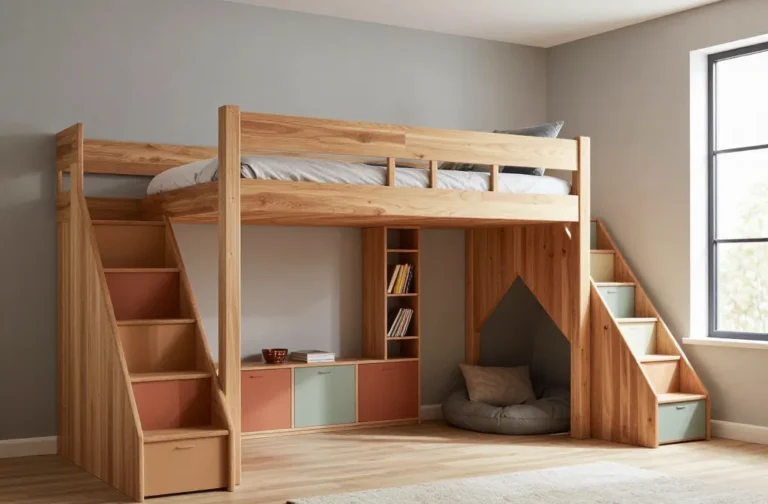
In a small bedroom, prioritize multi-functional furniture, like a bed with built-in storage drawers underneath.
Light, neutral colors can also help a small room feel more open and less cramped visually.
Mirrors work especially well in compact spaces, since they reflect light and create a sense of depth.
Larger bedrooms offer more flexibility, allowing room for a reading nook or a small seating area.
You can experiment with bolder accent walls or larger art pieces without overwhelming the overall space.
Regardless of size, the core principles behind how to decorate a bedroom stay exactly the same.
Mood, color, layout, and personal touches matter just as much in a studio as in a spacious suite.
Use this comparison as a quick reference point whenever you feel unsure about scaling your ideas.
How to Keep Your Bedroom Design Feeling Fresh Over Time
A finished bedroom makeover doesn’t mean your design work is entirely done forever.
Rooms naturally evolve as your tastes, routines, and needs change throughout different seasons of life.
Small seasonal swaps, like rotating throw pillows or changing bedding weight, keep a room feeling current.
You don’t need a full redesign to refresh your space; small updates often make a noticeable difference.
Consider rotating artwork or rearranging small decor items every few months to prevent visual stagnation.
This approach also protects your original investment in bedroom decor inspiration and larger furniture pieces.
Budget-friendly refreshes, like a new lamp or an updated rug, can revive a tired-looking space quickly.
Treat your bedroom as an evolving project rather than a one-time task you complete and forget.
Small, ongoing adjustments keep your space feeling intentional and personal for years to come.
Final Thoughts
Learning how to decorate a bedroom becomes far less overwhelming once you break it into clear steps.
Start by defining your mood, then let that decision guide your color palette and furniture layout.
Lighting, texture, and personal touches build on that foundation, adding warmth and character to the space.
Natural elements and thoughtful organization bring everything together into a cohesive, finished design.
Remember that small and large bedrooms follow the same core principles, just applied at different scales.
Your bedroom will also continue evolving, so treat future updates as part of the ongoing process.
These bedroom decorating ideas are meant to guide you, not restrict your own personal style choices.
Trust your instincts as you apply these bedroom design tips to your own unique space.
Now that you have a clear roadmap, your bedroom makeover is ready to begin.