19 Coastal Australian Garden Ideas for a Relaxed Outdoor Space
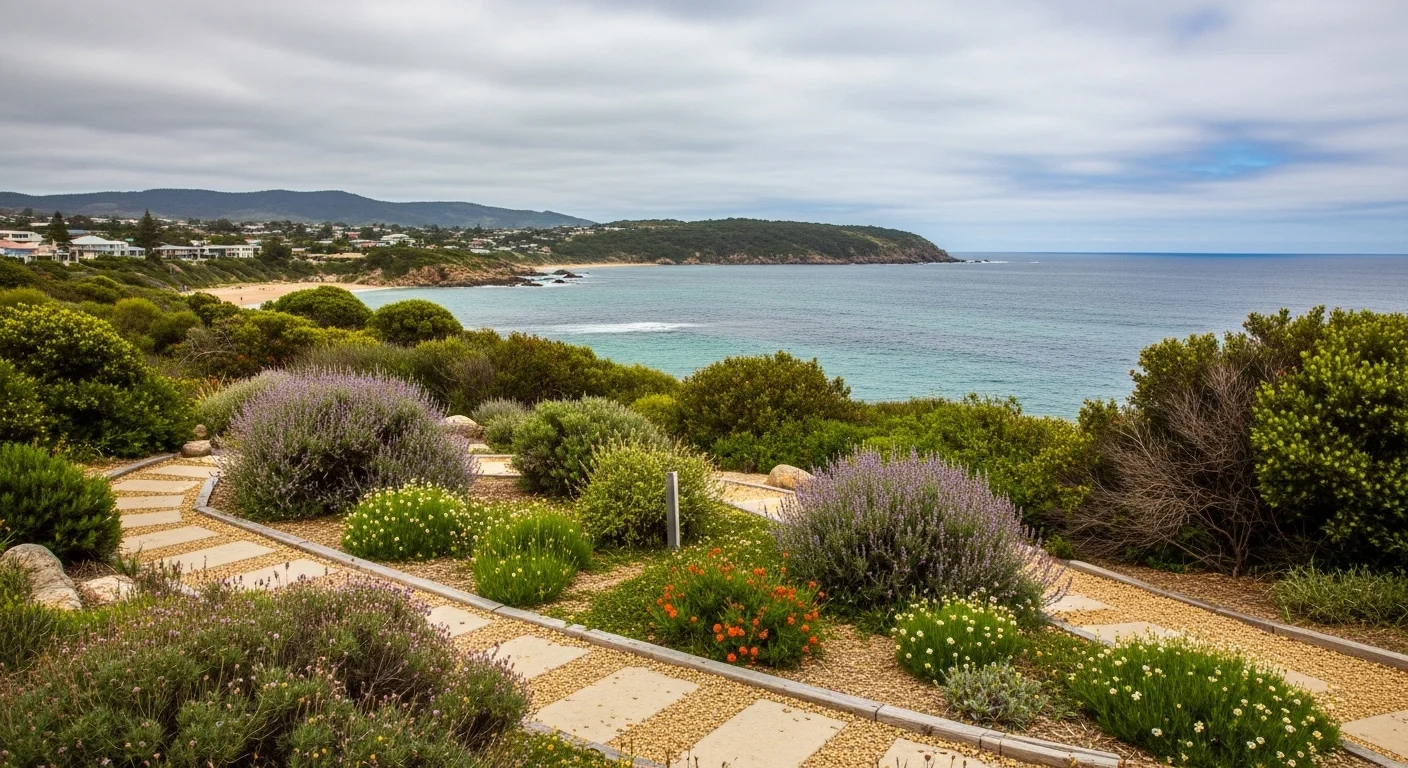
Creating a beautiful coastal Australian garden allows homeowners to capture the relaxed atmosphere and natural charm inspired by Australia’s breathtaking seaside landscapes.
This popular garden style focuses on open spaces, natural textures, hardy plants, and calming colors that reflect sand, ocean waves, and coastal vegetation.
Many gardeners love coastal landscaping because it blends beauty with practicality while remaining resilient against wind, salt air, and intense sunlight.
A well-designed coastal garden usually features native Australian plants, sandy pathways, weathered timber, gravel textures, and low maintenance planting schemes.
These elements help gardens feel airy, peaceful, and naturally connected with the surrounding outdoor environment.
Whether you live near the ocean or simply enjoy beach inspired design, a coastal Australian garden can transform ordinary yards into calm outdoor retreats.
The following ideas will help you design a functional landscape that reflects the relaxed beauty of Australia’s coastal lifestyle.
What Defines a Coastal Australian Garden Design

A successful coastal Australian garden embraces simplicity while celebrating natural materials, hardy plants, and layouts inspired by coastal landscapes.
Instead of overly structured garden beds, coastal landscapes often use loose planting arrangements that imitate the organic growth patterns found near beaches.
Garden designers frequently choose native plants that tolerate wind exposure, sandy soils, and dry weather conditions common in coastal regions.
Materials such as timber decking, gravel pathways, sandstone, and natural rocks strengthen the connection between gardens and seaside environments.
Soft color palettes featuring sandy beige, muted greens, soft blues, and weathered timber tones reinforce the calm coastal aesthetic.
These design choices create outdoor spaces that remain attractive, practical, and easy to maintain throughout changing seasons.
Plants That Work Best in a Coastal Australian Garden
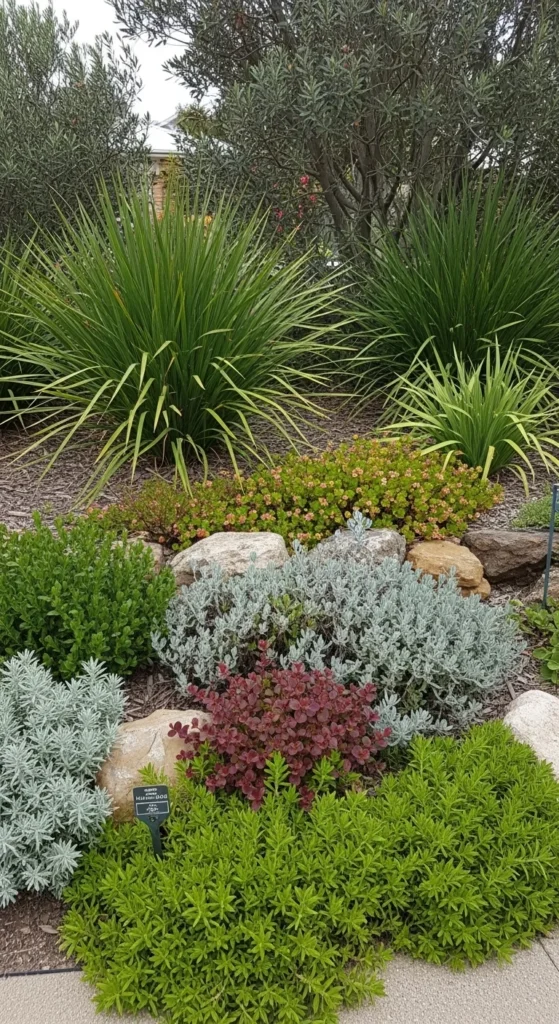
Choosing the right plants plays a major role in building a thriving coastal Australian garden that withstands challenging environmental conditions.
Native Australian plants adapt naturally to strong winds, sandy soil structures, and limited water availability.
Popular coastal garden plants include ornamental grasses, drought tolerant shrubs, hardy succulents, and flowering native species.
These plants require less maintenance while supporting pollinators, birds, and beneficial insects within the garden ecosystem.
Many gardeners combine grasses, shrubs, and groundcovers to create layered greenery that resembles coastal dune vegetation.
This planting strategy improves visual texture while helping gardens appear lush without requiring constant watering or maintenance.
1. Native Plant Borders for a Coastal Australian Garden
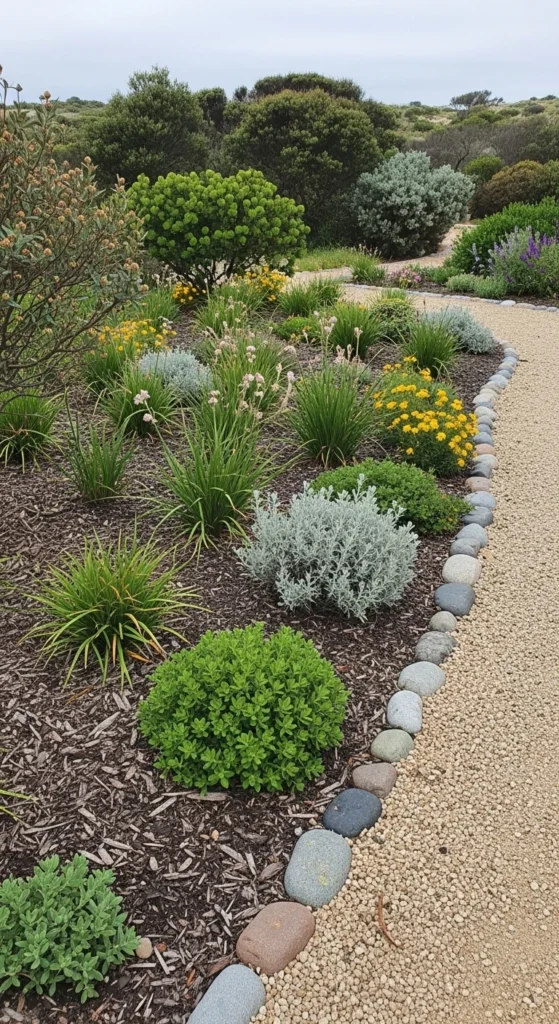
Native plant borders help establish the authentic character of a coastal australian garden while improving resilience against wind, heat, and sandy soil conditions.
Gardeners often plant coastal shrubs, grasses, and hardy groundcovers along pathways or garden edges to create relaxed natural boundaries.
These plants grow well in coastal environments because they evolved to tolerate salty air, intense sunlight, and poor soil conditions.
Planting in loose clusters instead of rigid rows allows the garden to resemble natural coastal vegetation found along Australian dunes.
This layout also encourages healthy plant growth while reducing long term maintenance requirements.
Native plant borders attract birds and beneficial insects that contribute to a lively and balanced outdoor environment.
The result is a sustainable garden design that looks natural while thriving with minimal watering and care.
2. Sandy Pathways Inspired by Coastal Australian Garden Design

Sandy pathways instantly strengthen the relaxed beach inspired feel of a coastal Australian garden while guiding visitors through different garden spaces.
Designers often use decomposed granite, crushed gravel, or soft sand materials that resemble natural coastal walking trails.
These pathway surfaces drain rainwater efficiently while maintaining a light color that reflects sunlight and brightens the landscape.
Lining pathways with low grasses or hardy succulents adds texture without overwhelming the open coastal style layout.
Curved pathways work particularly well because they mimic the gentle movement of natural dune trails.
This design encourages exploration while maintaining a calm and organic garden structure.
Sandy pathways also require very little maintenance compared with traditional paved surfaces or lawns.
3. Driftwood Inspired Features in a Coastal Australian Garden
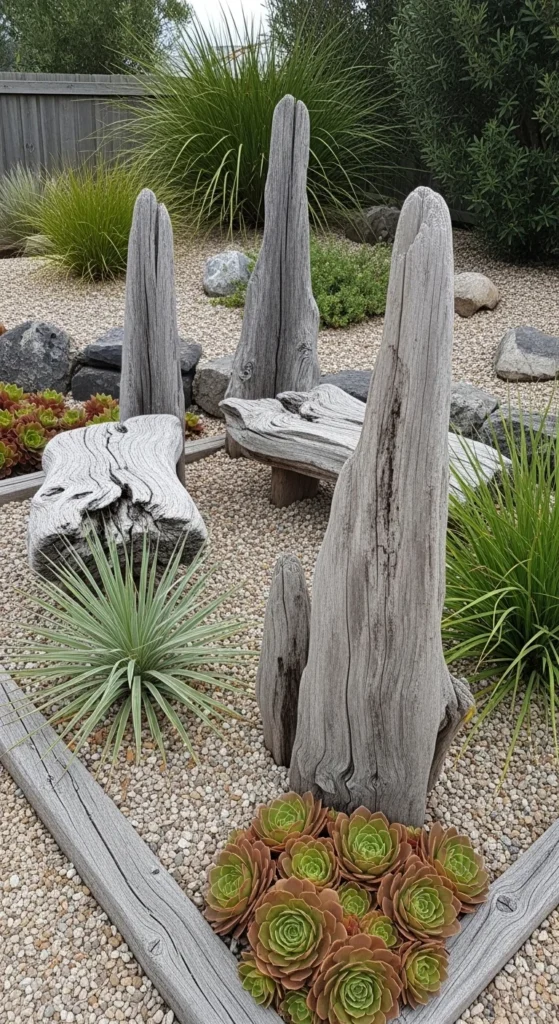
Driftwood style garden features introduce beautiful natural textures that complement the relaxed aesthetic of a coastal Australian garden.
Weathered timber pieces can function as sculptural focal points, rustic seating elements, or decorative plant displays.
Their aged surfaces reflect the natural look of wood shaped by ocean waves and coastal weather conditions.
Gardeners often place driftwood features within gravel beds or surround them with coastal grasses and hardy succulents.
This combination creates strong visual contrast between soft plants and textured wood elements.
Using reclaimed timber also supports sustainable landscaping practices while adding character to the garden design.
The organic appearance of driftwood decorations helps gardens feel authentic, relaxed, and naturally connected with coastal environments.
4. Raised Timber Decking for a Coastal Australian Garden Retreat
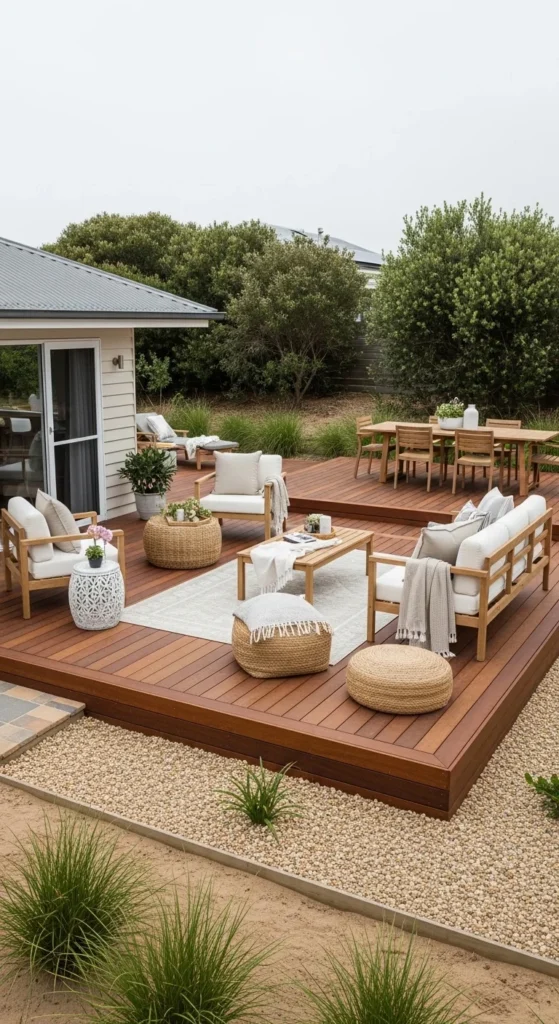
Timber decking creates comfortable outdoor living areas that blend beautifully with the relaxed environment of a coastal Australian garden.
Raised decking platforms provide practical spaces for seating, outdoor dining, and relaxing while enjoying fresh air and natural scenery.
Natural timber materials complement coastal plants, gravel textures, and sandy garden beds surrounding the space.
Many homeowners place lounge furniture, woven textiles, and neutral cushions on decking areas to strengthen the beach inspired atmosphere.
Elevated decks also improve airflow and prevent water accumulation during heavy rain or humid coastal conditions.
Surrounding the deck with grasses and shrubs softens the structure while integrating it with the overall landscape.
This feature often becomes the central gathering area within a coastal garden design.
5. Coastal Ornamental Grass Landscaping
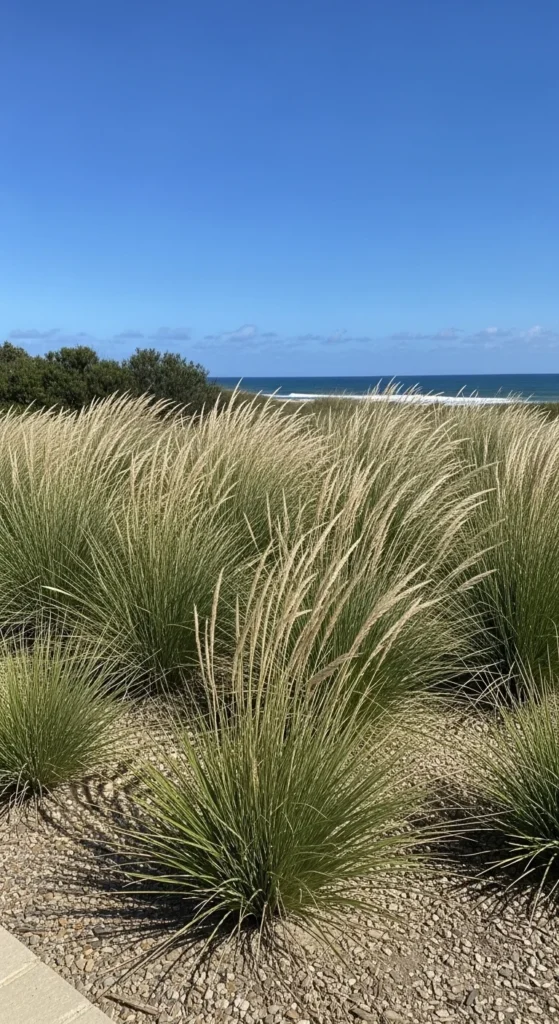
Ornamental grasses bring movement, texture, and natural elegance to a coastal Australian garden landscape.
These plants sway gently in ocean breezes, creating visual motion that reflects the dynamic character of seaside environments.
Popular coastal grasses tolerate wind exposure, sandy soil conditions, and long periods of direct sunlight.
Gardeners frequently plant grasses in clusters to imitate the natural dune vegetation commonly seen along Australian shorelines.
This planting technique creates depth and layered greenery without overcrowding the landscape.
Ornamental grasses also require minimal watering once established, making them perfect for low maintenance garden designs.
Their soft shapes balance harder materials such as stone, gravel, and timber used throughout coastal landscapes.
6. Coastal Rock Gardens That Reflect Natural Shorelines
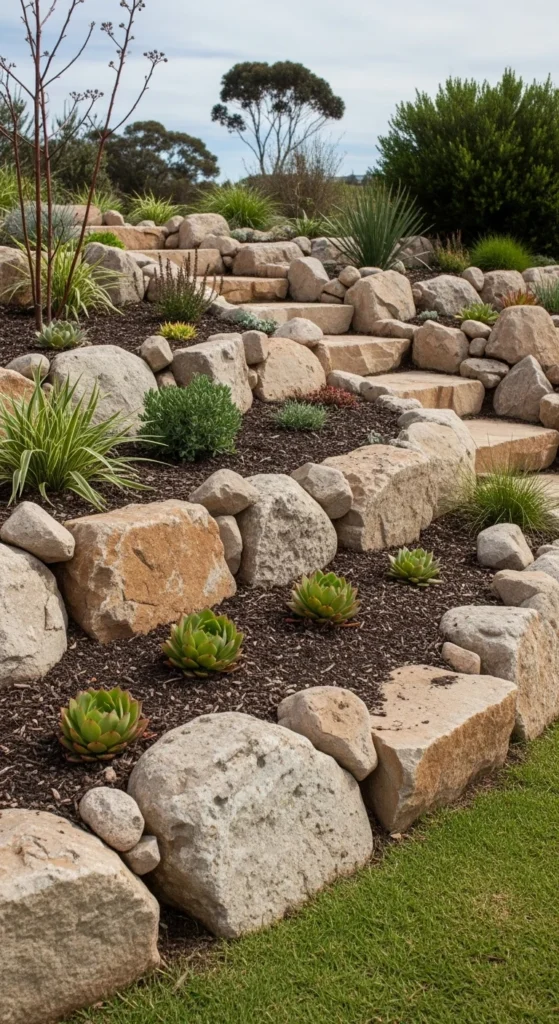
Rock gardens recreate the rugged beauty of coastal cliffs while adding structure and texture to a coastal Australian garden layout.
Designers combine natural stones with drought tolerant plants to build visually interesting yet practical planting areas.
Large rocks help anchor soil in windy environments while protecting delicate plant roots from erosion.
Succulents, coastal grasses, and hardy shrubs often grow beautifully between stone arrangements.
Using rocks of varying sizes improves visual balance and strengthens the organic appearance of the landscape.
Rock gardens also reduce the need for watering, mowing, and frequent maintenance.
This landscaping approach works especially well in sunny areas where traditional lawns struggle to survive.
7. Succulent Beds for a Low Maintenance Coastal Australian Garden
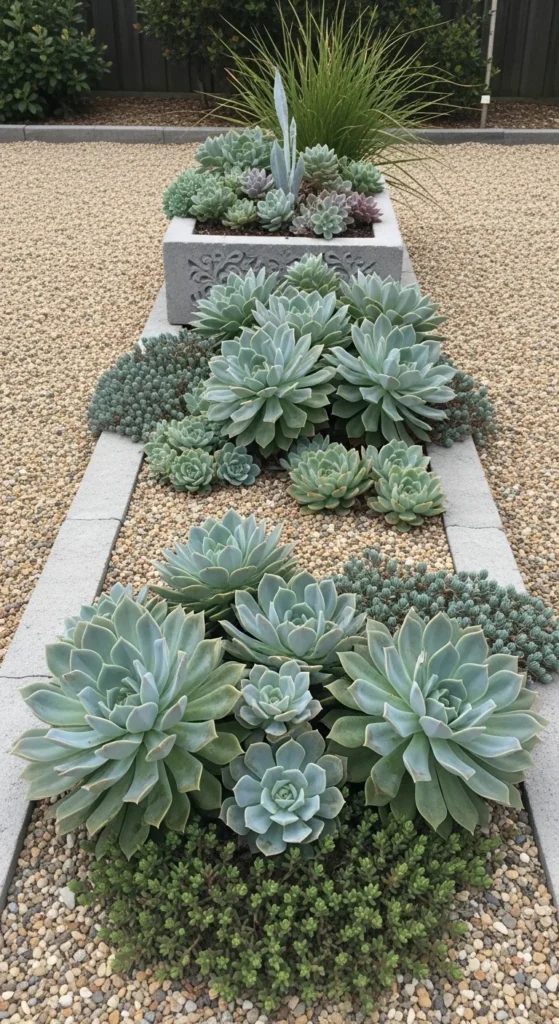
Succulent plants work extremely well in a coastal Australian garden because they tolerate dry soil, strong sunlight, and occasional salt exposure.
Their thick leaves store moisture efficiently, allowing them to survive in sandy soils where traditional garden plants often struggle.
Gardeners frequently arrange succulents in gravel beds to create visually striking planting zones that require very little maintenance.
Soft green, silver, and blue succulent tones blend naturally with sandy soil colors and coastal stone features.
Combining succulents with ornamental grasses or low groundcovers improves visual balance while maintaining the relaxed coastal atmosphere.
Raised planters or decorative containers can also highlight succulent collections while keeping the garden layout simple.
These hardy plants provide year round texture and color without requiring frequent watering or pruning.
8. Relaxing Seating Corners Surrounded by Coastal Plants
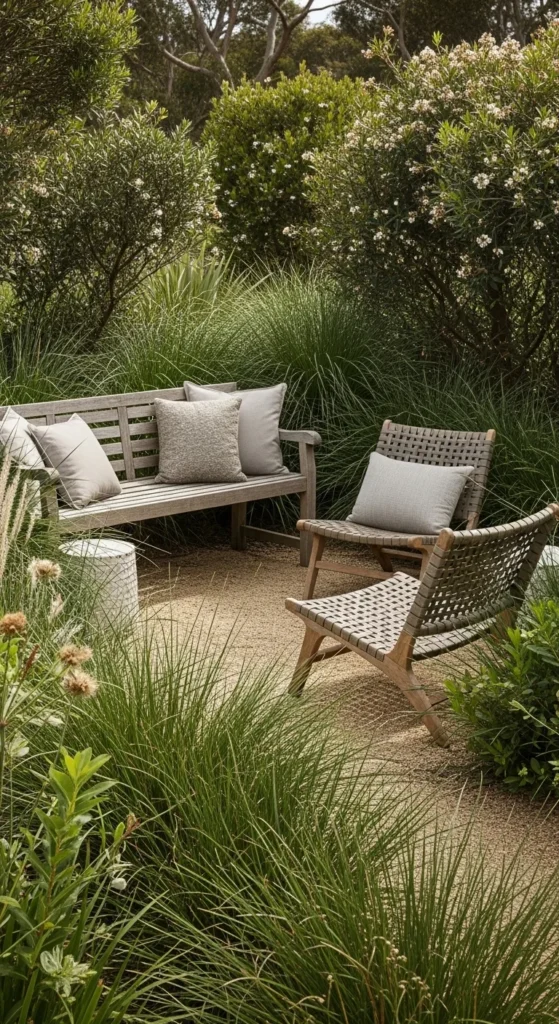
A quiet seating area surrounded by greenery can transform any coastal Australian garden into a peaceful retreat for relaxation and outdoor enjoyment.
Gardeners often place wooden benches, woven chairs, or simple outdoor loungers in shaded areas surrounded by grasses and native shrubs.
Positioning seating spaces along garden edges or near pathways encourages visitors to pause and enjoy the surrounding landscape.
Coastal plants such as ornamental grasses and flowering shrubs create natural privacy without making the space feel enclosed.
Using natural materials like timber, stone, and woven fabrics strengthens the relaxed beach inspired atmosphere.
Soft outdoor cushions in neutral colors can enhance comfort while complementing the natural coastal palette.
These seating corners encourage daily relaxation while strengthening the connection between people and their outdoor environments.
9. Soft Colored Flower Beds Inspired by Coastal Landscapes
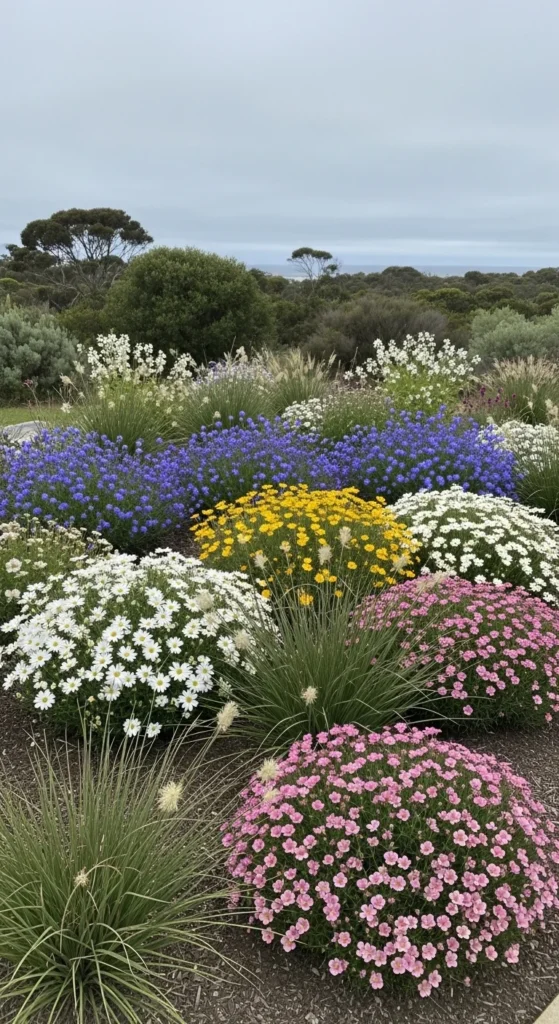
Flower beds with gentle color palettes help reinforce the calm visual style associated with a coastal australian garden design.
Gardeners often choose flowers in white, pale blue, soft yellow, and muted pink tones that resemble colors found along coastal landscapes.
Planting flowers in loose clusters instead of dense rows allows the garden to feel natural and slightly wild.
Combining flowering plants with grasses prevents beds from looking overly formal while maintaining a relaxed appearance.
Native flowering plants often perform best because they tolerate local climate conditions and support pollinators.
These plants attract bees, butterflies, and birds that bring life and movement into the garden.
The result is a colorful yet balanced landscape that remains simple and easy to maintain.
10. Gravel Courtyard Spaces for a Coastal Australian Garden
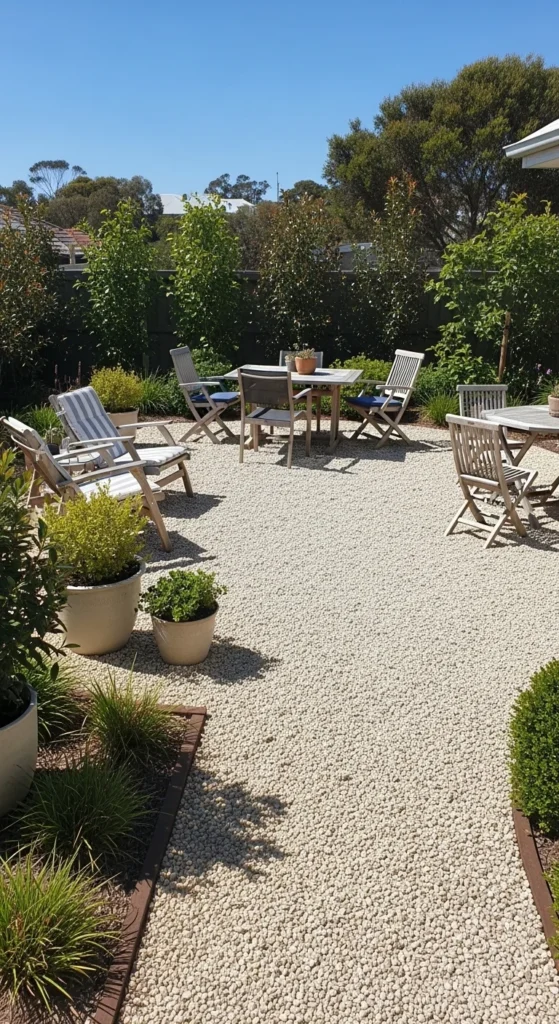
Gravel courtyards offer a practical solution for homeowners who want a functional gathering area within their coastal Australian garden.
Light colored gravel reflects sunlight and improves drainage, which helps gardens handle occasional heavy rainfall.
Designers often place simple outdoor furniture within gravel courtyards to create relaxed dining or lounging spaces.
Surrounding the courtyard with native shrubs, grasses, and potted plants softens the hard surface while adding natural greenery.
This layout creates a clean open area without requiring large lawns that demand constant watering and maintenance.
Gravel also produces gentle crunching sounds when walked upon, adding a sensory element to the garden experience.
These courtyards blend beautifully with coastal landscapes while remaining affordable and easy to maintain.
11. Coastal Shade Trees for Structure and Comfort
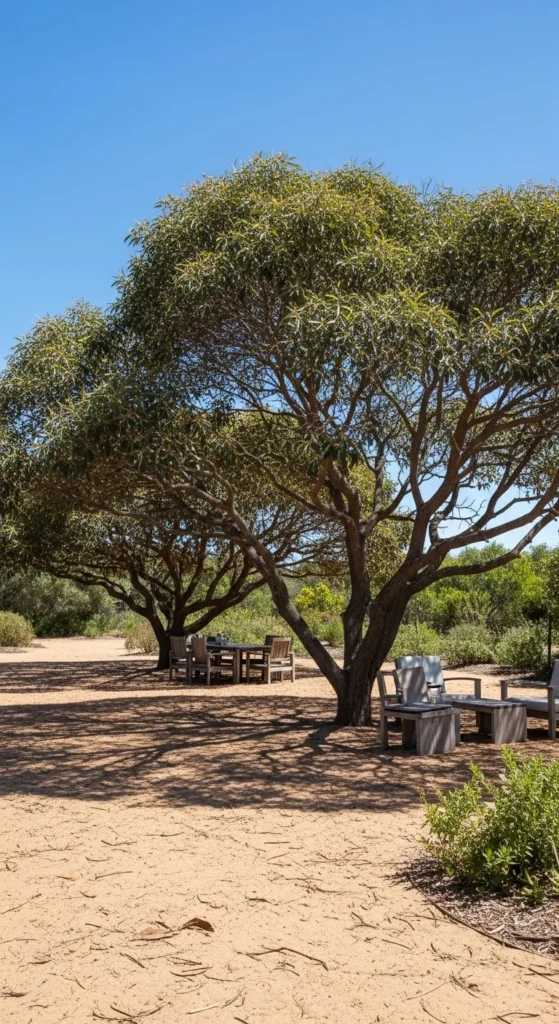
Shade trees bring vertical structure and natural cooling benefits to a thoughtfully designed coastal Australian garden landscape.
Hardy native trees often tolerate coastal winds and sandy soils much better than delicate ornamental species.
Placing seating areas beneath shade trees creates comfortable outdoor spaces where people can relax during warm afternoons.
Tree canopies filter sunlight gently while allowing refreshing coastal breezes to circulate through the garden.
Their roots also help stabilize loose sandy soil and reduce erosion in exposed garden areas.
Birds frequently nest within these trees, bringing additional wildlife activity to the garden.
A carefully positioned shade tree often becomes a central visual anchor within a coastal garden layout.
12. Natural Stone Edging for Coastal Garden Beds
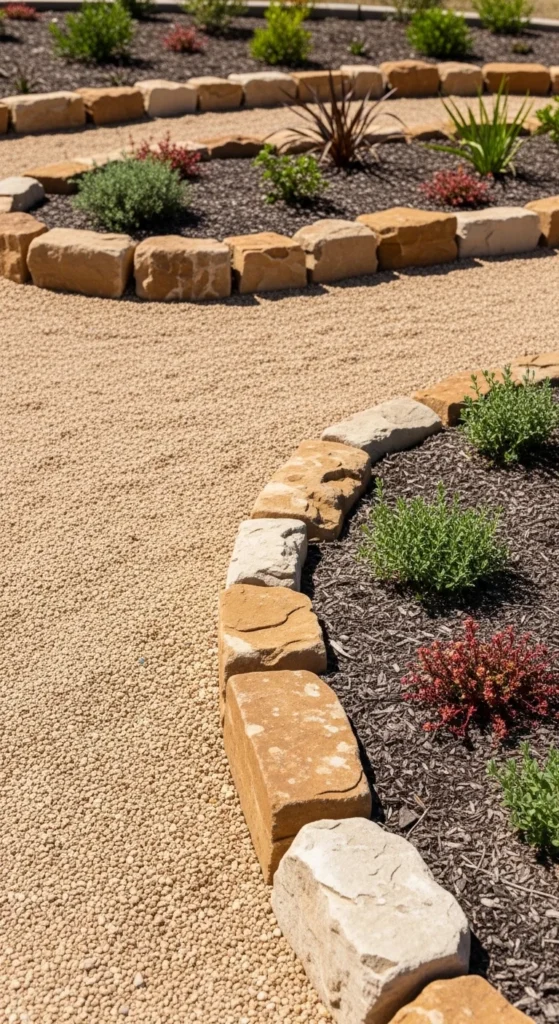
Stone edging helps define planting areas while maintaining the relaxed appearance associated with a coastal Australian garden style.
Rough stones, sandstone pieces, or weathered rocks blend naturally with gravel paths and sandy planting beds.
These materials create subtle boundaries without making the garden look overly structured or formal.
Stone borders also prevent soil from spilling onto pathways during heavy rain or strong winds.
Gardeners often combine stone edging with drought tolerant plants that spill gently over the edges.
This combination softens the stone while enhancing the organic appearance of the landscape.
Natural stone edging provides both visual structure and durability within coastal garden environments.
13. Simple Water Features for a Coastal Australian Garden
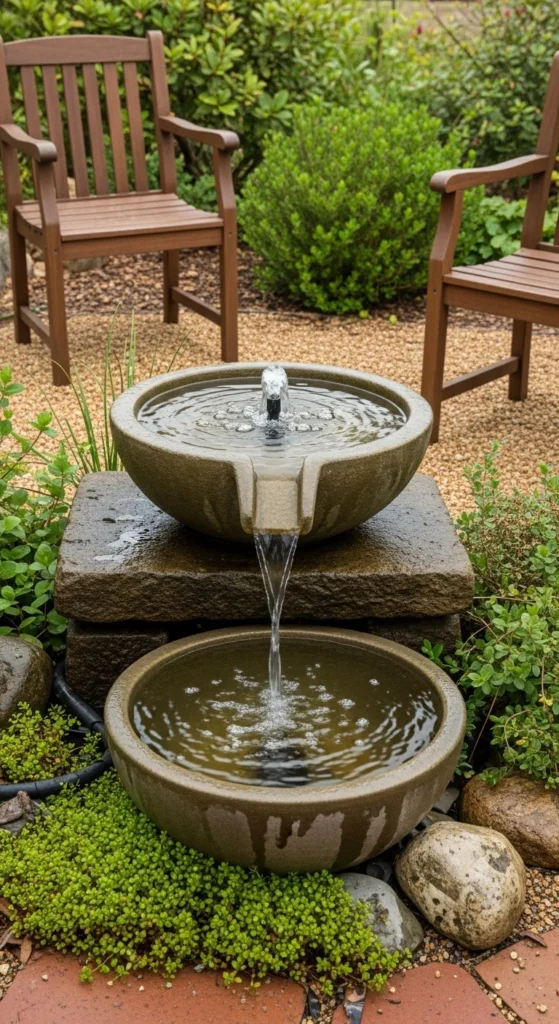
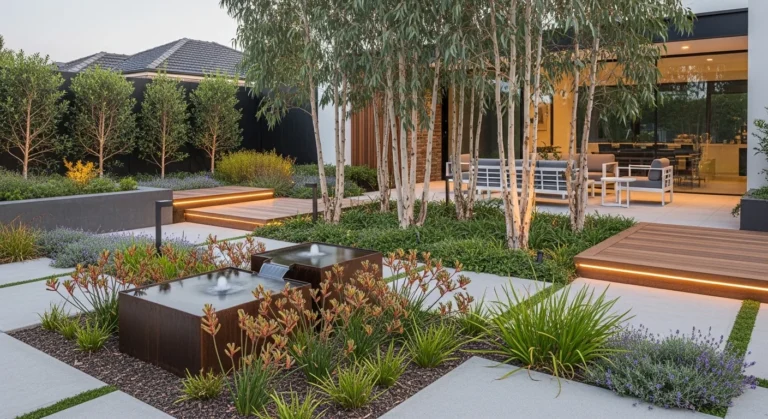
A small water feature can add calm movement and soothing sound to a relaxing coastal Australian garden environment.
Gardeners often install simple stone fountains, shallow bowls, or compact pond features that blend naturally with surrounding plants.
The gentle sound of flowing water enhances the peaceful atmosphere often associated with coastal living.
Water features also attract birds and beneficial wildlife that add life and activity to the garden.
Positioning the feature near seating areas allows visitors to enjoy the sound and visual movement.
Using natural stone or ceramic materials helps the feature blend seamlessly with coastal garden textures.
Even a small fountain can become a charming focal point within a simple coastal garden design.
14. Raised Coastal Garden Beds for Better Plant Growth
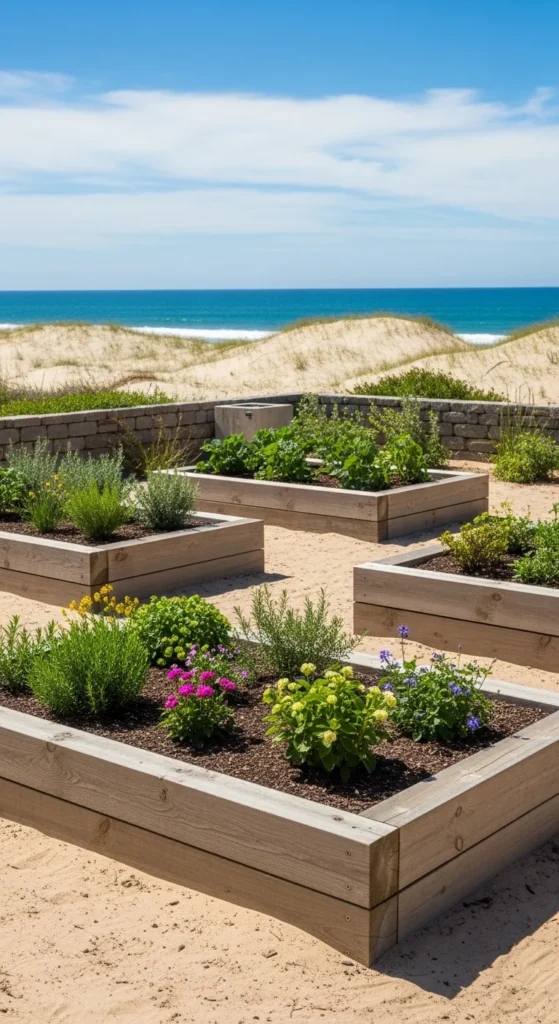
Raised beds provide gardeners with greater control over soil quality while strengthening the structure of a coastal Australian garden landscape.
Sandy coastal soil often drains quickly, which makes it difficult for some plants to retain enough moisture.
Raised planters allow gardeners to mix nutrient rich soil with sand, creating better growing conditions for coastal plants.
Timber or stone raised beds also introduce attractive layers that improve visual depth throughout the garden design.
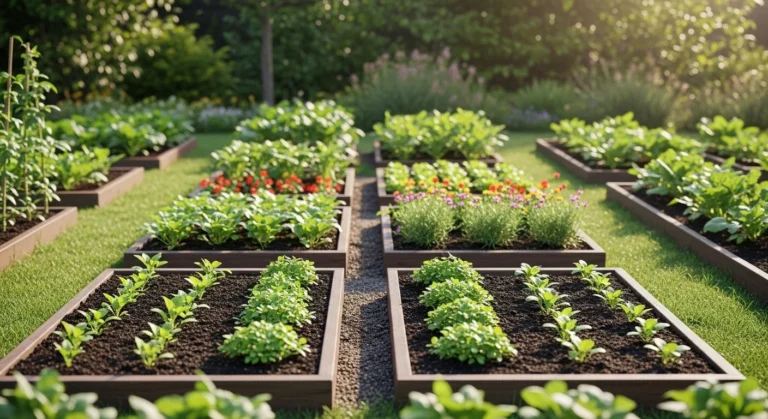
Planting herbs, flowering natives, and hardy shrubs inside raised beds creates organized greenery within open coastal layouts.
These structures also help protect delicate plants from strong coastal winds and shifting sand.
Raised garden beds offer both practical benefits and stylish design appeal within coastal outdoor environments.
15. Coastal Container Gardens for Flexible Plant Displays
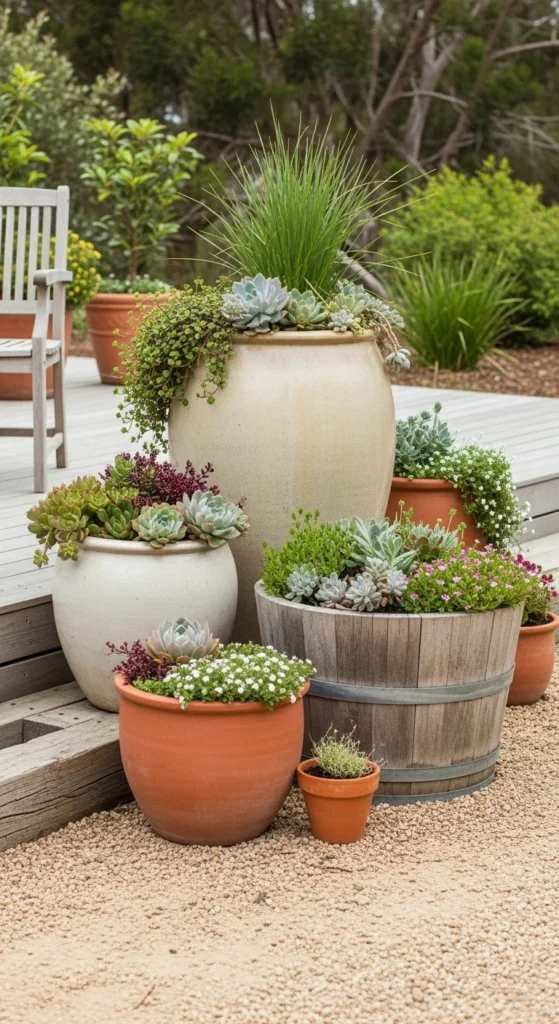
Container gardening offers a flexible and creative way to expand a coastal Australian garden without major landscaping changes.
Large ceramic pots, terracotta containers, and weathered wooden planters complement the relaxed coastal design style.
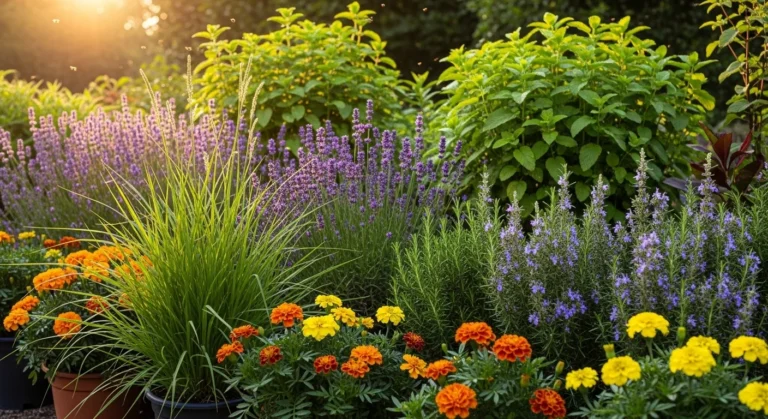
Gardeners often fill containers with succulents, native grasses, or compact flowering plants that tolerate sunny coastal conditions.
Containers also allow homeowners to rearrange plants easily when refreshing the garden layout.
Placing pots near seating areas, pathways, or decks helps add color and greenery to empty corners.
Using containers with soft natural tones maintains harmony with sandy soil, gravel textures, and timber features.
Container gardens provide beauty and flexibility while requiring minimal maintenance.
16. Beach Inspired Outdoor Lighting for Coastal Gardens
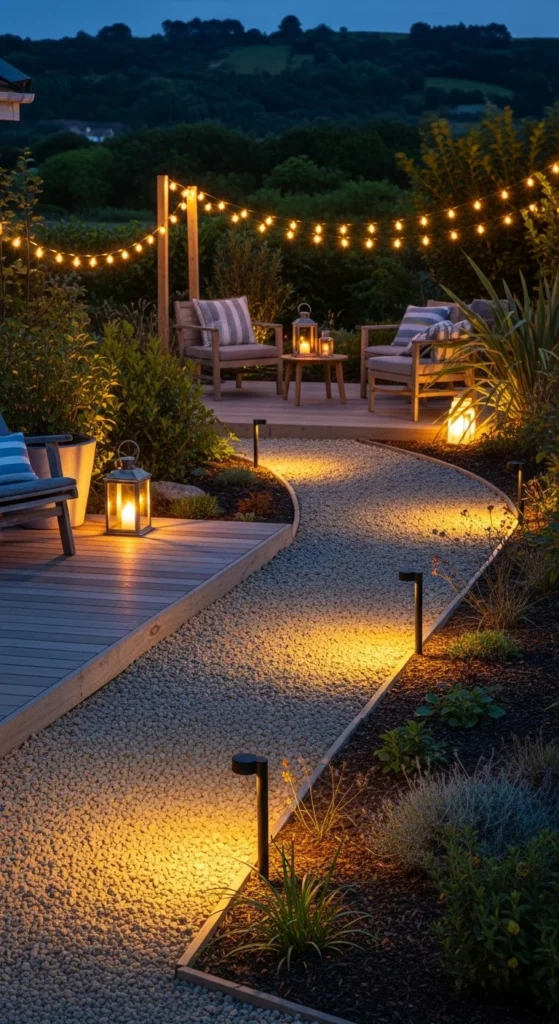
Outdoor lighting can transform a coastal Australian garden into a relaxing evening retreat filled with a warm and welcoming atmosphere.
Soft lighting placed along pathways helps guide movement through the garden while highlighting important landscape features.
String lights, lanterns, and low garden lights create gentle illumination without overpowering the natural environment.
Warm toned lighting works especially well with timber decking, gravel paths, and coastal plants.
Placing lights near seating areas encourages people to enjoy the garden after sunset.
Solar powered lighting options also reduce energy use while keeping installation simple.
Well planned lighting improves both safety and ambiance throughout coastal outdoor spaces.
17. Vertical Green Walls in a Coastal Australian Garden
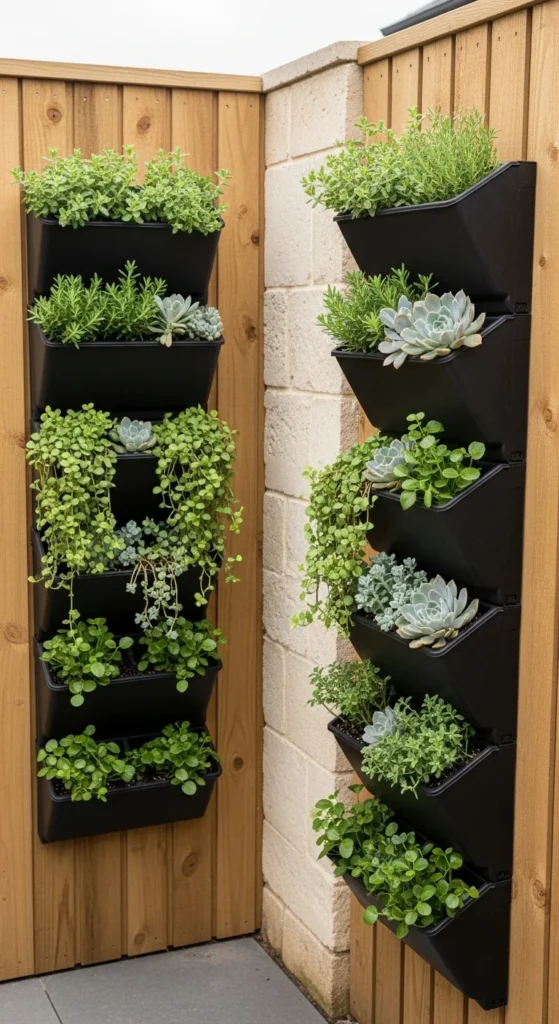
Vertical gardens provide an excellent solution for adding greenery to compact spaces within a coastal Australian garden design.
Gardeners often install vertical planters on fences or walls to maximize planting areas without using valuable ground space.
Trailing plants, succulents, and compact herbs grow beautifully in vertical arrangements.
These living walls introduce fresh texture and color while improving the garden’s visual depth.
Vertical gardens also help soften hard surfaces such as wooden fences or stone walls.
Using drought tolerant plants keeps maintenance simple and suitable for coastal climates.
A vertical garden can become a striking focal point within small patios or courtyard spaces.
18. Sand Inspired Relaxation Zones in Coastal Gardens
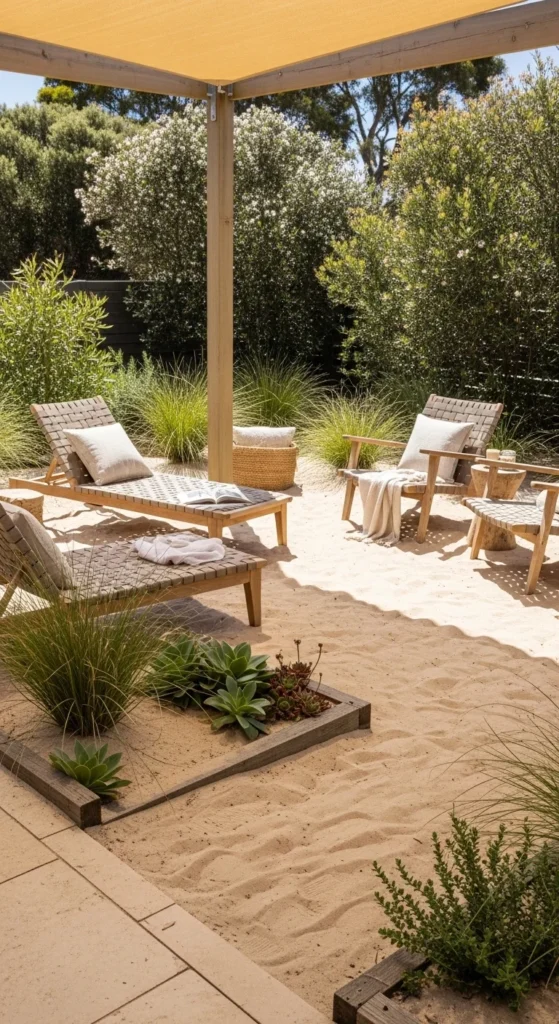
A small sand inspired area can recreate the feeling of a beach retreat inside a coastal Australian garden.
Gardeners often design these zones with light sand textures surrounded by grasses, succulents, and coastal shrubs.
Comfortable seating such as wooden loungers or woven chairs helps transform the space into a peaceful relaxation corner.
Natural materials like timber and stone strengthen the connection between the garden and coastal landscapes.
This type of space encourages mindfulness, outdoor reading, or quiet moments surrounded by nature.
Adding shade from nearby plants or pergolas increases comfort during sunny afternoons.
A sand inspired relaxation area can capture the true spirit of coastal living.
19. Wildlife Friendly Spaces in a Coastal Australian Garden
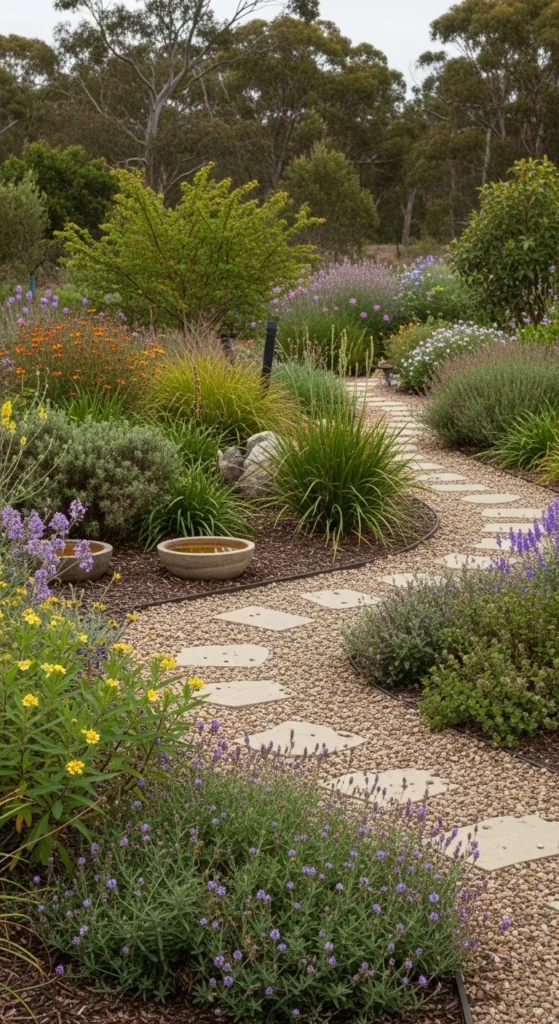
Designing wildlife friendly spaces helps create a vibrant and ecologically balanced coastal Australian garden environment.
Native plants produce nectar, seeds, and shelter that support birds, butterflies, and beneficial insects.
Gardeners often include flowering shrubs, grasses, and groundcovers that provide year round food sources.
Small water bowls or bird baths attract wildlife while adding life and movement to the garden.
Avoiding chemical pesticides helps maintain a healthy ecosystem within the landscape.
Layered planting also provides safe nesting spaces for birds and small animals.
A wildlife friendly garden feels alive while supporting the surrounding natural environment.
Common Mistakes to Avoid in a Coastal Australian Garden
Many gardeners make the mistake of choosing plants that cannot tolerate salty air, strong winds, or sandy soil conditions.
Delicate ornamental plants often struggle in coastal climates and require constant care to survive.
Overcrowding garden beds can also disrupt airflow and create maintenance challenges.
Using heavy irrigation systems may waste water because coastal gardens typically rely on drought tolerant plants.
Another common mistake involves selecting materials that deteriorate quickly when exposed to moisture and sea air.
Choosing durable natural materials helps gardens remain attractive for many years.
Avoiding these mistakes allows homeowners to create stronger and more sustainable coastal landscapes.
Simple Maintenance Tips for a Coastal Australian Garden
Maintaining a thriving coastal Australian garden becomes easier when gardeners follow simple care routines designed for coastal environments.
Water plants deeply but less frequently to encourage stronger root systems in sandy soils.
Prune shrubs and grasses regularly to maintain natural shapes and improve airflow throughout the garden.
Check pathways and gravel areas occasionally to keep surfaces smooth and evenly distributed.
Adding organic mulch around plants can help retain moisture and reduce weed growth.
Inspect timber structures regularly to protect them from weather exposure.
These small maintenance habits keep coastal gardens healthy, attractive, and easy to manage.
Closing Notes
A thoughtfully designed coastal Australian garden combines natural beauty, durability, and relaxed outdoor living inspired by Australia’s stunning shoreline environments.
Using native plants, natural materials, and simple layouts helps gardens remain both attractive and practical.
Each idea within this guide offers inspiration for creating peaceful outdoor spaces filled with texture, greenery, and coastal charm.
Homeowners can mix several of these design elements to create unique gardens that suit their space and lifestyle.
With the right planning and plant choices, any outdoor area can reflect the calm atmosphere of Australia’s beautiful coastal landscapes.