How to Design a Kids’ Room
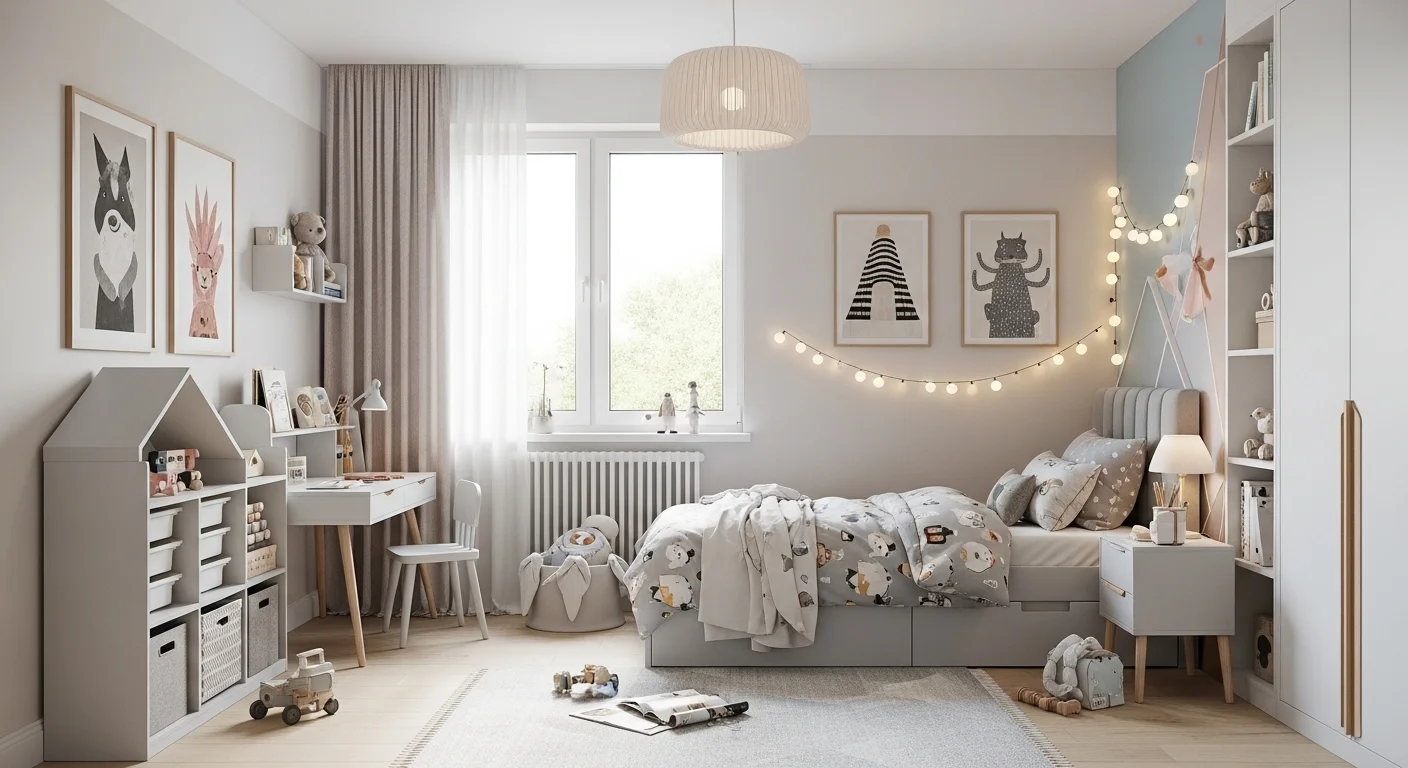
Designing a kids’ room involves creating a safe, functional, and inspiring space tailored to the child’s age, personality, and interests. Key elements include age-appropriate furniture, playful yet organized layouts, and a balance of colors, textures, and storage solutions.
Designing a kids’ room is not just about decorating a space; it is about creating an environment where your child feels safe, inspired, and happy.
Every child is unique, and their room should reflect their personality, interests, and daily needs.
When planning a kids’ room, parents often wonder how to combine functionality with playful aesthetics without overcrowding the space.
This article will guide you on how to design a kids room effectively, offering creative ideas, practical solutions, and expert tips that can make any space feel magical.
You will also discover tips on furniture placement, storage, learning zones, decor, and safety considerations, all designed to create a balanced and engaging environment.
By following these strategies, your child’s room will not only be beautiful but also highly functional and adaptable as they grow.
Understanding Your Child’s Needs Before Designing
Before designing a room, it is essential to understand your child’s personality, age, and hobbies, which will guide every choice you make.
Dividing the space into functional zones, such as play, study, sleep, and storage areas, ensures the room is practical and organized.
Involving your child in selecting themes, colors, or certain furniture pieces can make them feel included and proud of their personal space.
A room designed according to your child’s daily routines will encourage independence, creativity, and comfort, making it an environment where they can thrive.
Consider how the room will evolve with your child’s interests and developmental needs, ensuring the space remains relevant for years to come.
By keeping these points in mind, you can create a balanced, purposeful space while avoiding unnecessary clutter or mismatched decor elements.
Choosing the Right Color Palette and Themes
Colors play a major role in influencing mood, energy, and creativity in a child’s room.
Choosing a harmonious palette with neutral base tones and playful accent colors can create a calm yet inspiring environment.
Subtle themes based on your child’s interests, such as nature, animals, or space, help personalize the room without overwhelming the senses.
Soft pastels or vibrant primary colors can be used strategically to highlight zones like play areas, study corners, or reading nooks.
Avoid overly bright or harsh combinations that may distract or overstimulate children, while still maintaining a fun and inviting atmosphere.
Selecting long-lasting, safe, and easy-to-clean paints or wallpapers ensures the design remains practical while still looking beautiful.
Using alternate keywords naturally, such as themed bedroom ideas for children or playful kids room design, helps reinforce the main topic.
Maximizing Space with Smart Furniture
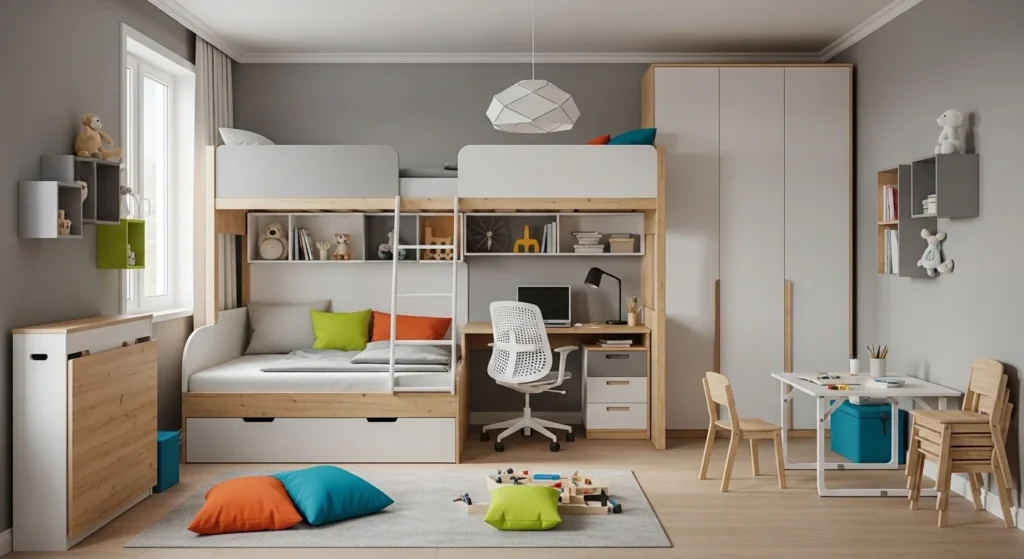
Smart furniture choices allow you to maximize space while providing comfort and functionality.
Bunk beds, loft beds, and modular furniture offer sleeping and storage solutions without crowding the room.
Multi-purpose furniture such as desks with built-in shelves or foldable play tables enhances usability while maintaining flexibility.
Arranging furniture to leave open play areas encourages physical activity, imaginative play, and free movement throughout the room.
Compact seating and stackable chairs create additional seating options for visitors without compromising space.
Choosing furniture that grows with your child, like adjustable desks or extendable beds, ensures long-term usability and investment value.
Creative Storage Solutions for a Clutter-Free Room
Innovative storage solutions are essential to maintain a tidy and organized kids’ room without limiting play space.
Under-bed drawers, wall-mounted shelves, and modular storage units provide ample space for toys, books, and clothes.
Labeling boxes and bins allows children to easily identify where items belong, encouraging independence and responsibility from a young age.
Open shelving in accessible areas helps kids quickly retrieve their favorite toys and return them after use, reducing clutter.
Rotating toys and storing seasonal items separately ensures the room never feels overcrowded while maintaining accessibility to frequently used items.
Using fun baskets, bins, or colorful containers adds personality to the storage areas while making the room visually engaging for children.
Incorporating Learning and Play Zones
Designing distinct zones in a kids’ room balances educational needs and creative play, making the space functional yet inspiring.
A dedicated study corner with a comfortable chair, desk, and good lighting encourages focus and proper posture during homework or crafts.
Play zones with activity rugs, toy organizers, or reading nooks stimulate imagination while providing a safe and organized area for entertainment.
Flexible furniture arrangements allow these zones to adapt as your child grows, ensuring continued usability over the years.
Adding interactive wall art, magnetic boards, or chalkboard sections can further enhance learning and creativity within the room.
This separation of zones teaches children discipline and structure while still allowing them the freedom to explore and express themselves fully.
Safety Considerations in Kids’ Room Design
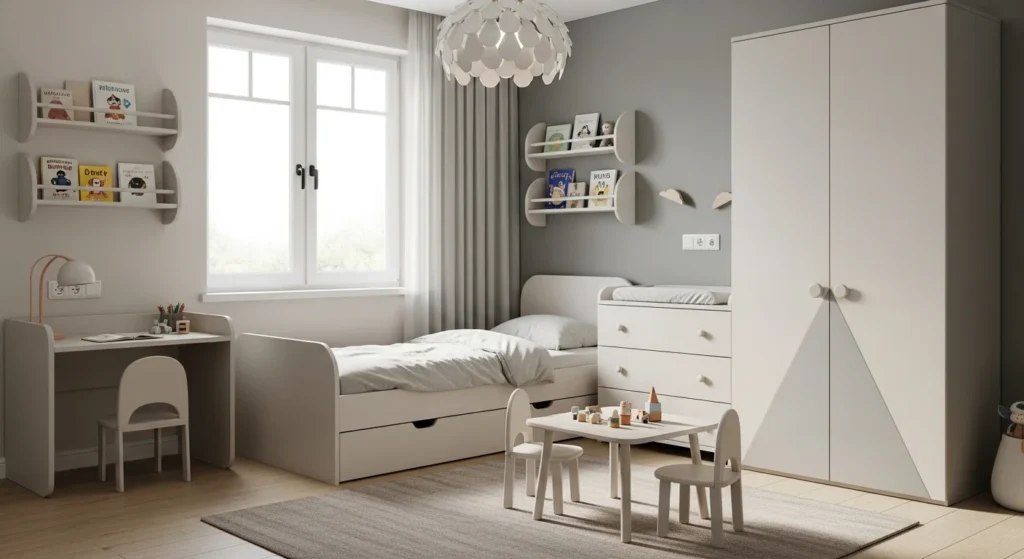
Ensuring safety in a child’s room is as important as creating an attractive and functional space.
Childproof furniture edges, secure shelving, and outlet covers reduce the risk of accidents in daily activities.
Non-toxic paints, adhesives, and materials guarantee a healthy environment without compromising design aesthetics.
Furniture placement should allow unobstructed movement and easy supervision, especially for younger children who need constant monitoring.
Anchoring tall furniture to the walls prevents tipping, and window locks or guards provide additional safety for upper floors.
Prioritizing safety in every design choice ensures that the room is not only beautiful but also a secure place for children to grow and play.
Adding Personal Touches and Decor
Adding personal touches creates a warm and inviting space that feels unique to your child’s personality.
Framed artwork, family photos, or DIY crafts can be displayed on walls or shelves to personalize the environment.
Soft textures like rugs, cushions, and curtains enhance comfort while adding layers of color and pattern to the room.
Seasonal or evolving decor allows the room to grow with the child, keeping it fresh and exciting over time.
Small details such as themed bedding, playful wall decals, or personalized nameplates create a sense of ownership and pride in the space.
Decor choices should balance functionality and aesthetics while ensuring the room remains flexible for future changes in taste and needs.
Lighting Ideas to Brighten the Room
Proper lighting can dramatically enhance both functionality and ambiance in a child’s room.
Natural lighting through windows provides energy, warmth, and helps regulate sleep patterns while brightening the space.
Layered lighting, including ambient, task, and accent lights, ensures every area of the room is well-lit for play, study, or relaxation.
Fun lighting options such as fairy lights, themed lamps, or nightlights add personality while creating a cozy, inviting atmosphere.
Adjustable lighting near study areas helps prevent eye strain, while softer lights in sleep zones promote relaxation and comfort.
Choosing energy-efficient and safe lighting fixtures ensures the room remains functional, eco-friendly, and child-safe for years to come.
Innovative Tech and Educational Elements
Integrating technology in a kids’ room can enhance creativity, learning, and engagement when used thoughtfully.
Interactive boards, educational gadgets, or digital drawing tablets encourage skill development and imaginative play without dominating the space.
Smart lighting or app-controlled devices can provide adjustable brightness and color options to create different moods throughout the day.
Digital storage solutions for e-books, games, or learning apps help reduce clutter while making educational resources easily accessible.
Balancing technology with traditional toys and hands-on activities ensures children develop a variety of skills without becoming overly dependent on screens.
Introducing tech elements in moderation creates a modern, stimulating environment that complements the room’s overall design while supporting learning and growth.
Maintaining a Functional and Evolving Room
A children’s room should evolve with their changing interests and developmental needs to remain functional and relevant over time.
Flexible furniture, modular layouts, and adjustable storage solutions make it easy to adapt the space as your child grows.
Periodic decluttering, toy rotation, and updating decor ensure the room stays organized, inviting, and clutter-free.
Encouraging children to participate in maintaining their space teaches responsibility and fosters organizational skills.
Planning for the future when choosing furniture and decor saves time and money while creating a room that grows along with your child.
Maintaining balance between aesthetics, functionality, and adaptability ensures the room remains a nurturing environment for years to come.
Final Wrap-Up
Designing a kids’ room involves more than decorating; it is about creating a space where children feel safe, inspired, and encouraged to explore.
By understanding your child’s needs, selecting the right color palette, and dividing the room into functional zones, you can achieve a balanced, engaging environment.
Smart furniture, creative storage, and personal touches ensure the room remains both practical and visually appealing as your child grows.
Integrating safety measures, proper lighting, and thoughtful technology enhances comfort, learning, and overall well-being within the space.
Finally, maintaining adaptability and updating the room over time guarantees that the environment continues to support your child’s development and creativity.
A well-designed kids’ room not only improves functionality but also nurtures imagination, learning, and lasting happiness for your child.