19 Low Maintenance Australian Garden Ideas for Easy Care
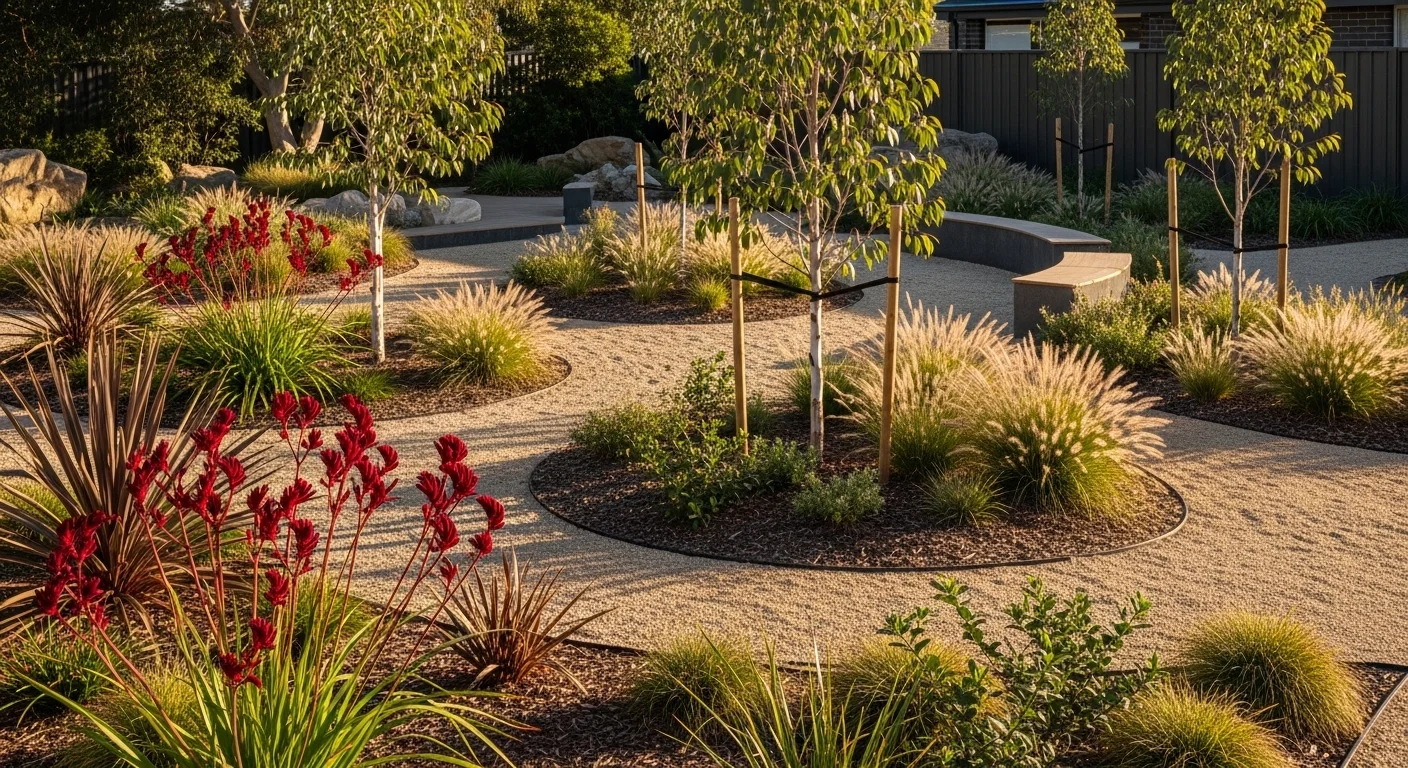
A low maintenance Australian garden offers a practical way to enjoy a beautiful outdoor space without spending endless hours caring for delicate plants.
Many homeowners now want gardens that thrive naturally in harsh sunlight, unpredictable weather, and dry conditions common across many Australian regions.
The growing interest in drought-tolerant landscaping, sustainable backyard design, and native plant use shows how people value both convenience and long-lasting beauty.
A garden that suits Australia’s environment reduces water needs, lowers gardening costs, and saves valuable time for busy families.
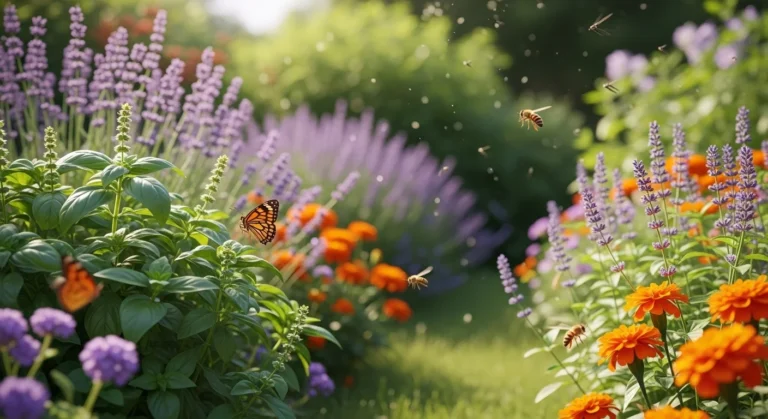
It also supports the ecosystem by attracting birds, insects, and wildlife that naturally belong to the local landscape.
This article explores nineteen creative ideas that help you design a low maintenance Australian garden suited to modern living.
Why Low Maintenance Gardens Are Growing in Popularity Across Australia
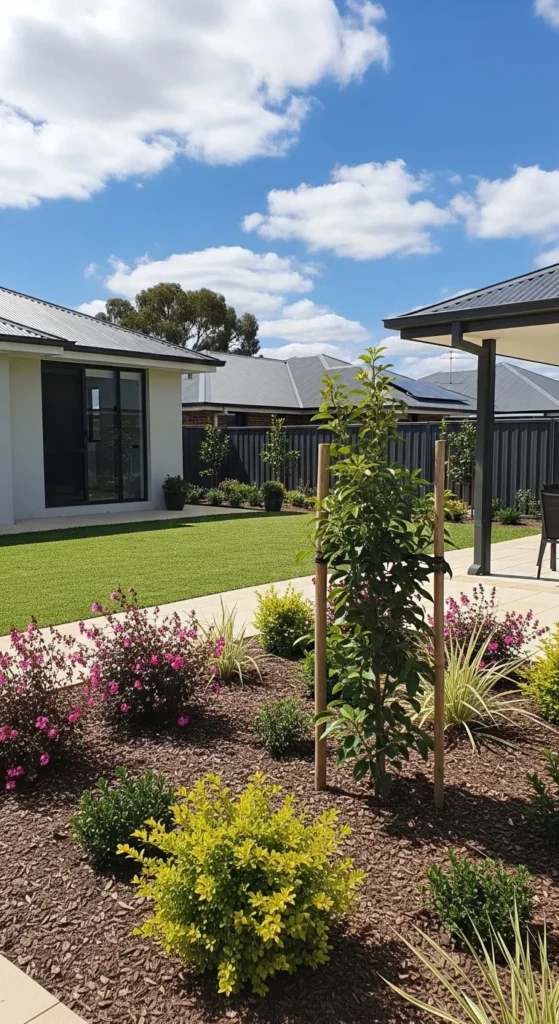
Many people prefer low maintenance gardens because they want outdoor spaces that look beautiful without constant watering, trimming, or weekly care.
Australia’s warm climate demands plant choices that handle long periods of heat and occasional drought without losing their strength or colour.
These garden styles also reduce long-term costs by cutting down water bills, replacing fewer plants, and avoiding frequent landscaping services.
A low maintenance Australian garden naturally supports the environment, allowing native species to thrive while reducing pressure on local water resources.
This approach brings practicality and sustainability together, giving homeowners a peaceful retreat that requires little attention compared to traditional lawns.
How Climate, Soil, and Lifestyle Shape Modern Australian Garden Design
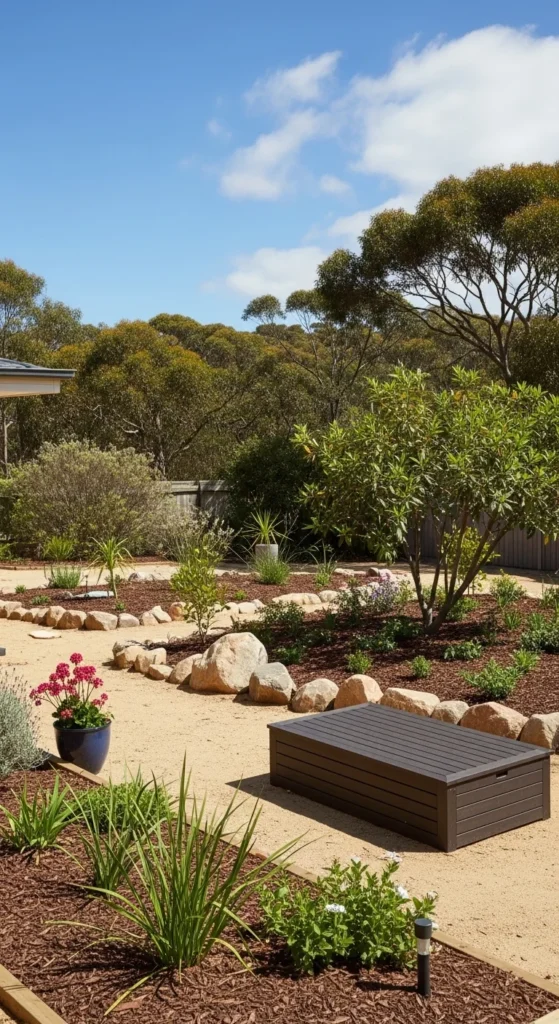
Australia’s unique climate influences how people design their gardens because sunlight, heat, and rainfall levels differ widely across regions.
Gardeners need solutions that work efficiently in sandy coastal soils, clay-heavy inland soils, or rocky terrain found near bushland areas.
Lifestyle also plays an important role because modern households prefer simple garden setups that blend naturally with outdoor living habits.
People want gardens that allow space for relaxing, entertaining, and enjoying fresh air without demanding constant care or maintenance routines.
These environmental and lifestyle realities create strong interest in low maintenance garden ideas that match Australia’s natural conditions.
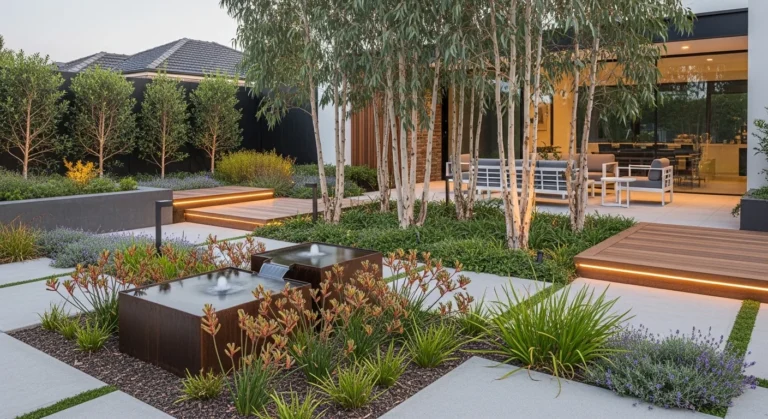
1. Choose Hardy Australian Native Plants for Effortless Growth
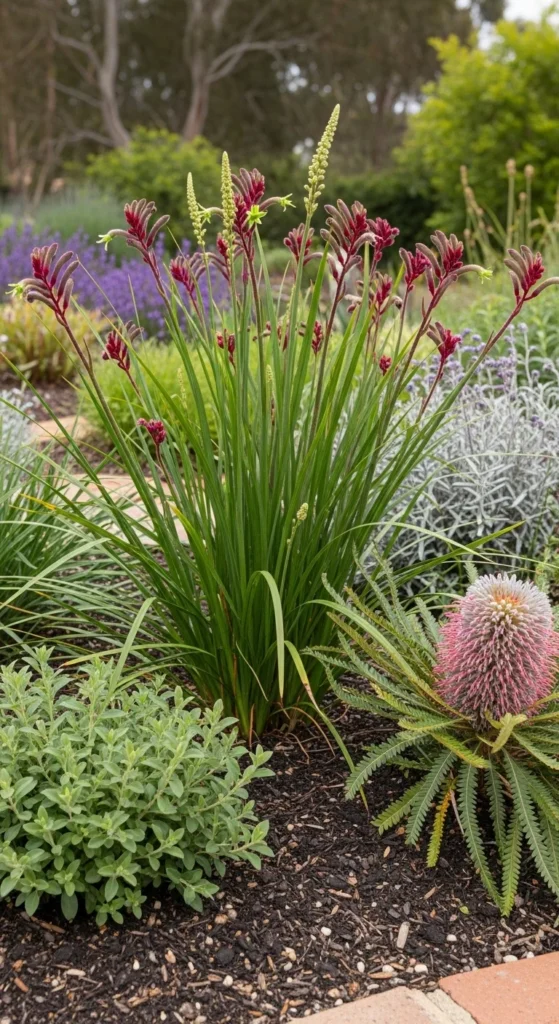
Growing hardy Australian native plants helps you create a garden that stays healthy with minimal effort throughout the year.
These plants adapt naturally to local soil and weather conditions, which makes them far easier to manage than high-maintenance imported species.
Popular natives like kangaroo paw, lomandra, grevillea, and banksia thrive with little water and resist common pests found in many regions.
They also attract birds, bees, and butterflies that help maintain a vibrant and balanced outdoor environment without additional work.
Choosing native plants provides long-term benefits because they grow consistently, require little trimming, and survive harsh summers with minimal attention.
This approach supports a low maintenance Australian garden that feels natural, colourful, and rewarding without demanding daily care.
2. Create a Drought-Tolerant Gravel Garden
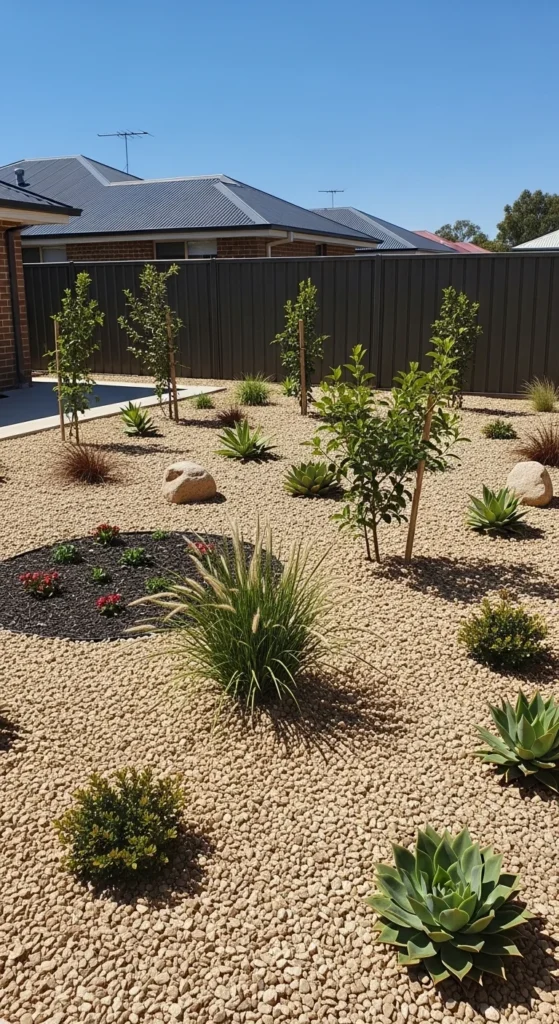
A gravel garden offers an attractive low maintenance option because it reduces weeds, limits water use, and handles heat extremely well.
This style works beautifully in Australian climates where sun exposure and dry periods challenge the survival of traditional green lawns.
You can mix gravel with drought-tolerant plants like succulents, native grasses, and compact shrubs that grow well with limited watering.
The gravel layer protects the soil beneath, helping it retain moisture while preventing unwanted weeds from spreading across the garden.
This design creates a clean, modern look that stays consistent throughout the year without constant upkeep or seasonal adjustments.
A gravel garden adds structure, improves drainage, and keeps your outdoor space tidy while supporting a low maintenance Australian garden theme.
3. Build a Rock Garden Inspired by the Australian Outback
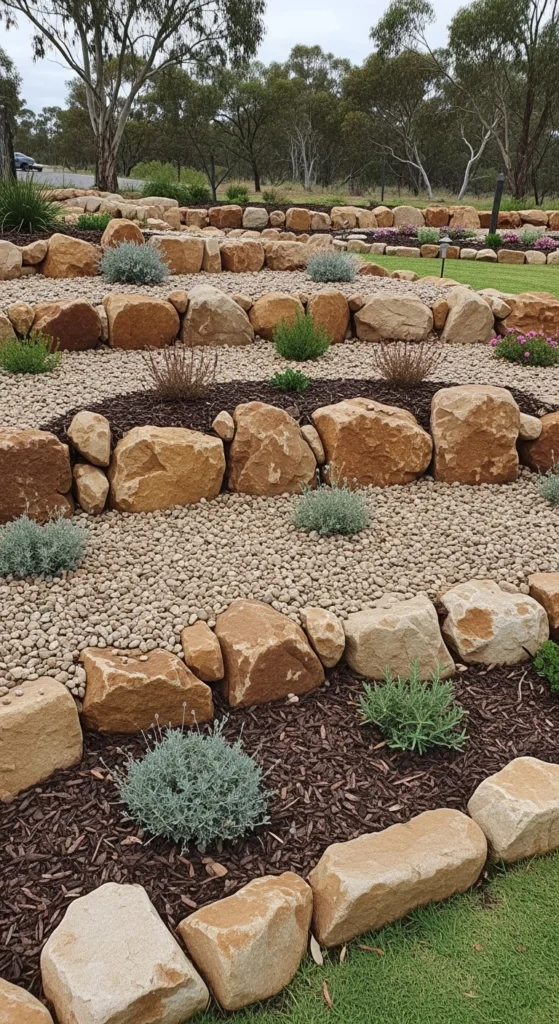
A rock garden inspired by the Australian outback brings a rugged and natural look to your landscape while requiring very little maintenance.
Rocks create structure and texture that remain unchanged throughout the seasons, making them an excellent long-lasting design element.
Placing rocks of different shapes and sizes helps you form interesting layers and visual depth without adding complicated features.
You can grow hardy native plants like spinifex, saltbush, and wattles between the rocks for minimal watering and easy care.
This style handles heat extremely well because rocks absorb warmth during the day and release it slowly through the evening.
An outback-inspired rock garden strengthens the low maintenance Australian garden aesthetic by blending natural resilience with striking design.
4. Use Mulch Layers to Reduce Watering and Weeding
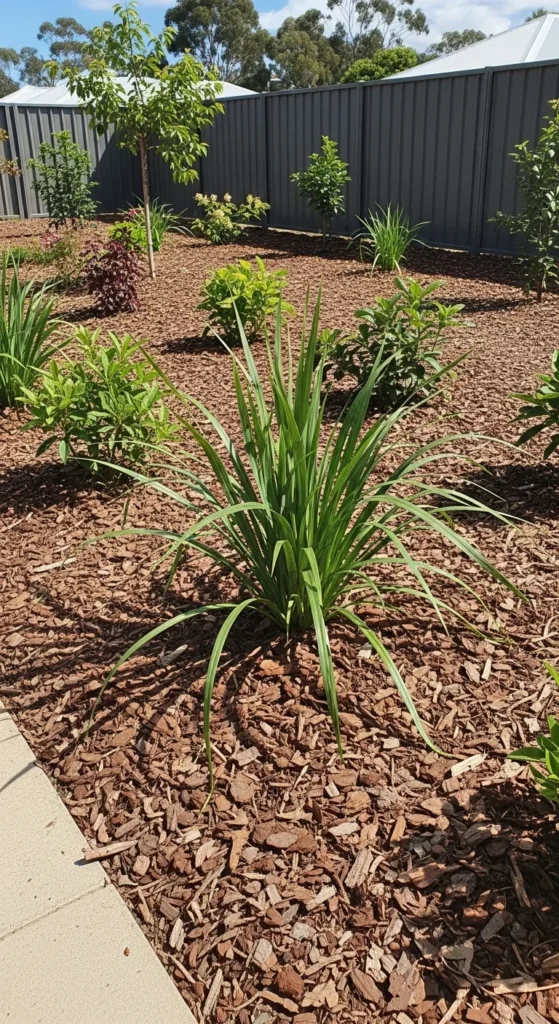
Mulch is one of the simplest and most reliable tools for maintaining a healthy garden with very little ongoing effort.
A thick mulch layer keeps soil cool, locks in moisture, and protects plant roots during extreme heat or dry conditions.
Mulch also blocks sunlight from reaching the ground, which reduces weed growth and saves you from constant pulling or chemical treatments.
Organic mulches like wood chips or bark slowly break down over time, adding nutrients that naturally enrich the surrounding soil.
This method works extremely well in low maintenance Australian garden designs because it supports plant health and decreases water usage.
With mulch covering the soil, your garden stays tidy, nourished, and protected with minimal weekly care.
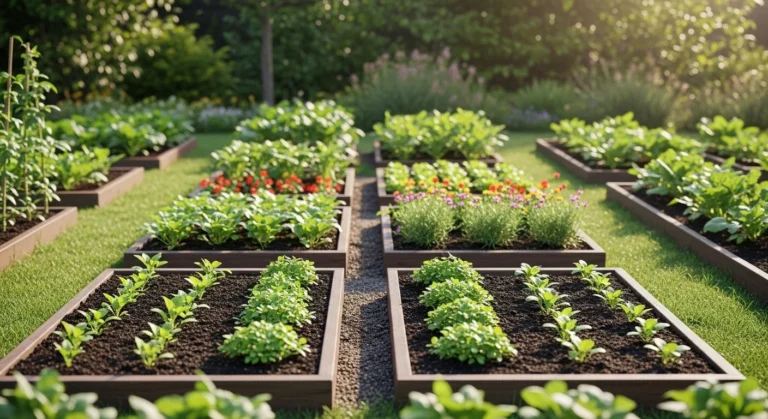
5. Add Raised Garden Beds for Better Control and Minimal Care
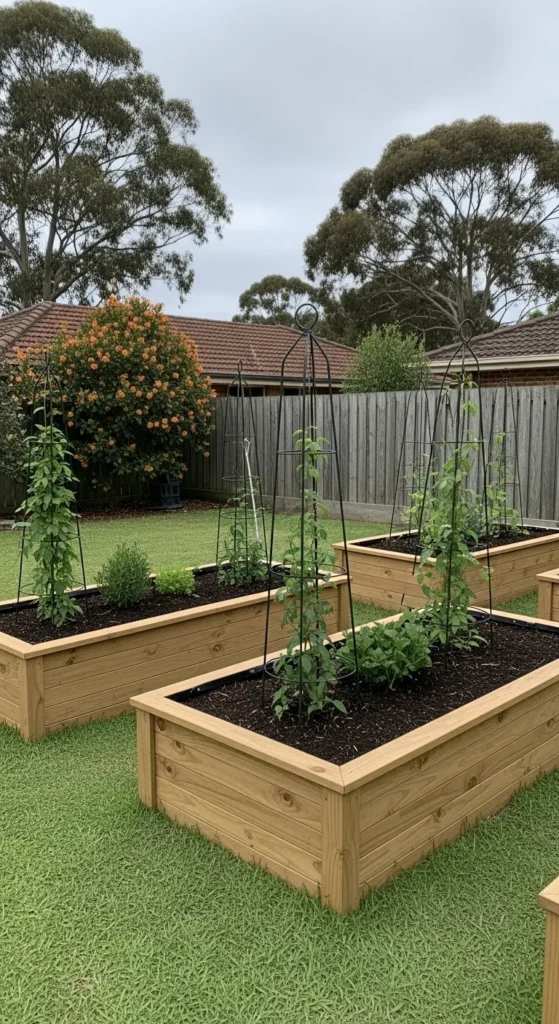
Raised garden beds offer excellent control over soil quality, drainage, and plant health, which makes them easier to manage long term.
They help prevent soil compaction, improve water distribution, and provide better growing conditions than ground-level garden spaces.
These beds are perfect for herbs, compact shrubs, and hardy flowers that thrive with limited attention and occasional watering.
You can also reduce bending and physical strain because raised beds sit at a comfortable height for planting and maintenance tasks.
Their structure provides clear boundaries that simplify layout planning while keeping your low maintenance Australian garden neat and organised.
Raised beds create a controlled environment that supports strong plant growth with less work and fewer seasonal challenges.
6. Incorporate Succulents and Dry-Tolerant Species
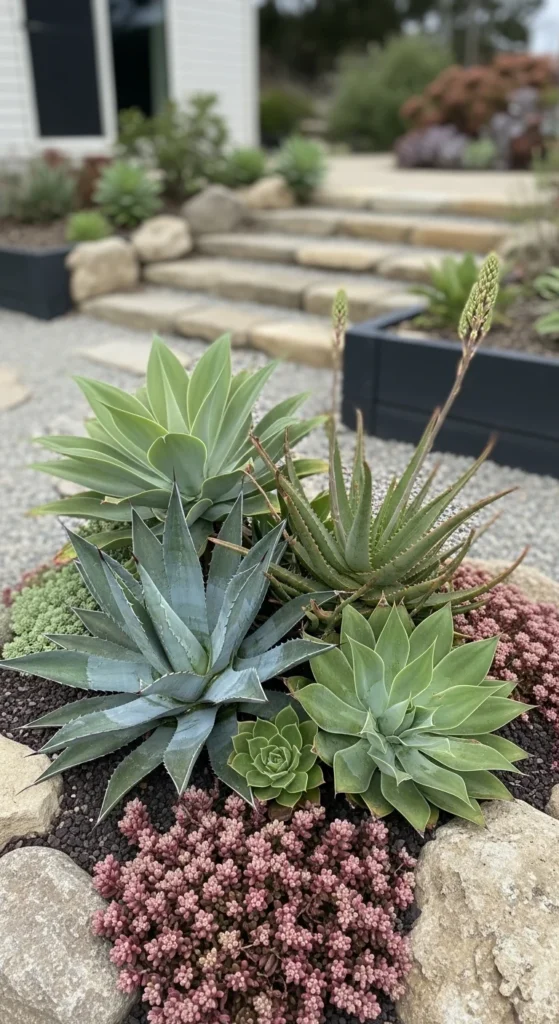
Succulents offer exceptional durability in Australian climates because they store water naturally and require extremely limited care.
Their unique shapes, colours, and textures add visual interest that complements modern landscaping styles and natural outdoor settings.
You can plant succulents in pots, gravel beds, rocky slopes, or raised planters to suit any garden layout or design preference.
Species like agave, aloe, and sedum grow reliably with minimal watering, making them ideal choices for busy homeowners.
Grouping succulents together creates a sculptural look that stays impressive throughout the year with very little maintenance involved.
They enhance your low maintenance Australian garden by providing beauty, resilience, and structure without needing constant attention.
7. Design a Small Native Shrub Corner
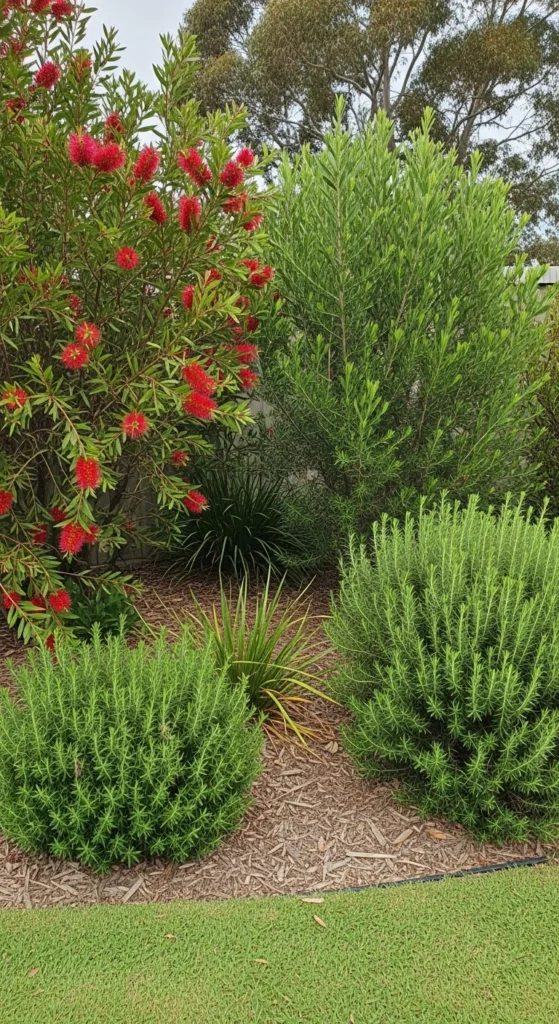
A native shrub corner brings structure, colour, and long-lasting greenery into your garden without requiring frequent maintenance or care.
Shrubs like bottlebrush, coastal rosemary, and tea tree stay strong in challenging climates and grow steadily with minimal attention.
You can plant them in clusters to create a dense, natural look that fills space without needing constant trimming or reshaping.
These shrubs also act as windbreaks, privacy screens, and wildlife shelters that improve the overall balance of your outdoor environment.
A small shrub corner works extremely well in a low maintenance Australian garden because it stays attractive throughout the year.
This feature enhances garden depth while reducing the amount of work needed to keep your outdoor space healthy and inviting.
8. Install Automated Drip Irrigation for Consistent Watering
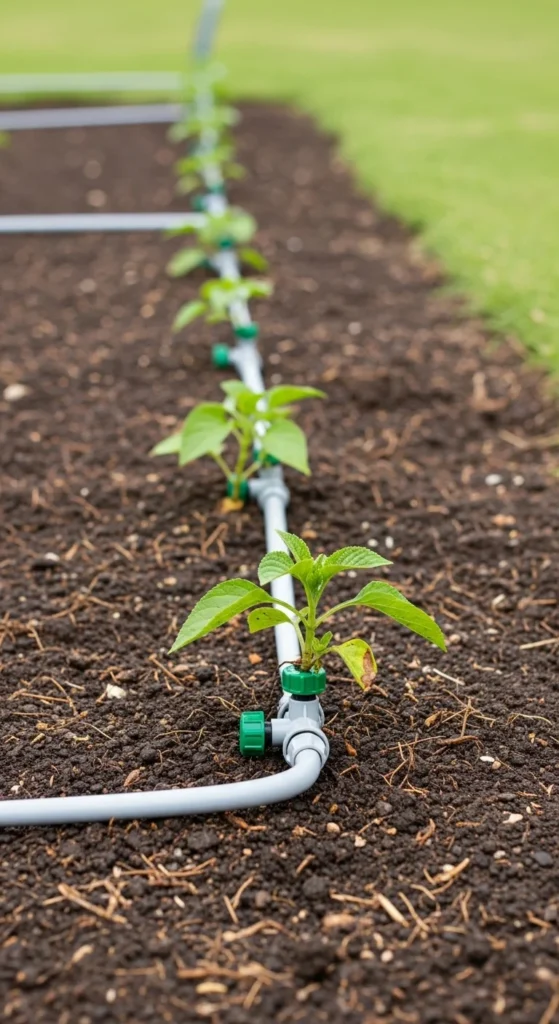
Automated drip irrigation delivers steady moisture directly to plant roots, which helps reduce water waste and daily watering tasks.
This system works especially well in Australia because it supports plant health during hot summers when soil dries out quickly.
Drip lines supply slow, targeted hydration that prevents evaporation and keeps plants strong without soaking the entire garden surface.
Once installed, the system requires almost no attention, making it ideal for homeowners who want reliable watering without added effort.
Automated watering also improves soil structure by avoiding puddles and runoff that stress many plants in dry climates.
This approach strengthens your low maintenance Australian garden by providing dependable care without demanding your time every day.
9. Create a Courtyard Oasis with Low-Maintenance Pots
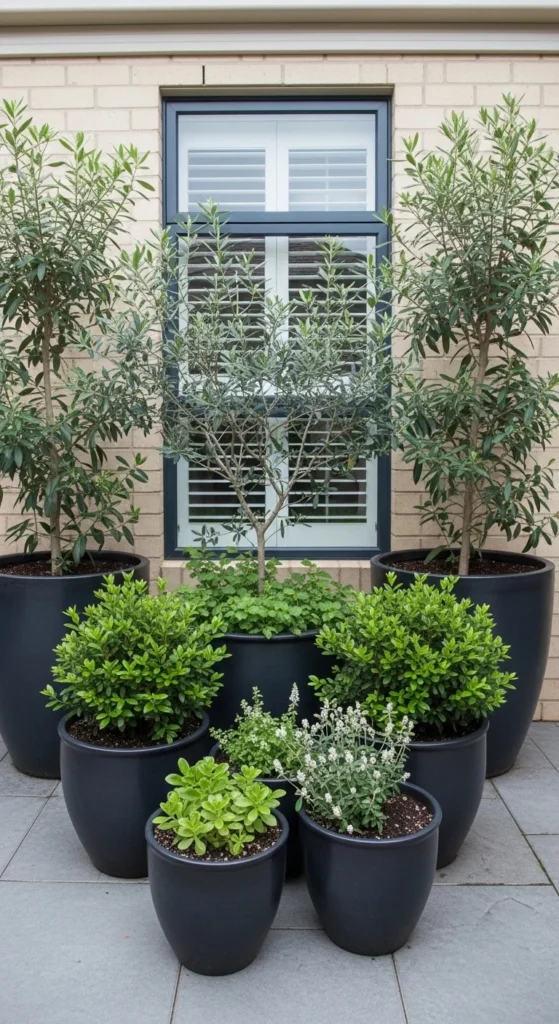
Potted plants allow you to design a flexible courtyard oasis that stays tidy and organized with very little ongoing work.
Large pots reduce evaporation, improve drainage, and keep plants contained in a stable environment that requires minimal seasonal adjustments.
You can grow hardy natives, succulents, or compact shrubs that thrive in containers while adding texture and colour to the courtyard.
This method makes it easier to control soil quality, water levels, and plant health without dealing with ground-level challenges.
Grouped pots can form a focal point, soften edges, or bring greenery into narrow areas that cannot support traditional beds.
A courtyard oasis contributes to your low maintenance Australian garden by delivering beauty and function without increasing weekly chores.
10. Add a Shade Garden Using Tough Native Ferns
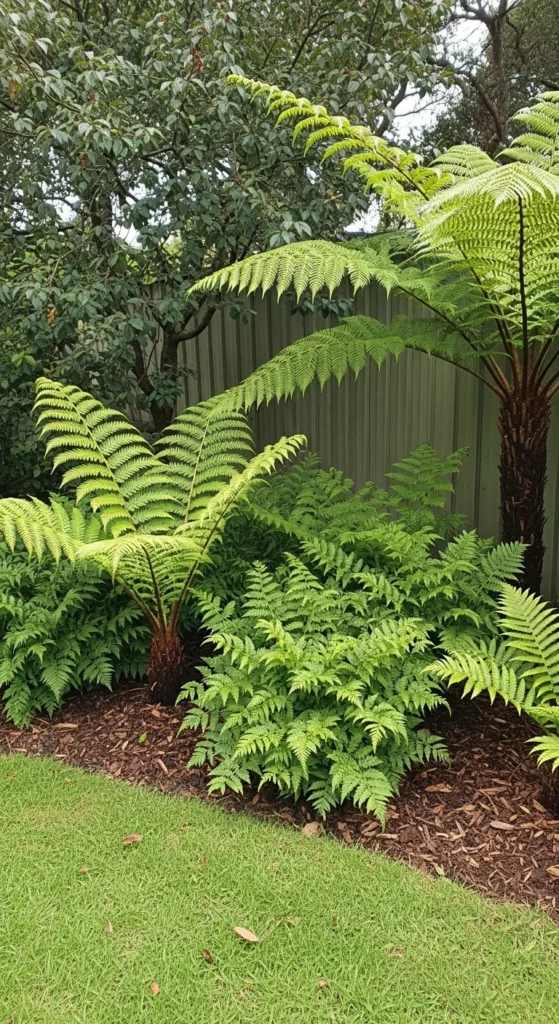
A shade garden filled with tough native ferns gives your outdoor space a cool and refreshing atmosphere throughout the year.
Species like the bird’s nest fern, maidenhair fern, and kangaroo fern adapt well to low light and require minimal watering.
These plants thrive beneath trees, beside fences, or in shaded corners where most sun-loving species struggle to maintain healthy growth.
Ferns keep their lush appearance with very little attention because they tolerate humidity changes and resist common garden pests.
Adding mulch beneath the ferns helps retain moisture and enhances the soothing, natural look of the shaded area.
A shade garden supports your low maintenance Australian garden by bringing greenery to difficult zones without creating extra work.
11. Keep a Groundcover Layer for Natural Weed Control
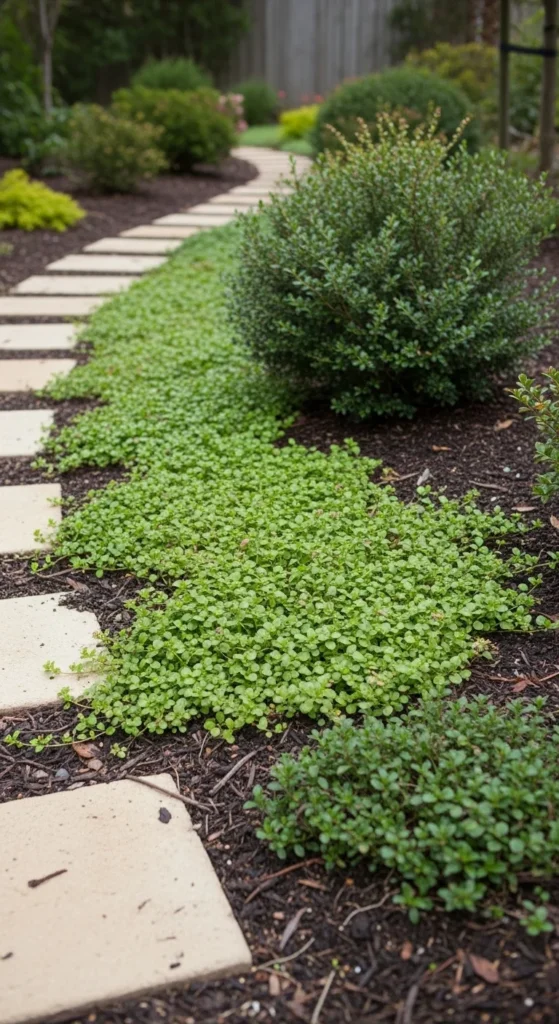
Groundcovers create a natural barrier that limits weed growth and keeps your garden looking tidy with minimal maintenance.
Varieties like native violet, creeping boobialla, and myoporum spread steadily across the soil without needing frequent trimming or shaping.
These low-growing plants help regulate soil temperature, reduce evaporation, and protect delicate roots from harsh sunlight and extreme heat.
Adding groundcovers between stepping stones, along pathways, or around shrubs provides texture and cohesion throughout your garden.
They also help stabilize soil in sloped areas where erosion becomes a problem during heavy rainfall events.
Groundcovers strengthen the structure of a low maintenance Australian garden by reducing work and improving overall plant health.
12. Use Decorative Pebbles as a No-Fuss Alternative to Grass
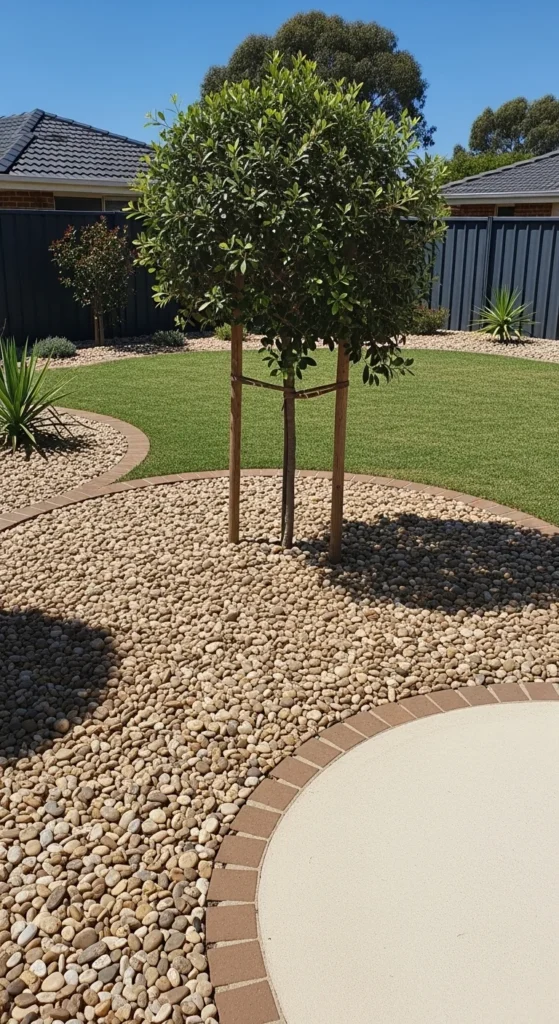
Decorative pebbles offer a stylish and practical alternative to grass because they require no mowing, watering, or fertilizing.
Australia’s warm climate makes pebble areas extremely efficient because they handle sunlight and heat without losing their visual appeal.
Pebbles come in various colours and sizes, allowing you to create patterns that complement modern, coastal, or rustic garden styles.
They work well around trees, pathways, and patio edges where grass struggles to grow consistently throughout the year.
Pebbles also improve drainage and prevent muddy patches that often appear after rainfall in traditional lawn spaces.
This no-fuss design aligns perfectly with a low maintenance Australian garden because it reduces ongoing effort while maintaining a clean look.
13. Build a Wildlife-Friendly Garden Using Minimal-Care Plants
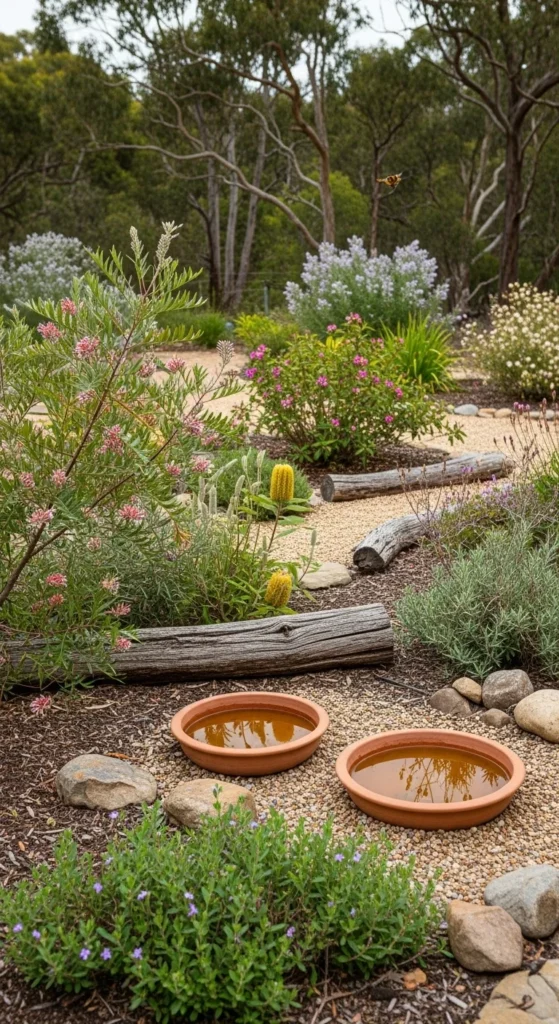
A wildlife-friendly garden attracts native birds, bees, and butterflies while requiring very little attention from you.
Plant flowering natives like grevillea, banksia, and callistemon that provide nectar, seeds, and shelter for local fauna.
These plants survive in Australian climates without frequent watering or pruning, making them ideal for low maintenance outdoor spaces.
Adding a few logs, small rocks, or shallow water dishes encourages wildlife activity without creating extra work.
Such gardens support biodiversity while enhancing the natural beauty and tranquility of your backyard environment.
A wildlife-friendly garden perfectly complements a low maintenance Australian garden by combining ecological benefits with effortless upkeep.
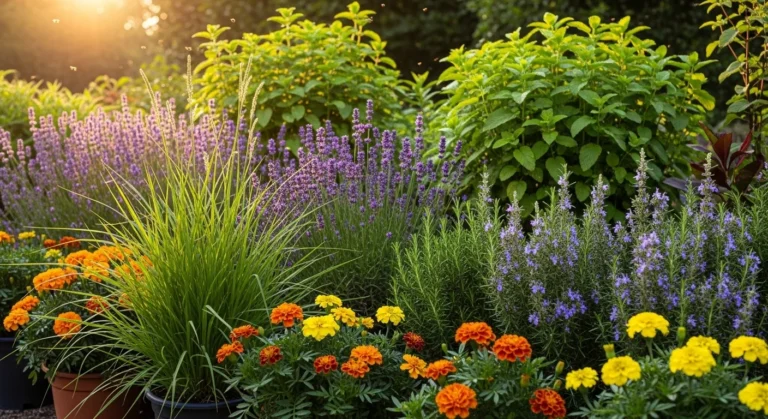
14. Grow Low Maintenance Herbs in a Sunny Corner
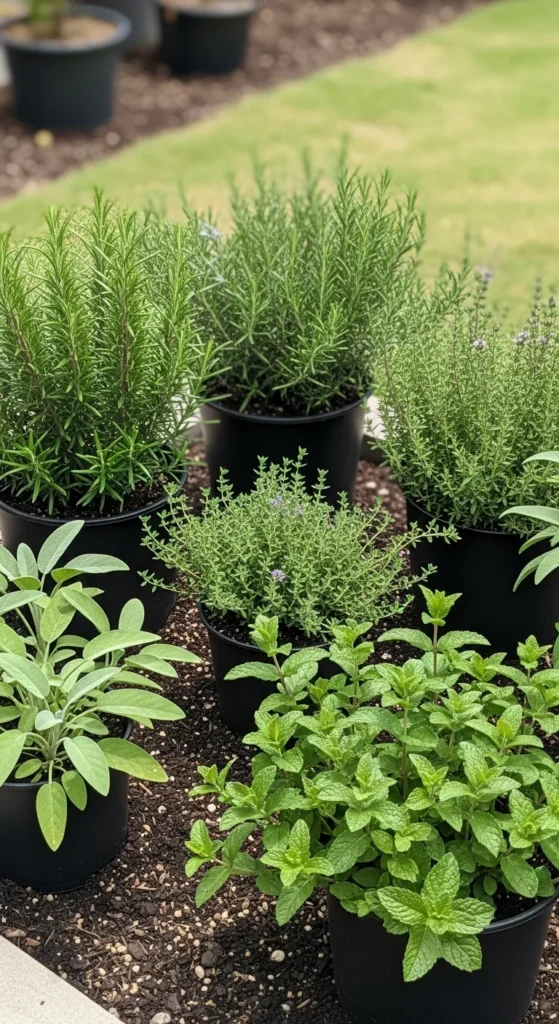
A sunny herb garden provides fresh, aromatic plants while requiring minimal effort once established.
Herbs like rosemary, thyme, sage, and native mint are highly drought-tolerant and thrive in full sun conditions.
Planting them in raised beds or pots improves soil drainage, prevents root rot, and simplifies harvesting.
These herbs need occasional watering and trimming but maintain their strength and flavour with very little intervention.
A small herb corner adds both practical and aesthetic value to your backyard without increasing weekly maintenance tasks.
It also complements your low maintenance Australian garden by combining beauty, function, and low-effort greenery.
15. Add Rustic Timber Features for a Natural Aesthetic
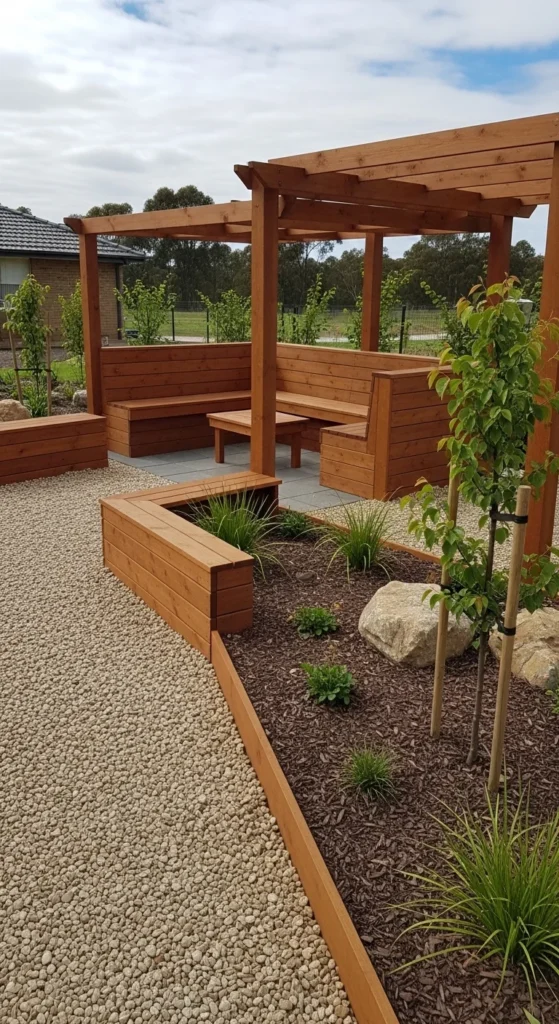
Timber features such as benches, pergolas, and garden edging bring warmth and structure to outdoor spaces with minimal upkeep.
Hardwood or treated timber withstands harsh weather conditions, ensuring long-lasting durability while requiring occasional sealing or staining.
These elements integrate beautifully with native plants, gravel beds, and rocks, creating a cohesive low maintenance design.
Timber structures also provide shade, seating, and vertical interest without adding constant gardening tasks.
Their natural appearance strengthens the rustic charm of your backyard while enhancing the overall low maintenance Australian garden theme.
16. Create a Bushland Style Garden with Layered Planting
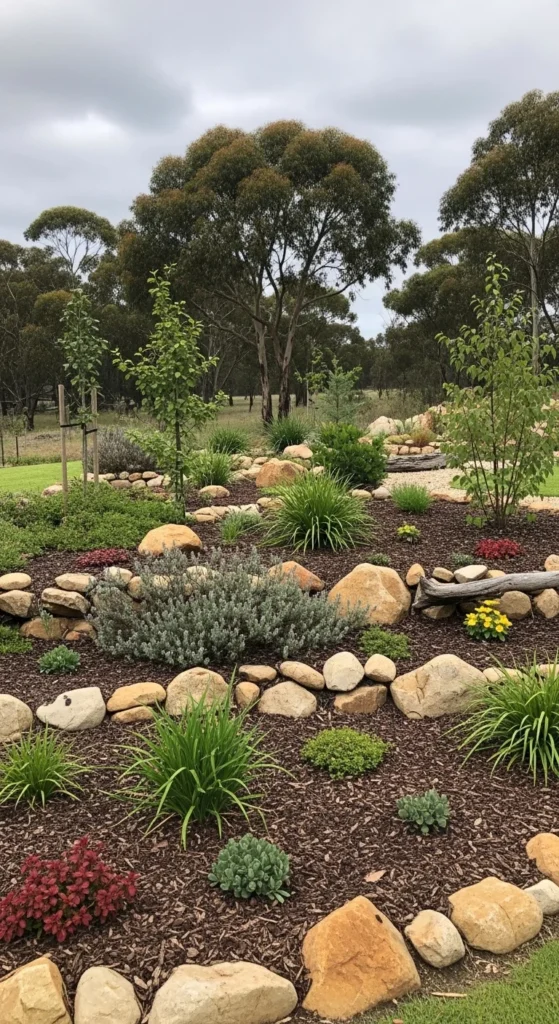
A bushland-style garden replicates the natural Australian landscape using layers of hardy plants and shrubs.
Mix low-growing groundcovers, medium shrubs, and taller trees to form a self-sustaining garden that looks natural and vibrant year-round.
This layered approach reduces weeding, watering, and trimming by allowing plants to coexist and support each other organically.
Adding mulch, rocks, and fallen branches enhances soil health while keeping the garden visually appealing with minimal effort.
A bushland-style garden perfectly aligns with the low maintenance Australian garden ethos by combining natural beauty with easy care.
17. Use Metal or Stone Edging to Keep Garden Shapes Clean
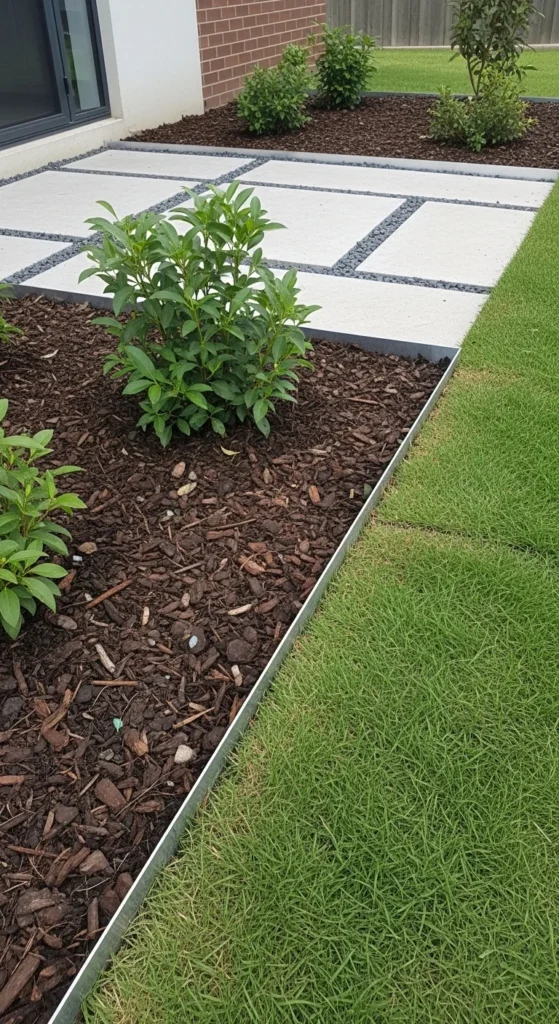
Metal or stone edging defines garden beds, pathways, and lawns while preventing soil and mulch from spilling over.
It eliminates the need for constant trimming and helps maintain tidy, structured outdoor spaces with minimal effort.
These materials are long-lasting, require almost no maintenance, and complement both modern and rustic garden designs.
Edging also improves water efficiency by keeping mulch and soil contained around plant roots.
By installing defined boundaries, your low maintenance Australian garden stays organised and visually appealing with very little ongoing work.
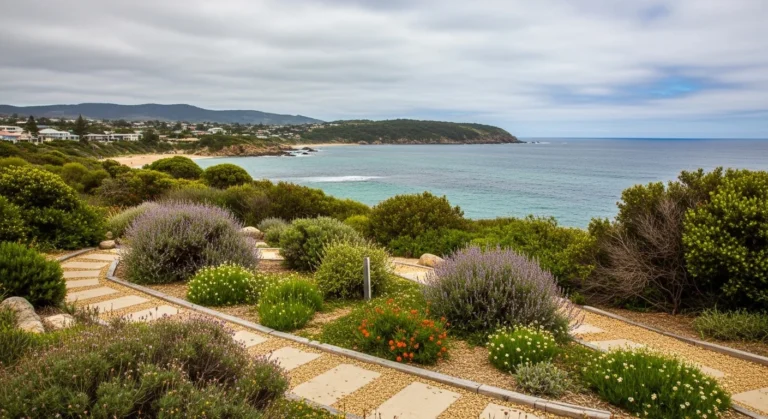
18. Design a Low-Care Pathway with Stepping Stones
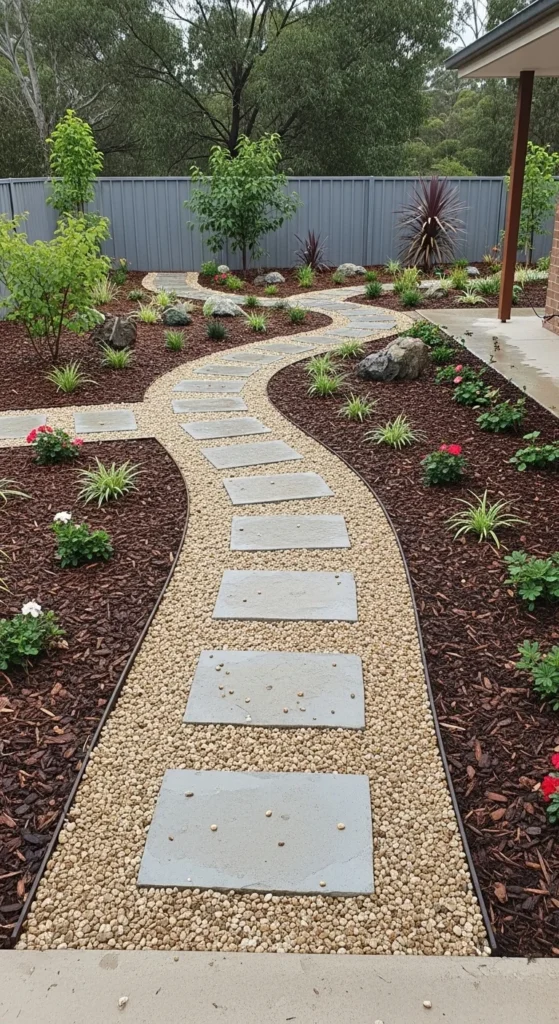
Stepping stone pathways provide access through your garden without disturbing plants or compacting soil.
Using gravel or mulch between stones further reduces weed growth and keeps surfaces dry during wet seasons.
Pathways allow you to create visual flow and guide visitors while maintaining a neat, functional outdoor space.
Stepping stones require minimal cleaning and blend naturally with surrounding native plants and garden features.
This design enhances the practicality and charm of your low maintenance Australian garden while keeping maintenance demands low.
19. Include a Simple Water Element That Requires Minimal Upkeep
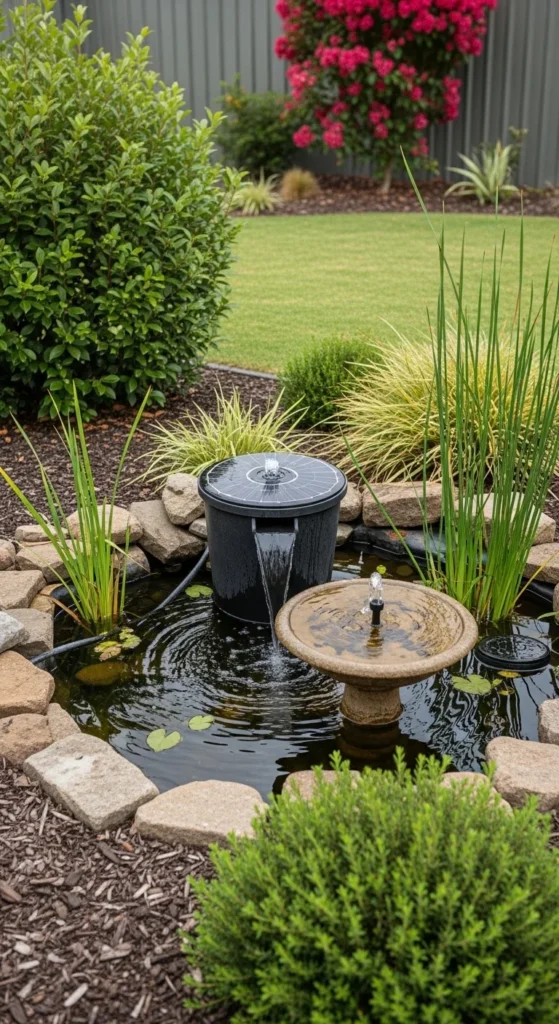
A small water feature like a pond, fountain, or birdbath adds movement and sound without adding high maintenance tasks.
Choose solar-powered or recirculating systems that need occasional refilling and minimal cleaning to function efficiently.
Positioning it near native plants or shrubs encourages wildlife while maintaining a visually balanced garden layout.
Water features also create a calming atmosphere and enhance the sensory appeal of your outdoor space.
By selecting a low-effort design, your low maintenance Australian garden gains elegance and functionality without increasing workload.
Final Wrap-Up
Creating a low maintenance Australian garden combines beauty, sustainability, and practicality for modern homeowners seeking effortless outdoor enjoyment.
By choosing hardy natives, drought-tolerant plants, and smart landscaping techniques, you can design a garden that thrives naturally with minimal intervention.
Incorporating features like gravel beds, rock gardens, mulch layers, and stepping stone pathways enhances functionality while reducing the need for ongoing care.
Adding wildlife-friendly elements, herbs, and small water features enriches the garden environment without increasing maintenance demands.
By implementing these nineteen ideas, you can enjoy a stunning, resilient, and easy-care Australian garden that remains vibrant and inviting all year round.