13 Modern Australian Garden Ideas for a Stylish and Low-Maintenance Outdoor Space
Modern outdoor landscaping in Australia focuses on simplicity, sustainability, and comfortable outdoor living that complements both the climate and contemporary home architecture.
A thoughtfully planned modern Australian garden blends natural textures, native plants, and structured layouts to create a relaxing outdoor environment that remains practical year-round.
Many homeowners now prefer contemporary Australian landscaping styles that prioritize drought-tolerant plants, minimal maintenance, and visually balanced outdoor spaces.
Designers often combine native plant gardens, minimalist backyard layouts, and sustainable landscaping techniques to achieve a natural yet modern outdoor aesthetic.
These gardens celebrate Australia’s unique environment while offering homeowners a stylish space for relaxation, gatherings, and everyday outdoor enjoyment.
Whether designed for compact courtyards or spacious suburban backyards, modern Australian gardens emphasize harmony between architecture, landscape, and natural surroundings.
Why Modern Australian Garden Design Works So Well for Contemporary Homes
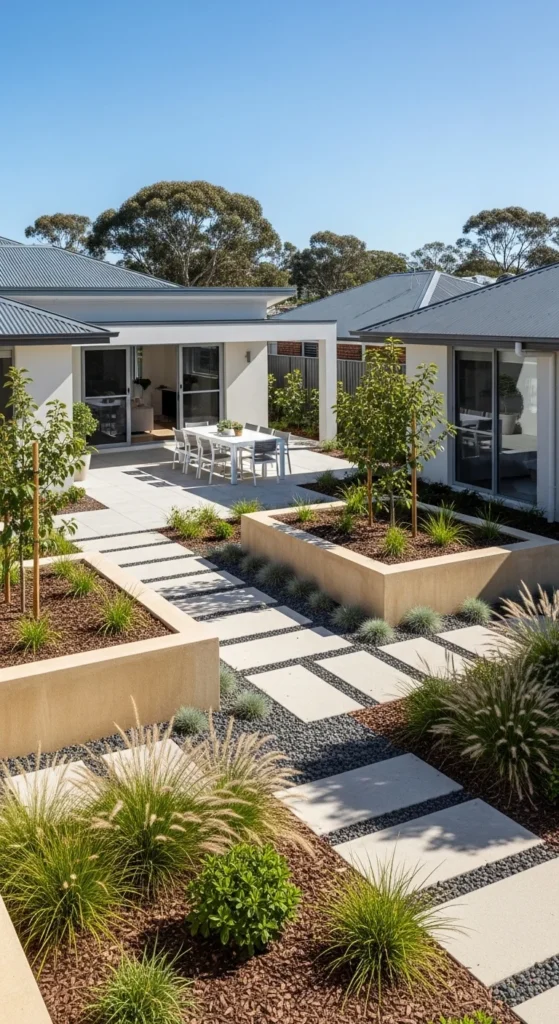
Modern homes increasingly favor outdoor areas that feel like natural extensions of indoor living spaces while remaining visually simple and easy to maintain.
A modern Australian garden supports this lifestyle by combining functional layouts with plants and materials suited to warm climates.
Open pathways, layered planting, and defined outdoor zones help create comfortable environments for relaxing, entertaining guests, or enjoying quiet outdoor moments.
Many contemporary homeowners appreciate landscapes that require minimal watering while still providing greenery, texture, and seasonal visual interest.
Native plants and hardy ornamental grasses make these gardens resilient while supporting biodiversity and attracting beneficial wildlife to the outdoor environment.
The result is an outdoor space that feels calm, organized, and connected with the surrounding natural landscape.
Essential Elements That Define a Modern Australian Garden
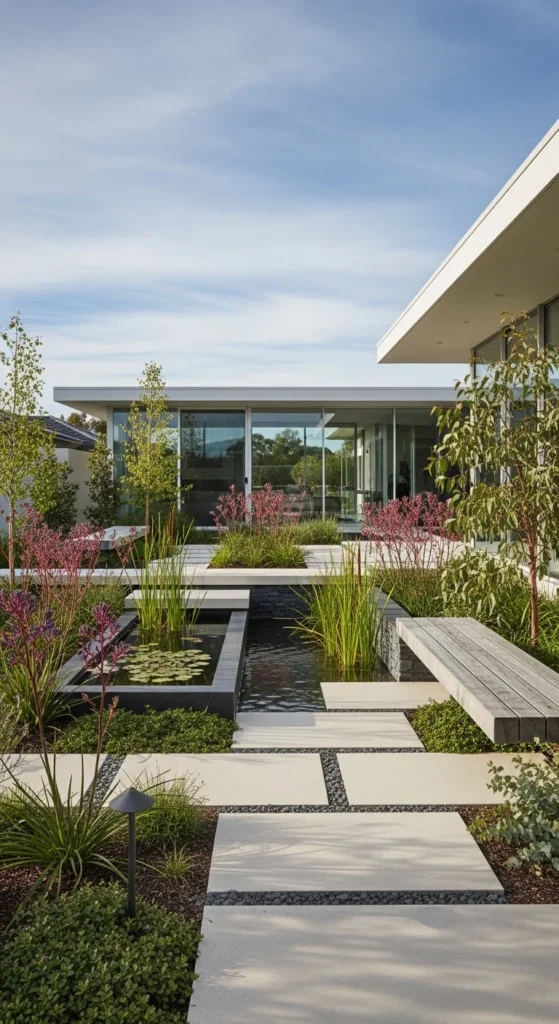
Several key elements consistently appear in well-designed modern Australian garden landscapes across Australia’s diverse climate regions.
Clean lines and simple geometry often guide the layout, creating visually structured outdoor spaces that feel modern yet relaxed.
Designers frequently incorporate natural materials such as stone, gravel, timber decking, and concrete pavers to enhance texture and durability.
Layered planting arrangements combine shrubs, grasses, and native plants to create depth without overwhelming the overall minimalist design.
Strategically placed seating areas and pathways encourage movement through the garden while allowing visitors to experience different views.
Carefully chosen lighting and subtle garden features further highlight textures and plants while maintaining a calm and uncluttered atmosphere.
1. Native Plant Focused Modern Australian Garden
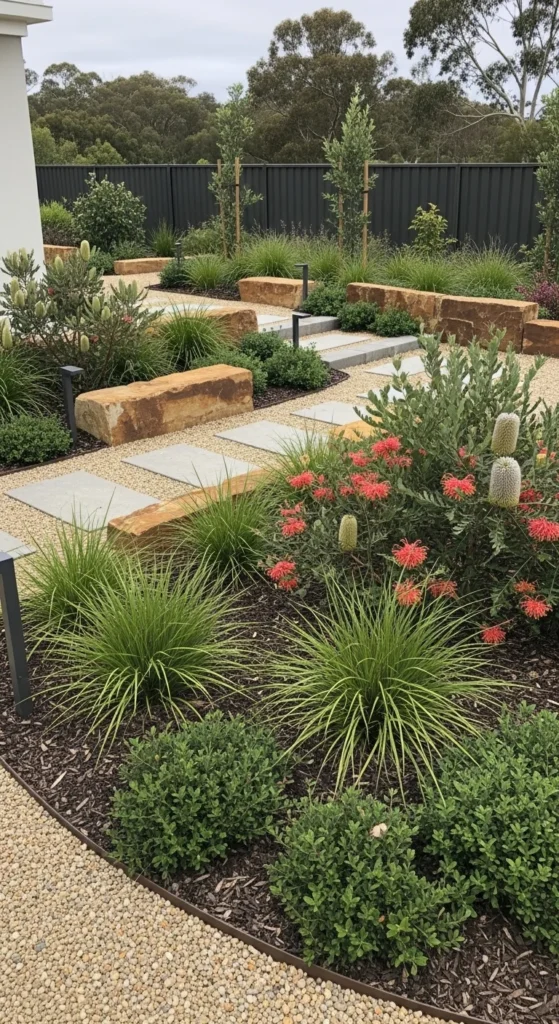
Using native plants creates one of the most authentic and sustainable approaches to designing a beautiful modern Australian garden.
Australian native plants naturally adapt to local climates, making them more resilient during dry seasons while requiring significantly less irrigation and maintenance.
Popular options such as banksia, grevillea, and kangaroo grass provide structure, seasonal color, and texture within a contemporary garden layout.
These plants also attract birds, butterflies, and beneficial insects that support a healthy outdoor ecosystem.
Designers often arrange native plants in layered groups that highlight natural forms while maintaining the clean aesthetic associated with modern landscaping.
Combining gravel paths, natural stone features, and subtle outdoor lighting further enhances the beauty of native plant-focused garden spaces.
2. Minimalist Gravel Garden with Sculptural Plants
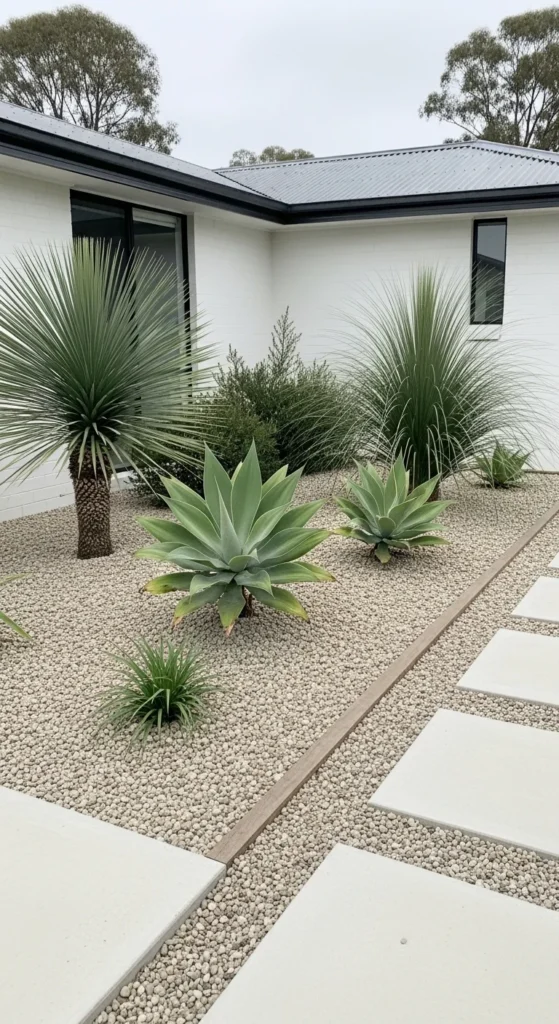
A minimalist gravel garden introduces texture and visual simplicity while supporting the clean design style found in a modern Australian garden.
Gravel surfaces reduce water consumption and maintenance while allowing rainwater to drain naturally into the soil beneath.
Sculptural plants such as grass trees, agave, or architectural succulents create striking focal points against the neutral gravel background.
Carefully spaced plant groupings ensure that each element receives visual attention without overwhelming the overall garden design.
Concrete stepping stones or simple timber borders can add structure while maintaining the minimalist character of the outdoor space.
This style works particularly well for dry climates where low-water landscaping provides both environmental and practical advantages.
3. Modern Australian Garden with Outdoor Living Area
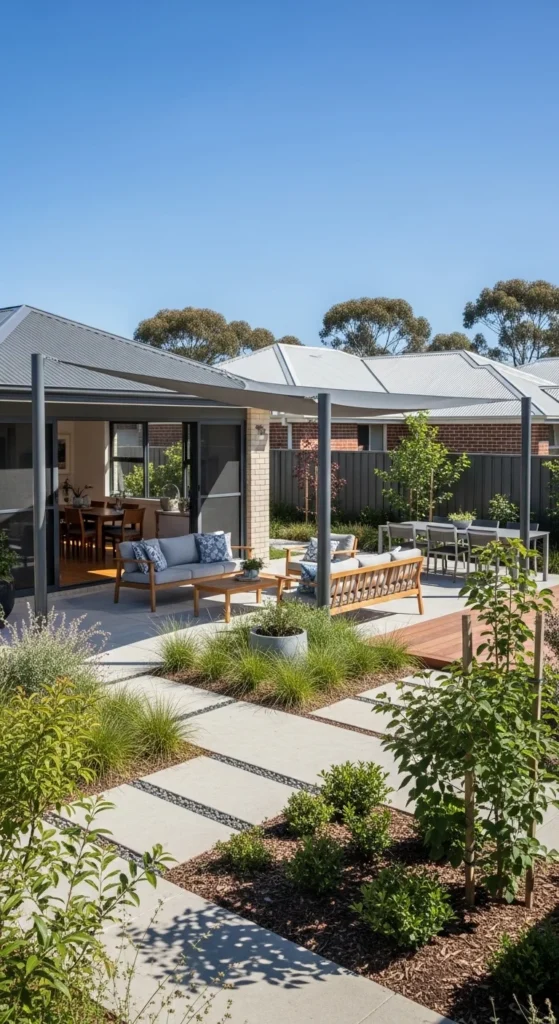
Outdoor living areas transform a modern Australian garden into an extension of the home where people can relax, dine, and socialize comfortably.
Many homeowners design patios or timber decks that blend seamlessly with surrounding garden beds and natural landscaping features.
Comfortable seating, shade structures, and simple outdoor furniture create a welcoming space that encourages daily outdoor enjoyment.
Surrounding the seating area with native grasses, shrubs, and textured plants softens hard surfaces while maintaining a natural appearance.
Strategically placed pathways connect the living area to other garden sections, encouraging movement and exploration throughout the landscape.
This design approach balances functional outdoor living with the calm beauty associated with modern garden aesthetics.
4. Contemporary Courtyard Modern Australian Garden
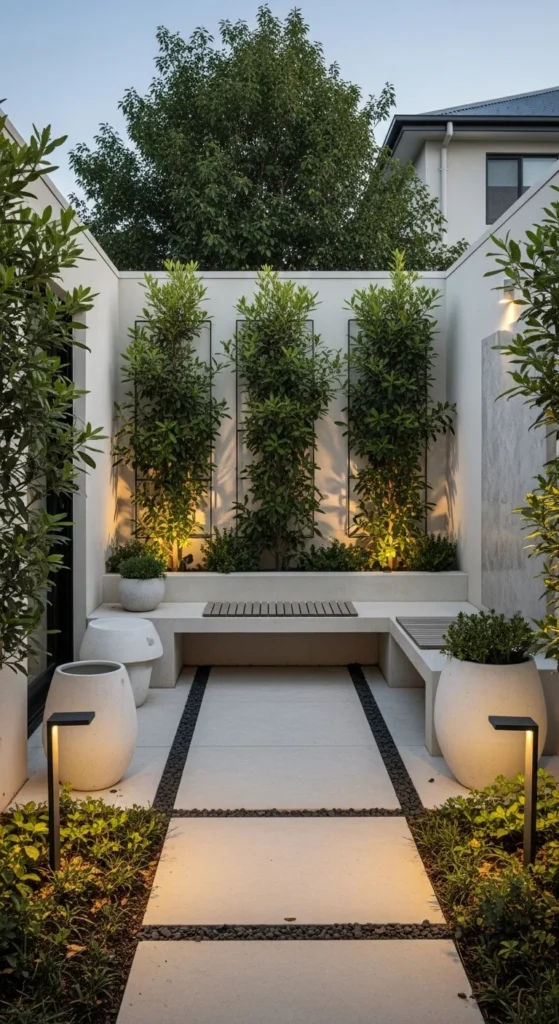
Courtyard spaces offer excellent opportunities to create a compact yet stylish modern Australian garden within limited outdoor areas.
Simple paving patterns combined with raised garden beds help define structure while maximizing the available space.
Tall plants or vertical greenery can add privacy while creating a lush backdrop that enhances the courtyard atmosphere.
Minimalist seating, sculptural pots, and textured walls contribute to the modern design without making the space feel crowded.
Soft outdoor lighting highlights plants and pathways, transforming the courtyard into a relaxing evening retreat.
Even small courtyards can feel spacious and elegant when thoughtful design principles guide plant selection and layout.
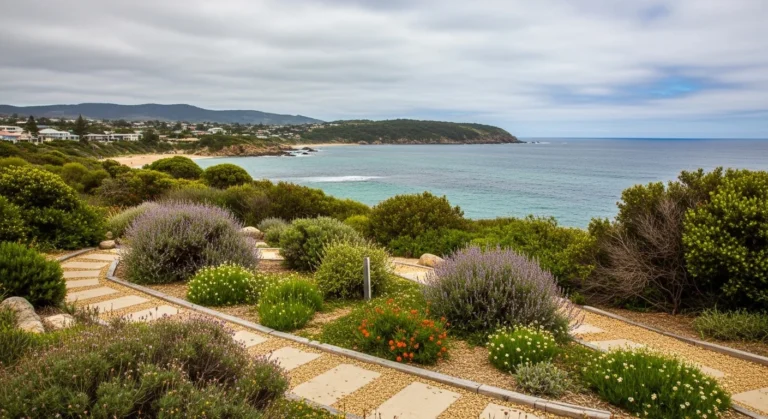
5. Low-Maintenance Coastal Style Modern Australian Garden
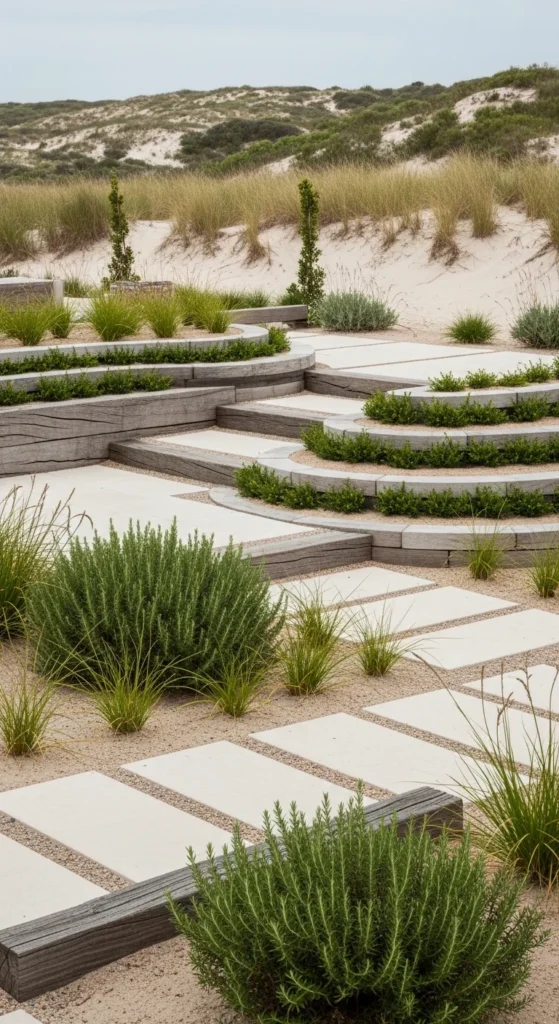
Coastal landscapes inspire many modern Australian garden designs, particularly in regions where sandy soils and ocean breezes influence plant selection.
Drought-tolerant coastal plants such as lomandra, pigface, and coastal rosemary thrive in these conditions while providing attractive foliage.
Designers often incorporate pale stone pathways, weathered timber features, and sandy textures that reflect nearby coastal environments.
Layered grasses and low-growing shrubs create gentle movement in the garden while maintaining a relaxed and natural atmosphere.
Minimal irrigation requirements make coastal-style gardens especially appealing for homeowners seeking beautiful yet low-maintenance outdoor spaces.
The result is a landscape that feels calm, airy, and perfectly suited to Australia’s coastal climate.
6. Layered Planting Modern Australian Garden Design
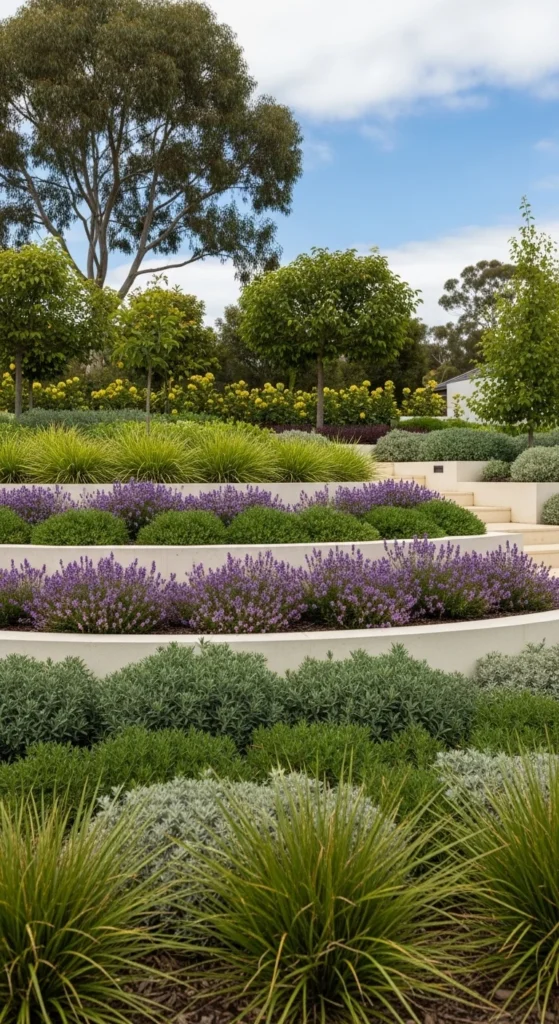
Layered planting creates depth and visual interest while maintaining the calm, organized appearance typical of a modern Australian garden.
This approach arranges plants at different heights, combining ground covers, mid-sized shrubs, and taller feature plants within the same landscape area.
Native grasses, flowering shrubs, and sculptural trees work together to create natural structure without overwhelming the overall garden design.
Carefully spaced layers allow sunlight to reach lower plants while ensuring every element contributes to the garden’s balanced composition.
Designers often repeat plant varieties throughout the garden to maintain visual consistency and strengthen the modern landscape style.
Layered planting also improves biodiversity by providing habitats for birds and beneficial insects within a thoughtfully designed outdoor environment.
7. Modern Australian Garden with Stone Pathways
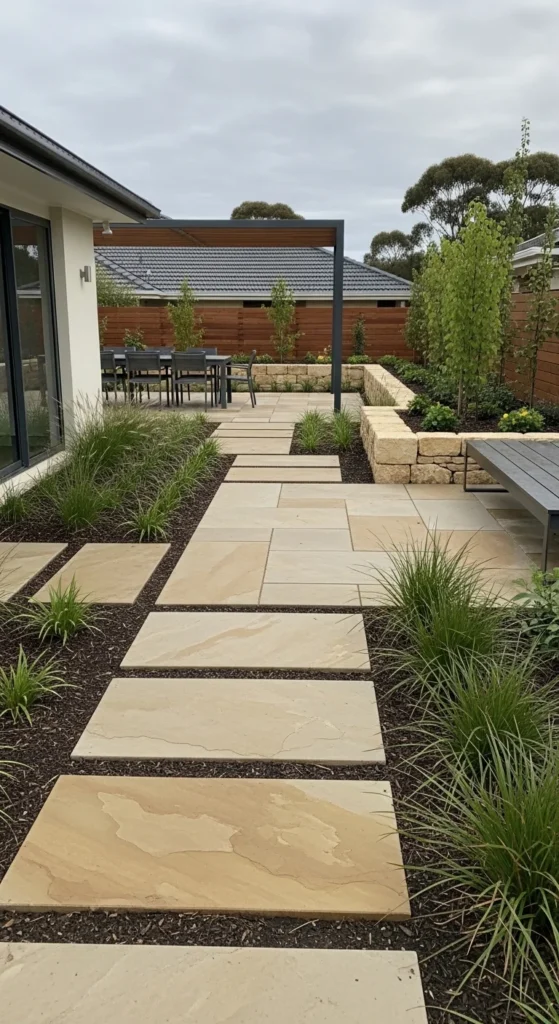
Stone pathways introduce structure and guide movement through a modern Australian garden while enhancing the natural character of the landscape.
Large stepping stones or natural stone slabs create visually appealing walkways that connect seating areas, garden beds, and outdoor living spaces.
These pathways help define the garden layout while encouraging visitors to explore different areas within the landscape.
Surrounding pathway edges with ornamental grasses or low native plants softens hard surfaces and maintains the relaxed garden atmosphere.
Natural stone colors blend beautifully with Australian landscapes, allowing the garden to feel connected with its surrounding environment.
Stone pathways also provide practical benefits by reducing soil compaction and keeping walkways clean during wet weather conditions.
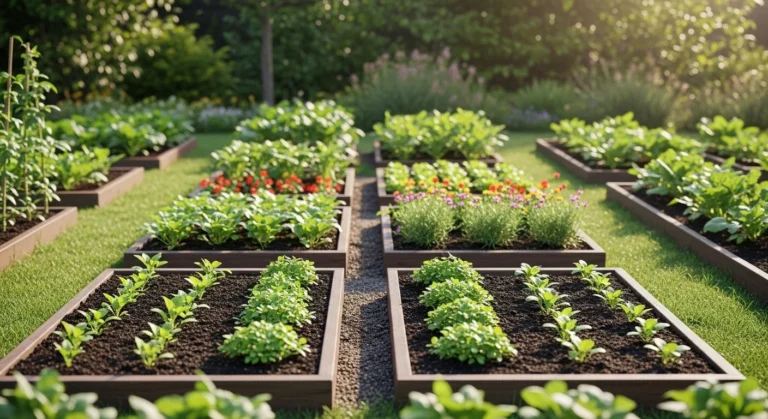
8. Raised Garden Beds in a Modern Australian Garden
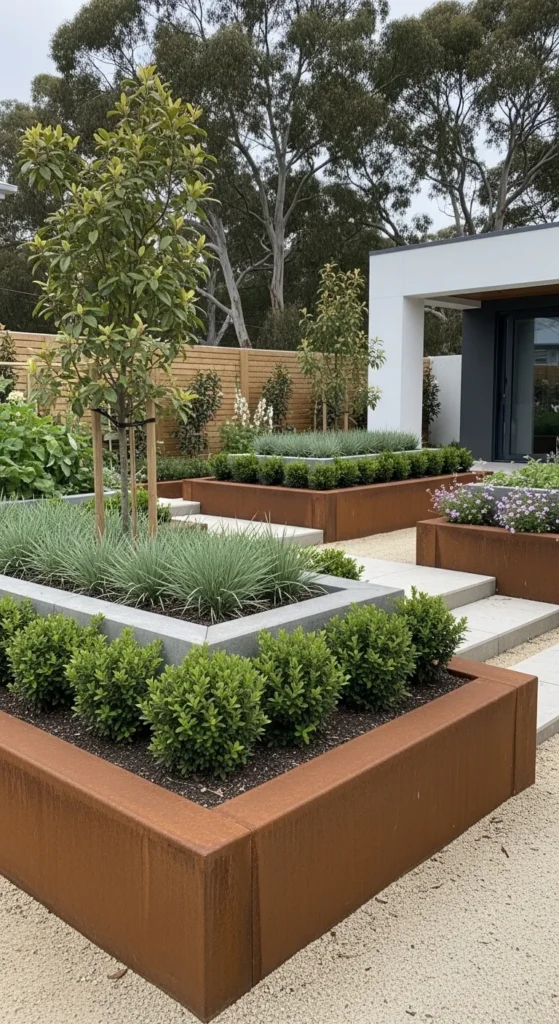
Raised garden beds provide structure and organization within a modern Australian garden, making planting areas easier to maintain and visually appealing.
Many designers use timber, corten steel, or concrete to construct beds that complement contemporary outdoor architecture.
Elevated planting areas improve soil quality and drainage while making gardening tasks more comfortable for homeowners.
Native shrubs, ornamental grasses, and flowering plants can be arranged in layers within the raised beds to create visual depth.
Raised beds also allow gardeners to experiment with different soil mixes that support plant growth in challenging conditions.
This structured planting approach enhances the garden’s modern appearance while making ongoing maintenance simpler and more efficient.
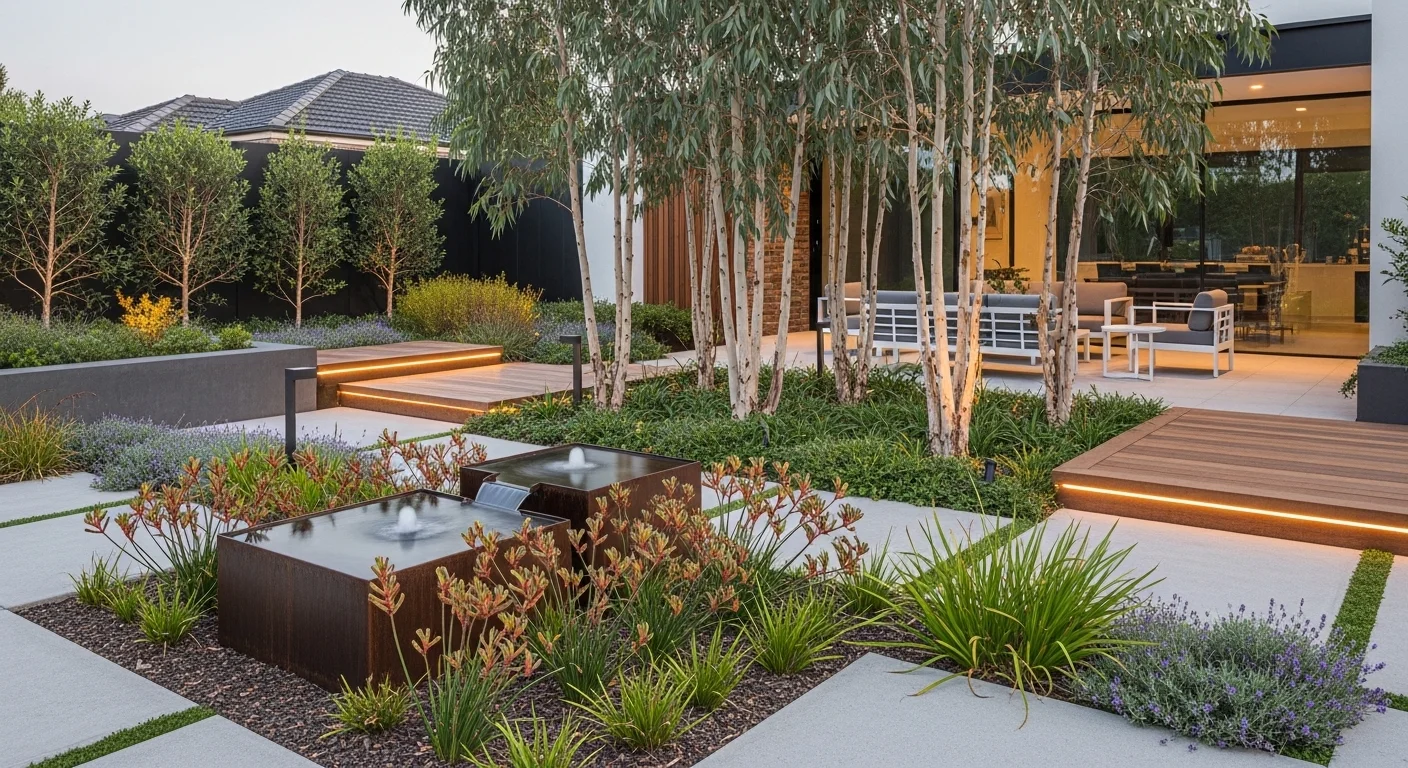
9. Modern Australian Garden with Water Feature
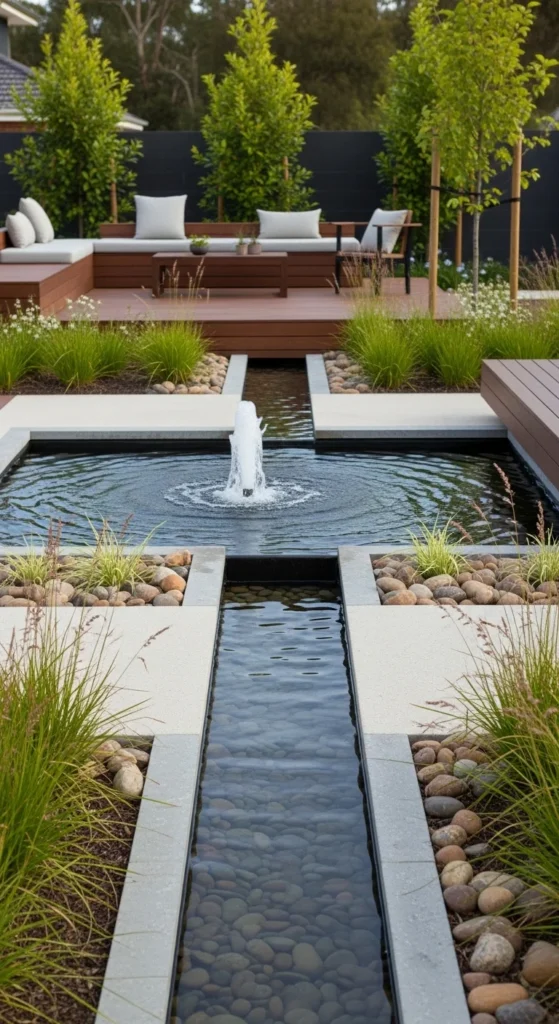
A water feature introduces movement and calming sound into a modern Australian garden, enhancing the peaceful atmosphere of the outdoor space.
Simple fountains, reflecting pools, or narrow water channels work particularly well within contemporary landscape designs.
The gentle sound of flowing water creates a relaxing environment that encourages people to spend more time outdoors.
Placing the feature near seating areas or pathways allows visitors to enjoy the visual and sensory benefits more fully.
Surrounding the water element with stones, native plants, or ornamental grasses helps integrate it naturally into the landscape.
Modern water features often use simple geometric shapes that match the clean lines commonly found in contemporary garden layouts.
10. Small Space Modern Australian Garden Design
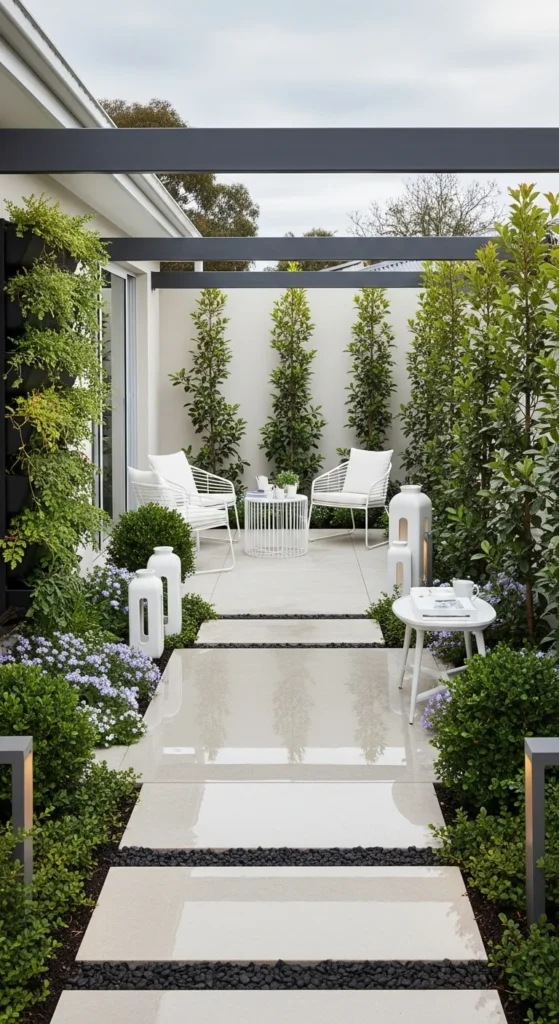
Even limited outdoor areas can become beautiful modern Australian garden spaces when thoughtful design strategies guide layout and plant selection.
Vertical gardens, slim garden beds, and compact plant varieties help maximize available space while maintaining visual balance.
Using light-colored paving, reflective surfaces, and open layouts can make small gardens appear larger and more inviting.
Tall plants placed along boundaries provide privacy while leaving central areas open for seating or movement.
Minimalist furniture and carefully chosen decorative elements prevent the garden from feeling crowded or cluttered.
With smart planning, small gardens can deliver the same relaxing atmosphere and contemporary style found in larger landscapes.
11. Modern Australian Garden with Timber Decking
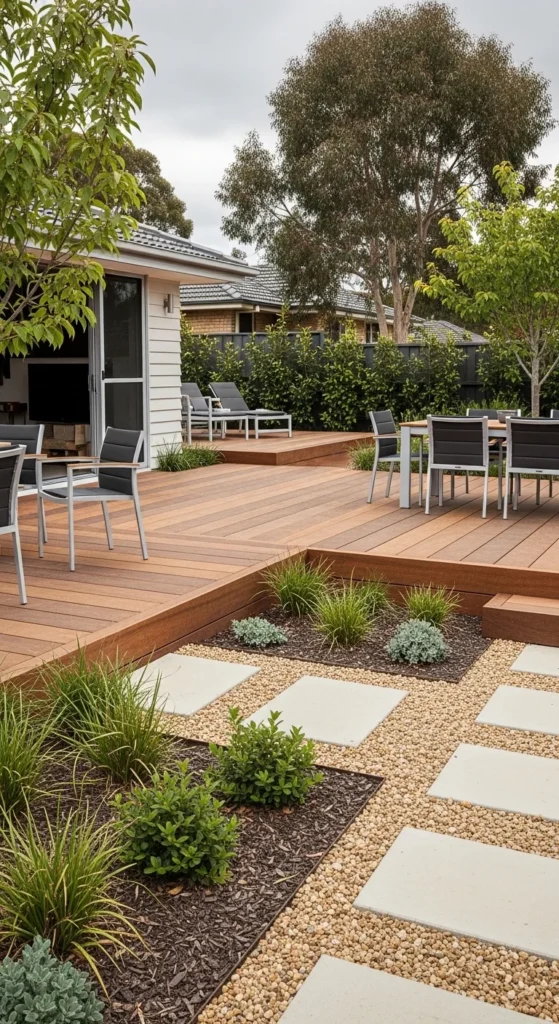
Timber decking introduces warmth and natural texture that complements the relaxed aesthetic of a modern Australian garden design.
Many homeowners use timber decks to create comfortable outdoor areas for seating, dining, or quiet relaxation throughout the year.
Natural wood tones blend beautifully with surrounding plants, gravel paths, and stone features commonly used in contemporary Australian landscapes.
Raised decking platforms can define outdoor living zones while improving drainage and creating visual separation between different garden sections.
Surrounding the deck with native grasses, shrubs, and low-maintenance plants softens the structure and enhances the natural atmosphere.
This design approach creates an inviting outdoor environment where modern architecture and natural landscaping work together harmoniously.
12. Wildlife Friendly Modern Australian Garden
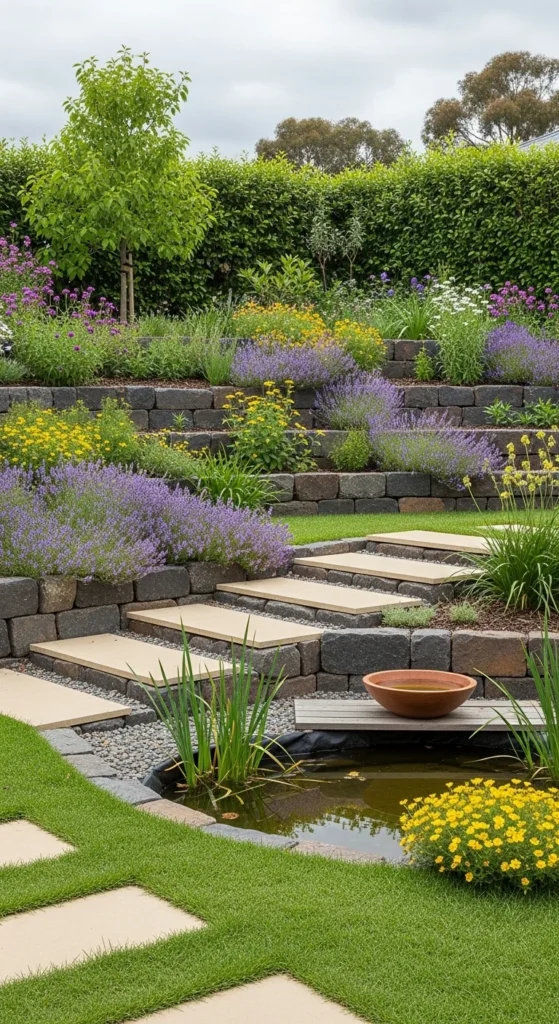
A wildlife friendly modern Australian garden supports biodiversity while maintaining the clean and structured appearance associated with contemporary landscaping.
Native flowering plants attract birds, butterflies, and pollinators that contribute to a healthy and vibrant outdoor ecosystem.
Layered planting areas provide shelter, nesting spaces, and natural food sources for various beneficial wildlife species.
Water bowls, small ponds, or shallow water features can offer safe drinking sources for birds and other garden visitors.
Avoiding chemical pesticides helps maintain ecological balance and protects the natural interactions between plants and wildlife.
A thoughtfully designed wildlife friendly garden allows homeowners to enjoy nature while supporting the surrounding environment.
13. Sustainable Drought-Tolerant Modern Australian Garden
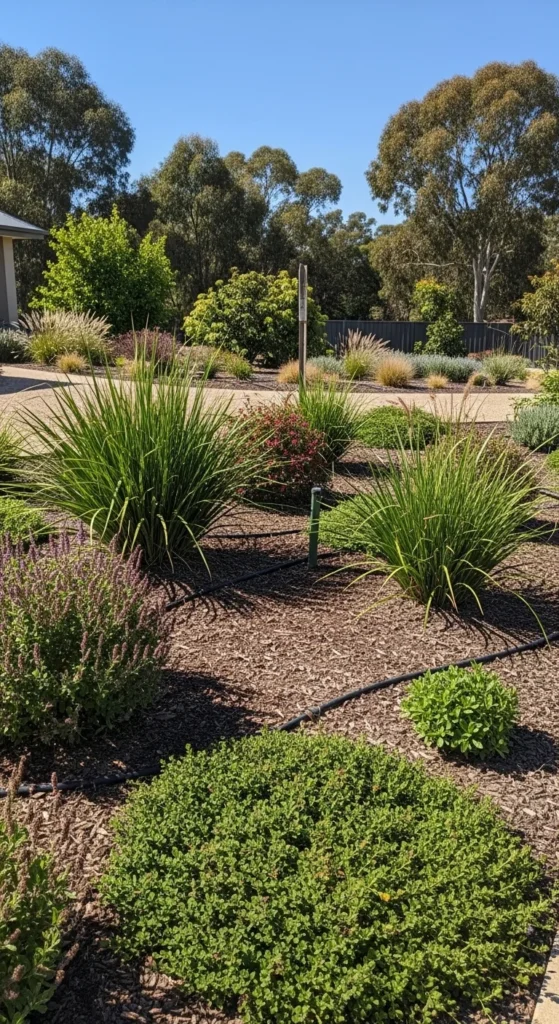
Sustainability plays a central role in designing a practical and environmentally responsible modern Australian garden.
Drought-tolerant plants reduce water consumption while maintaining a vibrant landscape even during extended dry periods.
Native grasses, hardy shrubs, and resilient ground covers adapt well to Australian climates and require minimal irrigation.
Mulching garden beds helps retain soil moisture while suppressing weeds and improving long-term soil health.
Efficient irrigation systems such as drip watering deliver moisture directly to plant roots while minimizing unnecessary water waste.
Combining sustainable planting choices with thoughtful design creates a garden that remains attractive while conserving valuable natural resources.
Smart Landscaping Tips for Maintaining a Modern Australian Garden
Maintaining a modern Australian garden becomes easier when homeowners focus on practical landscaping strategies suited to local climate conditions.
Applying organic mulch around plants helps conserve soil moisture while improving soil fertility and reducing weed growth.
Regular pruning keeps shrubs and ornamental grasses tidy while maintaining the structured appearance associated with contemporary gardens.
Efficient watering schedules ensure plants receive adequate moisture without encouraging unnecessary water consumption.
Selecting climate-adapted plants reduces maintenance demands while allowing the garden to thrive throughout seasonal weather changes.
Thoughtful maintenance habits keep outdoor spaces attractive while protecting the long-term health of plants and soil.
Common Design Mistakes to Avoid in a Modern Australian Garden
Some landscaping mistakes can reduce the visual harmony and practicality of a modern Australian garden design.
Overcrowding planting beds with too many plant varieties often creates clutter and disrupts the clean lines typical of modern landscapes.
Ignoring climate suitability may result in plants that struggle to survive or require excessive watering and maintenance.
Mixing too many decorative materials or styles can make the garden appear disorganized rather than calm and cohesive.
Failing to plan pathways and outdoor living areas carefully may limit functionality and reduce overall comfort within the garden space.
Avoiding these mistakes helps homeowners create outdoor environments that remain beautiful, balanced, and easy to maintain.
The Bottom Line
A thoughtfully designed modern Australian garden blends natural beauty, sustainability, and modern landscaping principles to create inviting outdoor environments.
Native plants, structured layouts, and durable materials help homeowners build gardens that thrive within Australia’s unique climate conditions.
Combining outdoor living areas, low-maintenance planting, and simple design elements results in landscapes that remain both stylish and practical.
These garden ideas demonstrate how thoughtful planning can transform any outdoor space into a relaxing and visually appealing retreat.
With the right balance of plants, materials, and design strategies, homeowners can create modern gardens that feel connected to nature while supporting everyday outdoor living.