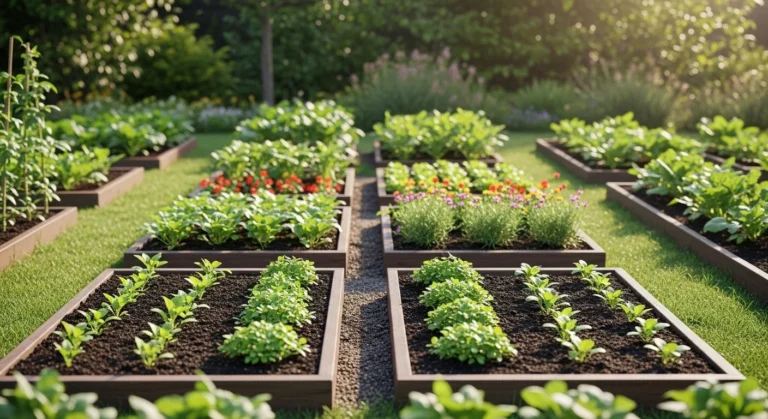
Why Are Insect Repelling Plants Important in Gardens
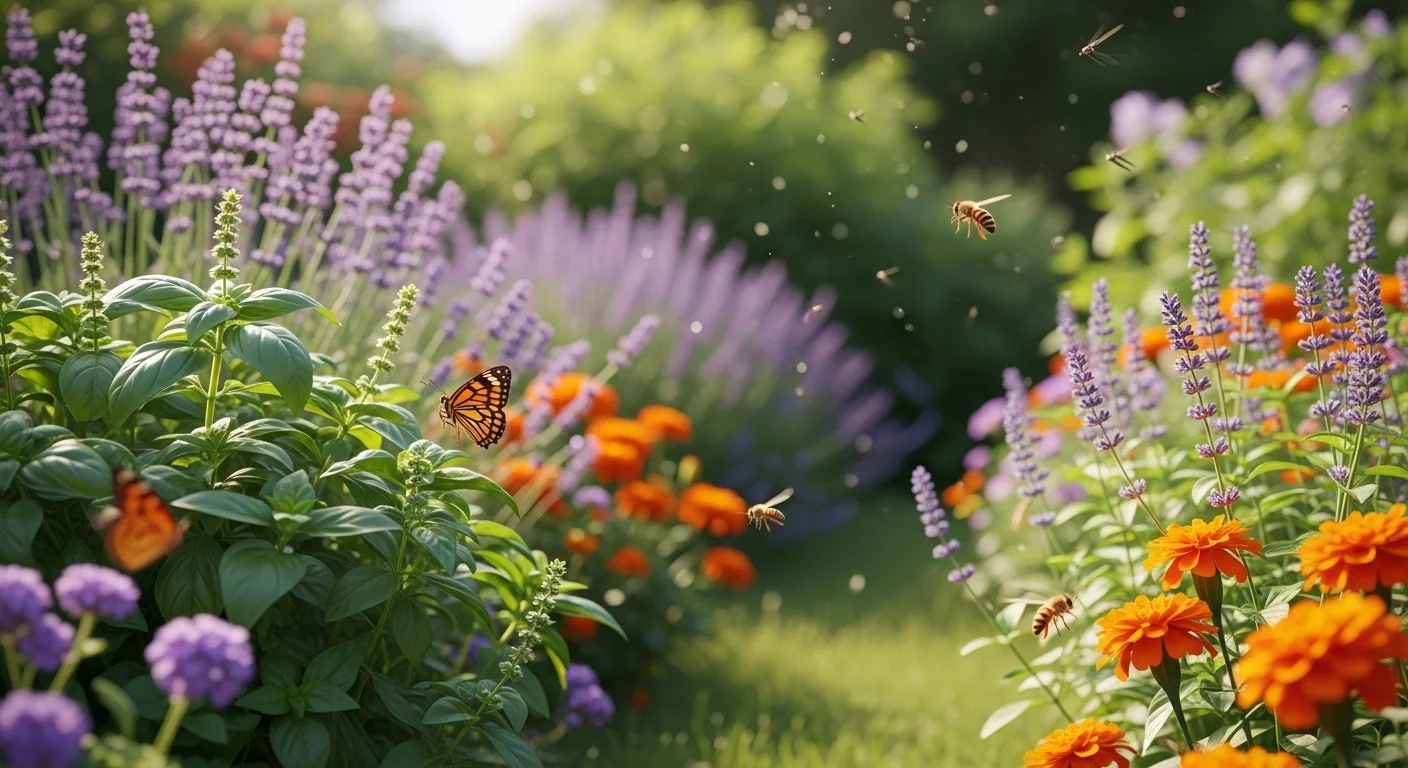
Insect-repelling plants are important in gardens because they naturally deter harmful pests through their chemical compounds and aromatic oils. They help protect plant health and support a balanced ecosystem by attracting beneficial insects like pollinators.
Gardens offer beauty, fresh air, and a connection to nature, but insects often disrupt their harmony and productivity.
Using insect-repelling plants provides a natural, eco-friendly way to protect your plants while minimizing chemical interventions.
These plants release natural compounds and aromatic oils that deter mosquitoes, aphids, and other harmful insects effectively.
In addition to pest control, many of these plants attract pollinators, which improves flower and fruit production throughout the garden.
Gardeners increasingly adopt this method for its dual benefits of environmental protection and reduced maintenance.
Understanding why these plants are essential helps create sustainable, healthy, and enjoyable outdoor spaces for both families and local wildlife.
The Environmental Benefits of Insect-Repelling Plants
Relying on chemical pesticides can harm beneficial insects, degrade soil quality, and pollute local waterways over time.
In contrast, insect-repelling plants create a natural barrier that discourages pests while preserving the health of your garden ecosystem.
These plants attract beneficial insects such as bees, butterflies, and ladybugs, which help pollinate flowers and control harmful insect populations.
By reducing pesticide usage, gardeners contribute to cleaner soil, healthier plants, and safer outdoor spaces for children and pets.
Integrating these plants supports biodiversity, enhances soil fertility, and ensures a balanced ecosystem, making it a sustainable gardening strategy.
How Insect-Repelling Plants Work Naturally
Many insect-repelling plants produce volatile oils or chemical compounds that interfere with pests’ senses and discourage their presence.
For example, compounds in catnip and lemon-scented plants repel mosquitoes and flies without harming pollinators or other beneficial insects.
Herbs like basil, rosemary, and mint release aromatic oils that confuse or repel pests, while simultaneously attracting helpful insects for pollination.
Planting a combination of species creates a multi-layered defense system that naturally reduces the risk of infestations in the garden.
Understanding these mechanisms empowers gardeners to design functional and sustainable landscapes without relying on synthetic chemicals or intensive labor.
Integrating Insect-Repelling Plants into Garden Design

Incorporating insect-repelling plants strategically enhances both garden functionality and aesthetic appeal.
Placing aromatic herbs and flowering plants near vegetable beds, patios, and pathways reduces pest activity in high-traffic areas.
Companion planting strengthens natural defenses, as certain species work together to repel insects while attracting pollinators for improved yield.
Garden layout, sun exposure, and seasonal rotation play critical roles in maximizing the effectiveness of these plants over time.
Using repelling plants as borders, hedges, or mixed flower beds creates visually pleasing designs while protecting your garden naturally.
Layering different plant types increases scent coverage, ensures year-round protection, and minimizes reliance on chemical pesticides, promoting a sustainable ecosystem.
Health and Safety Advantages
Reducing chemical pesticide use with insect-repelling plants significantly improves the safety of your outdoor spaces.
Children and pets can explore gardens freely without exposure to harmful sprays or residues that may irritate skin or lungs.
These plants help lower allergen exposure while maintaining a pleasant, aromatic environment that enhances the outdoor experience.
Natural repellents also support mental well-being by creating a tranquil, insect-free garden space without the stress of harmful chemicals.
In addition, they promote healthier soil and water systems by avoiding contamination that results from frequent chemical applications.
Overall, insect-repelling plants improve garden safety while contributing to a healthier lifestyle for all family members and visitors.
Long-Term Cost and Maintenance Benefits
Investing in insect-repelling plants reduces long-term expenses by lowering the need for chemical sprays and replacement plants.
These plants require minimal upkeep once established, saving time and effort on repetitive pest control measures.
They are drought-tolerant or hardy species that thrive in typical garden conditions, further reducing irrigation and maintenance costs.
By naturally managing pests, gardeners can protect high-value crops and ornamental plants without recurring chemical expenditures.
This sustainable approach ensures your garden remains vibrant and productive with less labor, fewer inputs, and ongoing financial savings.
Combining efficiency, aesthetics, and natural protection makes insect-repelling plants a smart, cost-effective investment for any garden.
Supporting Pollinators and Wildlife
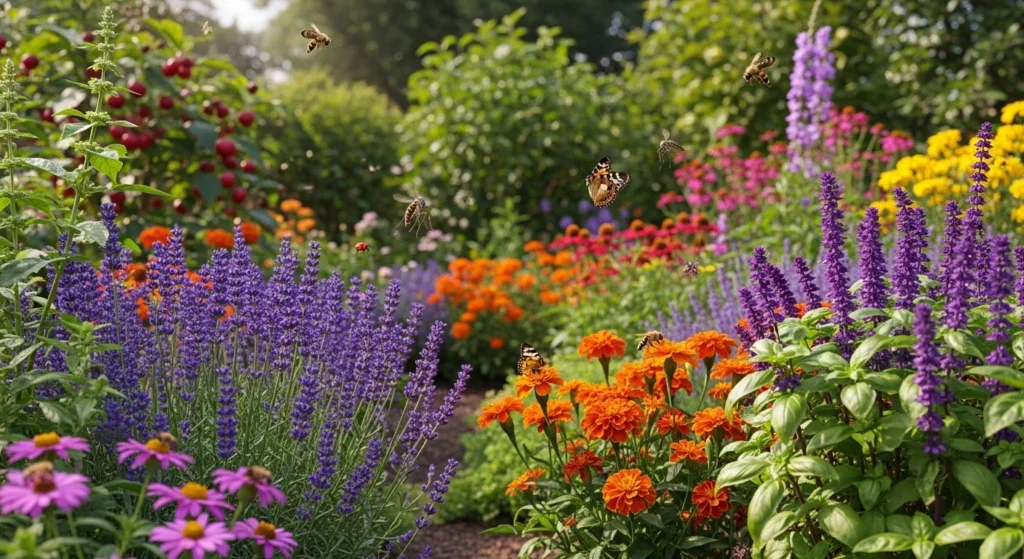
Insect-repelling plants play a vital role in sustaining beneficial insects like bees, butterflies, and ladybugs in your garden ecosystem.
These plants deter harmful pests without impacting pollinators, allowing flowers and fruiting plants to thrive naturally.
By providing nectar, pollen, and shelter, they support biodiversity while maintaining garden productivity and health.
Gardeners who integrate these plants contribute to local wildlife preservation, creating a balanced ecosystem that encourages natural pest control.
Supporting pollinators enhances flowering, fruiting, and seed production, ultimately improving the overall resilience and sustainability of outdoor spaces.
Using insect-repelling plants ensures your garden benefits both aesthetically and ecologically, combining pest control with environmental stewardship.
Common Misconceptions About Insect-Repelling Plants
Many people assume insect-repelling plants eliminate all pests completely, but they are meant to complement broader garden management strategies.
Their effectiveness depends on proper placement, combination with other species, and seasonal care to maintain strong natural defenses.
Some believe these plants require intensive maintenance, but most are hardy, low-maintenance species suitable for a variety of garden environments.
Gardeners also sometimes underestimate their aesthetic value, though many repelling plants offer flowers, texture, and fragrance that enhance outdoor spaces.
Understanding these realities helps gardeners set practical expectations and use insect-repelling plants effectively without disappointment or overreliance.
Practical Strategies for Gardeners
Strategic planting is key to maximizing the benefits of insect-repelling plants in your garden.
Consider companion planting by pairing aromatic or flowering species with vegetables and high-value plants for natural protection.
Using layered plantings creates continuous coverage while enhancing visual appeal, creating a multi-purpose garden that repels pests naturally.
Rotate plants seasonally to maintain effectiveness and avoid pest adaptation while keeping soil healthy and fertile.
Mulching, grouping similar species, and selecting climate-appropriate plants further strengthen natural defenses, reducing the need for chemical intervention.
Practical integration ensures gardens remain productive, sustainable, and aesthetically pleasing while harnessing the power of natural pest control.
Final Wrap-Up
Insect-repelling plants are essential for creating healthy, sustainable, and enjoyable garden spaces.
They protect plants from harmful insects while preserving pollinators, supporting biodiversity, and maintaining soil and water health.
These plants reduce chemical usage, lower maintenance costs, and provide aesthetic and aromatic value to outdoor areas.
By understanding their natural mechanisms and integrating them strategically, gardeners can achieve long-term pest management without harming the environment.
Using insect-repelling plants thoughtfully ensures gardens remain vibrant, productive, and eco-friendly, demonstrating their vital role in modern gardening practices.